
Starting a new year often brings a fresh sense of motivation, and for many homeowners, that motivation shows up as a desire to improve the place they live every day. Setting clear home improvement goals helps turn that motivation into progress, whether the focus is comfort, efficiency, value, or all three. The key is choosing projects that feel achievable while still making a noticeable impact on daily life.
Why the New Year Is the Perfect Time to Set Home Improvement Goals
The beginning of the year naturally invites reflection. What works well in the home, and what feels outdated, inefficient, or simply inconvenient? Establishing home improvement goals early creates a roadmap instead of a collection of half-finished ideas. It also allows homeowners to plan budgets, schedule projects around busy seasons, and prioritize improvements that align with long-term plans.
Another advantage of starting now is momentum. Small upgrades completed early in the year often inspire bigger projects later. Even modest improvements can make a home feel refreshed and more functional, setting a positive tone for the months ahead.
Goals That Focus on Comfort and Daily Living
Comfort-driven projects are often the most immediately rewarding. Improving insulation, sealing drafts, or upgrading windows can make living spaces more consistent in temperature and quieter overall. These changes tend to go unnoticed when done well, but they dramatically improve how a home feels day to day.
Lighting upgrades are another comfort-focused goal that often gets overlooked. Swapping outdated fixtures or improving natural light can change the mood of an entire room. These updates are usually manageable in scope, yet they make a home feel more modern and intentional.
Energy Efficiency as a Long-Term Home Improvement Goal
Energy efficiency continues to rank high among practical home improvement goals. Rising utility costs have made efficiency upgrades less about trends and more about long-term savings. Projects such as upgrading appliances, improving HVAC efficiency, or installing smart thermostats can reduce monthly expenses while increasing overall comfort.
Efficiency-focused improvements also tend to age well. They appeal to future buyers and often come with incentives or rebates, depending on location. Even when resale is not an immediate concern, these upgrades quietly pay off year after year.
Home Improvement Goals That Boost Value and Curb Appeal
For homeowners thinking about future resale, strategic updates can make a significant difference. Kitchens and bathrooms remain popular areas for value-driven improvements, even when updates are modest. Fresh finishes, improved layouts, or updated fixtures can help these spaces feel current without requiring a full renovation.
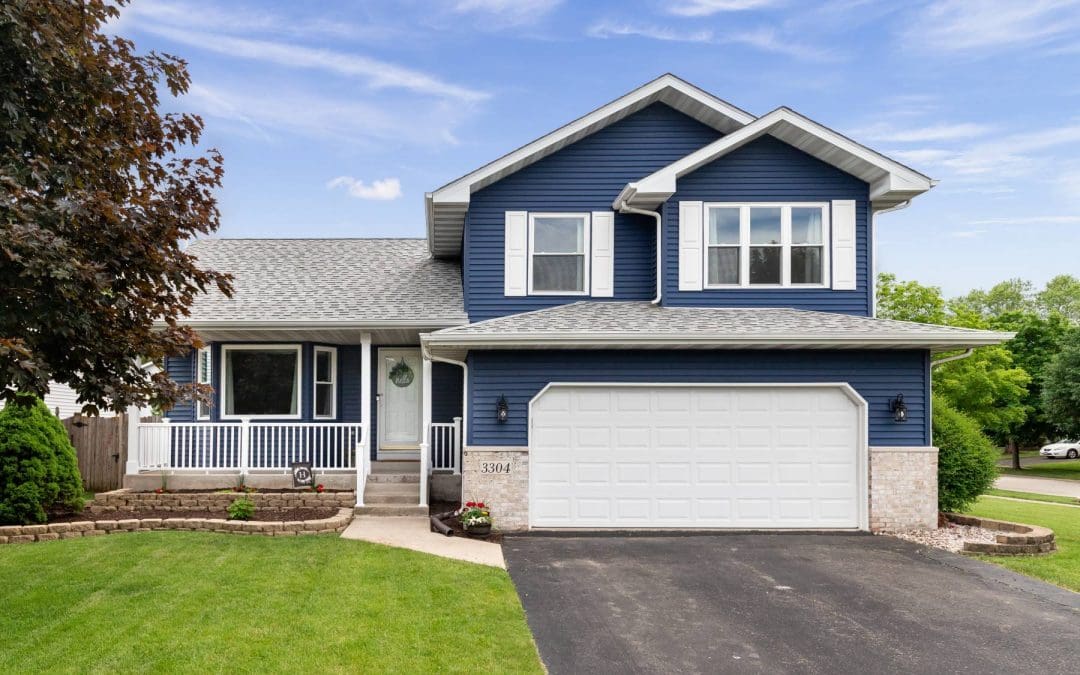
Curb appeal is another powerful area to target. Exterior paint, updated entry doors, and simple landscaping improvements influence first impressions more than many homeowners realize. These projects tend to deliver strong visual impact while remaining relatively straightforward.
Creating Realistic Timelines
One of the most common challenges with home improvement goals is taking on too much at once. A realistic timeline helps prevent burnout and unfinished projects. Breaking larger goals into phases makes progress easier to track and reduces stress.
Seasonality also matters. Exterior projects may be better suited for warmer months, while interior updates can be tackled year-round. Planning with the calendar in mind allows homeowners to work with, rather than against, the natural rhythm of the year.
Keeping Home Improvement Goals Flexible as Needs Change
Life rarely stays static, and home improvement plans should allow room to adapt. Unexpected repairs, changing family needs, or new priorities can shift focus quickly. Flexibility ensures that goals remain helpful instead of becoming a source of pressure.
Revisiting goals midyear is a healthy habit. Some projects may move up in priority, while others can wait. The most successful home improvement goals are the ones that evolve alongside the people living in the home.
FAQs About Home Improvement Goals
- How many home improvement goals should be set for one year?
Most homeowners find success by choosing three to five meaningful goals. This balance allows for progress without feeling overwhelmed or stretched too thin financially. - Should home improvement goals focus more on value or comfort?
The best goals usually blend both. Comfort-driven projects improve daily life, while value-focused upgrades protect long-term investment. Priorities often depend on how long the homeowner plans to stay. - Is it better to do one large project or several small ones?
That depends on budget and lifestyle. One large project can be transformative, but several smaller updates often provide faster wins and visible progress throughout the year. - When should professionals be involved in home improvement goals?
Projects involving structural changes, electrical work, plumbing, or major systems are best handled by professionals. Knowing when to ask for help protects both safety and investment. - How often should home improvement goals be revisited?
Reviewing goals every few months helps keep plans realistic and aligned with current needs, budgets, and timelines.
Assure Inspections Inc. offers home inspections in the Chicago area. Contact us to request an appointment.
Recent Comments