Expert Home Inspection Services in New Lenox, IL
At Assure Inspections Inc., we provide comprehensive home inspection services to help buyers, sellers, and homeowners make informed decisions. Our certified inspectors utilize advanced technology to deliver detailed evaluations, ensuring your property is safe and sound.
Discover Assure Inspections Inc. - Your Trusted Home Inspectors
Assure Inspections Inc. offers expert home inspection services in New Lenox, IL, focusing on quality and customer satisfaction.
Our Mission
At Assure Inspections Inc., our mission is straightforward: we aim to deliver thorough, unbiased home inspections that empower our clients to make confident choices. We believe in transparency and honesty, ensuring our clients know every detail about their prospective homes.
Our inspectors use advanced tools and proven methods to uncover hidden issues, providing easy-to-understand reports that include actionable recommendations. We want our clients to feel supported and informed throughout their home buying or selling journey.
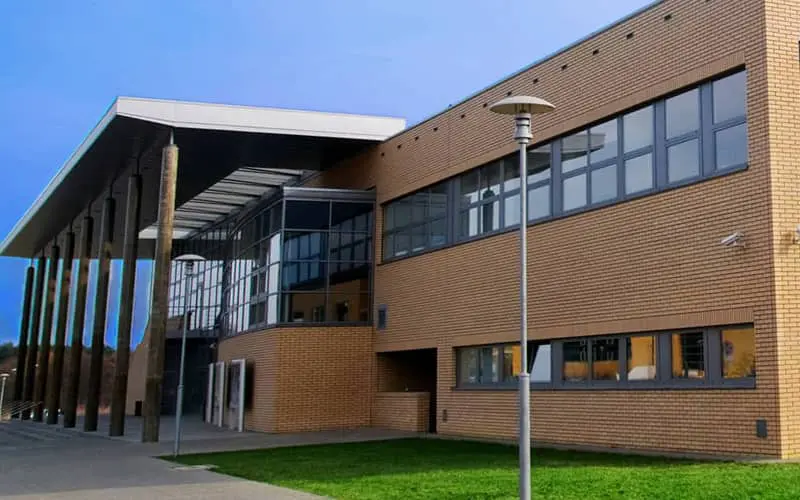
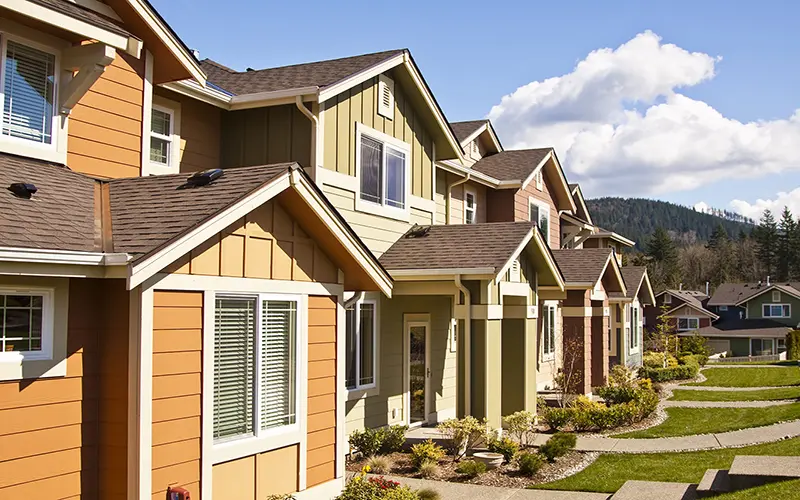
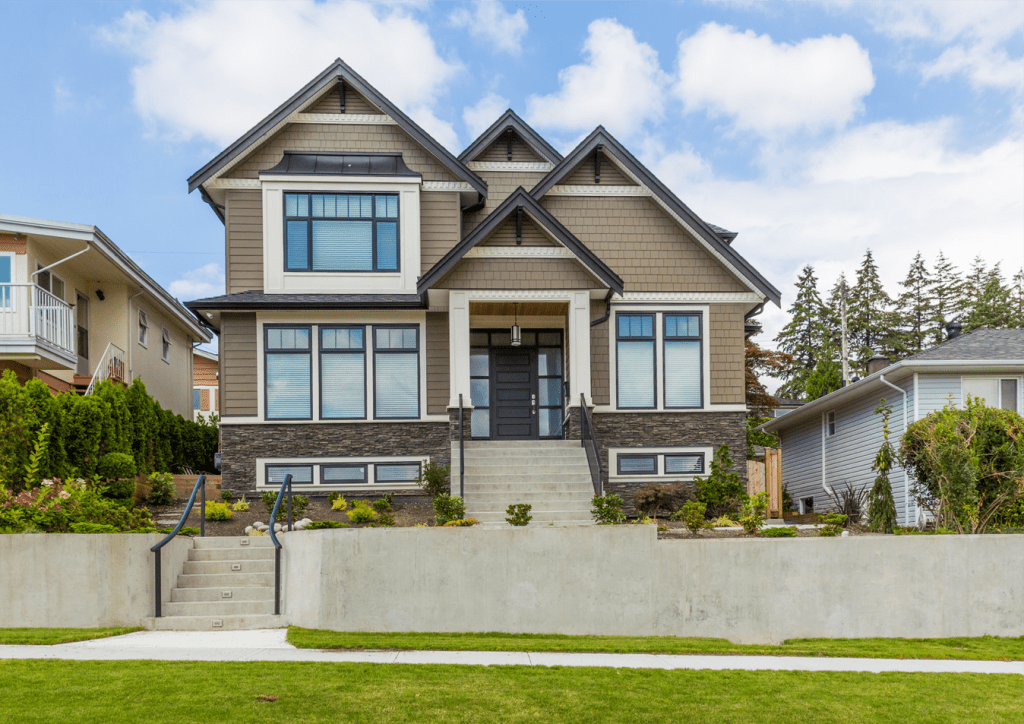
Our Specialized Services
At Assure Inspections Inc., we provide professional home inspection services that help buyers, sellers, and homeowners make informed decisions. Our certified inspectors deliver thorough evaluations with actionable insights.
Roofing System Inspection
Thorough evaluations of your roofing system, identifying potential issues.
Structural Components Inspection
We thoroughly assess the structural components of your home, ensuring safety and stability.
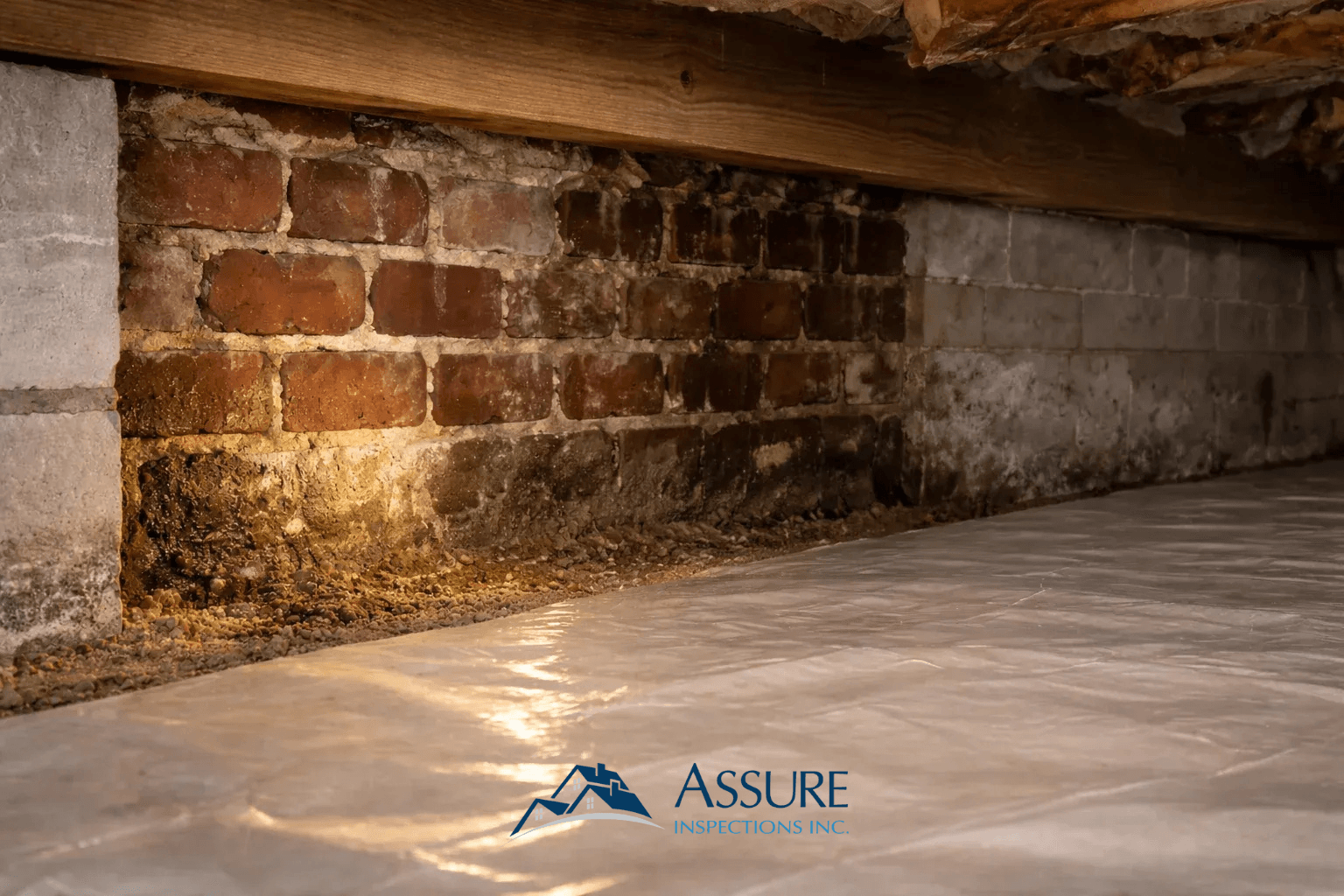
Foundation & Crawl Space Inspections
Thorough evaluations of foundation and crawl space conditions to identify potential issues.
Meet Our Experienced Home Inspection Team
At Assure Inspections Inc., our team of certified home inspectors combines years of experience with a commitment to excellence. We ensure that every inspection is thorough and informative.
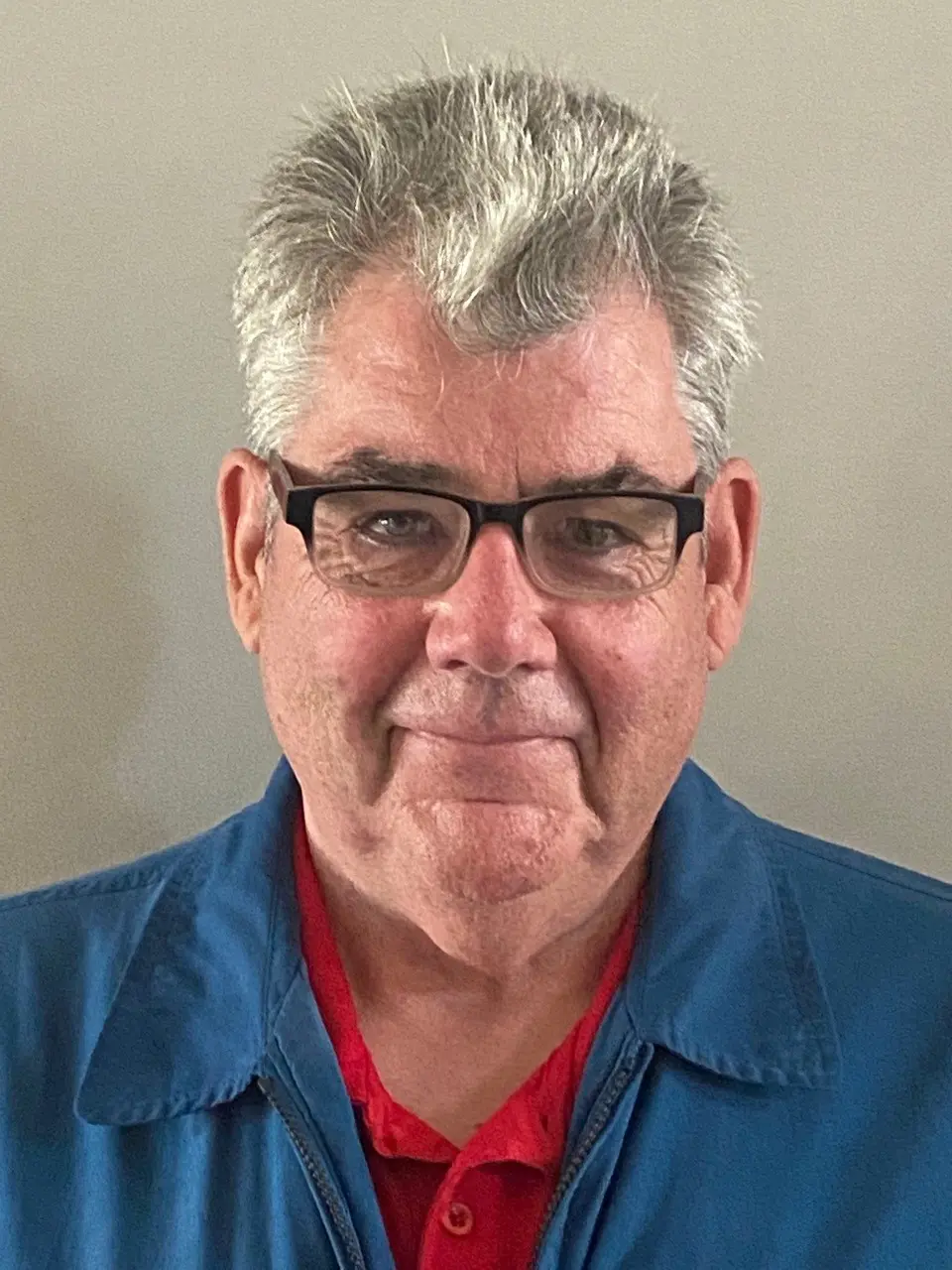
Bob McNamara
Stationary Engineer & Licensed Home Inspector

Philip Nwosisi
What Our Customers Are Saying
Discover authentic testimonials from satisfied customers who trust Assure Inspections. Our clients share their experiences and highlight the quality of our home inspection services in New Lenox, IL.
Jason Drumm did a whole house inspection on a home i was purchasing. He arrived before I got there. He checked over 2500 square feet of home from top to bottom. He was thorough and meticulous. He spent about 3 hours inspecting every detail. In the end, he walked us around the home pointing out serious concerns. I feel he did a wonderful job and I was very satisfied with it. I eiuld recommend Assure Inspections to my friends and family.

November 2025
Had radon mitigated with Assure Inspection Inc.- excellent service , they responded right away, explained everything very clearly and answered all our questions . mitigation job was completed to our satisfaction, sump pit was also covered and Their price was far more reasonable than other companies. They are very reputable and were highly recommended by precision environmental . They were very accommodating and squeezed us in last minute since our radon levels were very high and I wasn’t feeling well. Would highly recommend them , give them 10 stars if we could and hire them again in a heartbeat. Thank you so much for taking care of radon in our home!!

October 2025
Used for presale radon mitigation. They were professional, timely and worked out a good area for placement taking all into consideration. Appreciate the good service and I will use again for my flips

December 2025
Phil was great, open to questions and willing to explain every detail of the inspection. He was very thorough and comprehensively covered all systems and the physical condition of the condo. Highly recommended.

October 2025
Frequently Asked Questions
Connect with Assure Inspections Inc. in New Lenox, IL
Reach out to Assure Inspections Inc. for reliable home inspection services in New Lenox, IL. Our dedicated team is ready to assist you with all your inspection needs. Call us today!
Assure Inspections Inc.
Phone
(708) 692-7877