Exterior Home Check: What Inspectors Look For Outside Your House
Keeping your home safe and sound means taking a good look at the outside. Inspectors check all the visible parts of your home to catch problems early. This guide explains what they look for, why it matters, and what you can do about it. For anyone wanting a professional eye, our team at Assure Inspections Inc. offers expert exterior inspections with detailed notes and pictures.
We’ll break down the checklist to match what inspectors do in real life. You'll find clear explanations, practical steps, and examples of common issues like roof leaks and bad siding. We also mention when to call in a specialist and how cool gadgets like thermal cameras and drones make inspections better. Use this checklist for regular upkeep, getting ready to sell, or planning big repairs.
First, remember that catching issues early saves money and stress. Having a pro check your home every 3-5 years or after bad weather helps fix small problems before they get big. Whether you're near New Lenox, IL, or elsewhere, regular maintenance keeps your home in good shape and worth more.
Roof Check
Shingles and Roofing Stuff
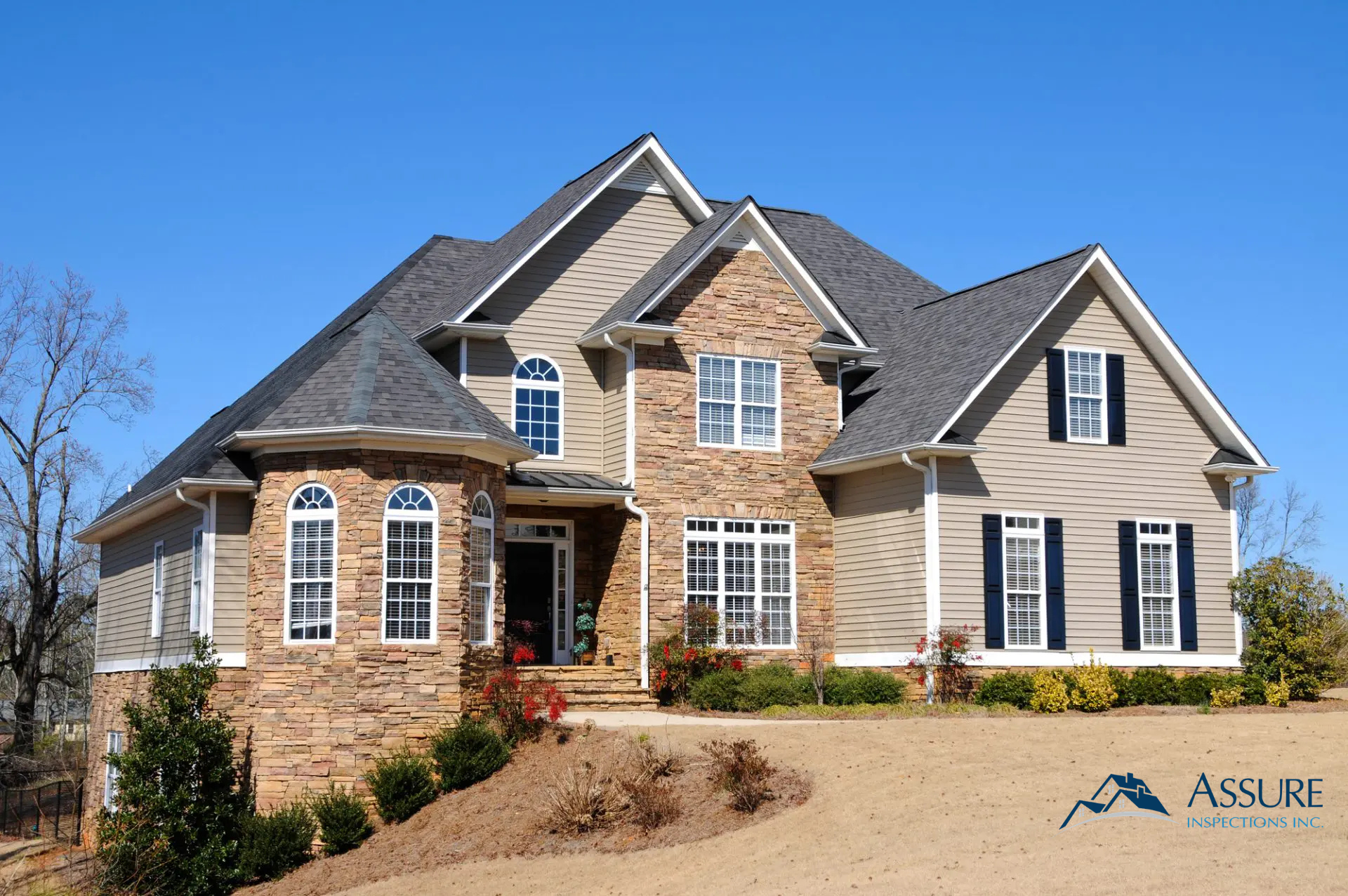
Inspectors start with a look at the roof for missing or damaged shingles. They also check for signs like granule loss at gutters and sagging rooflines, which can mean trouble underneath. Good shingles are key for keeping water and weather out, so finding wear early is important to prevent leaks and damage inside. If there’s a lot of shingle trouble, calling a roofing expert is usually the next step, and getting a few quotes helps ensure fair pricing.
Flashing, Valleys, and Roof Openings
Flashing around chimneys, skylights, and vents is a common spot for leaks, so it gets a close look. Inspectors check that it’s in good shape and not rusted or missing. Roof valleys and details around openings need to handle runoff properly, especially in areas with heavy rain or snow. In places with cold winters like New Lenox, making sure flashing is right and having enough attic insulation helps avoid ice dams.
Inside Roof Issues
Problems on the roof often show up inside as stains or moisture in the attic. Inspectors look inside attics for dampness, mold, or daylight coming through, which means the roof isn’t doing its job. If these signs match outside damage, fixing the roof quickly helps avoid more water damage and mold.
Siding and Walls
Material Condition
Siding protects your home from the weather, so it’s checked for cracks, warping, or loose panels. Depending on the type of vinyl, wood, stucco, or brick, inspectors look for specific issues like paint chalking or mortar decay. Keeping siding in good shape stops water from getting in and causing bigger problems inside.
Moisture and Mold
If there are gaps in siding or missing flashing, water can get in and cause mold or rot. Inspectors look for stains or soft spots that signal moisture issues. Mold affects air quality, so follow-up testing or cleanup might be needed. Fixing the source of moisture, like bad grading or leaks, is key to stopping mold.
Paint and Finish
Paint protects siding from the elements, so peeling or cracking paint is a warning sign. Inspectors suggest fixing these spots to keep materials safe. For older homes or special siding, using the right paint and prep is important for long-lasting protection.
Windows and Doors
Frames and Seals
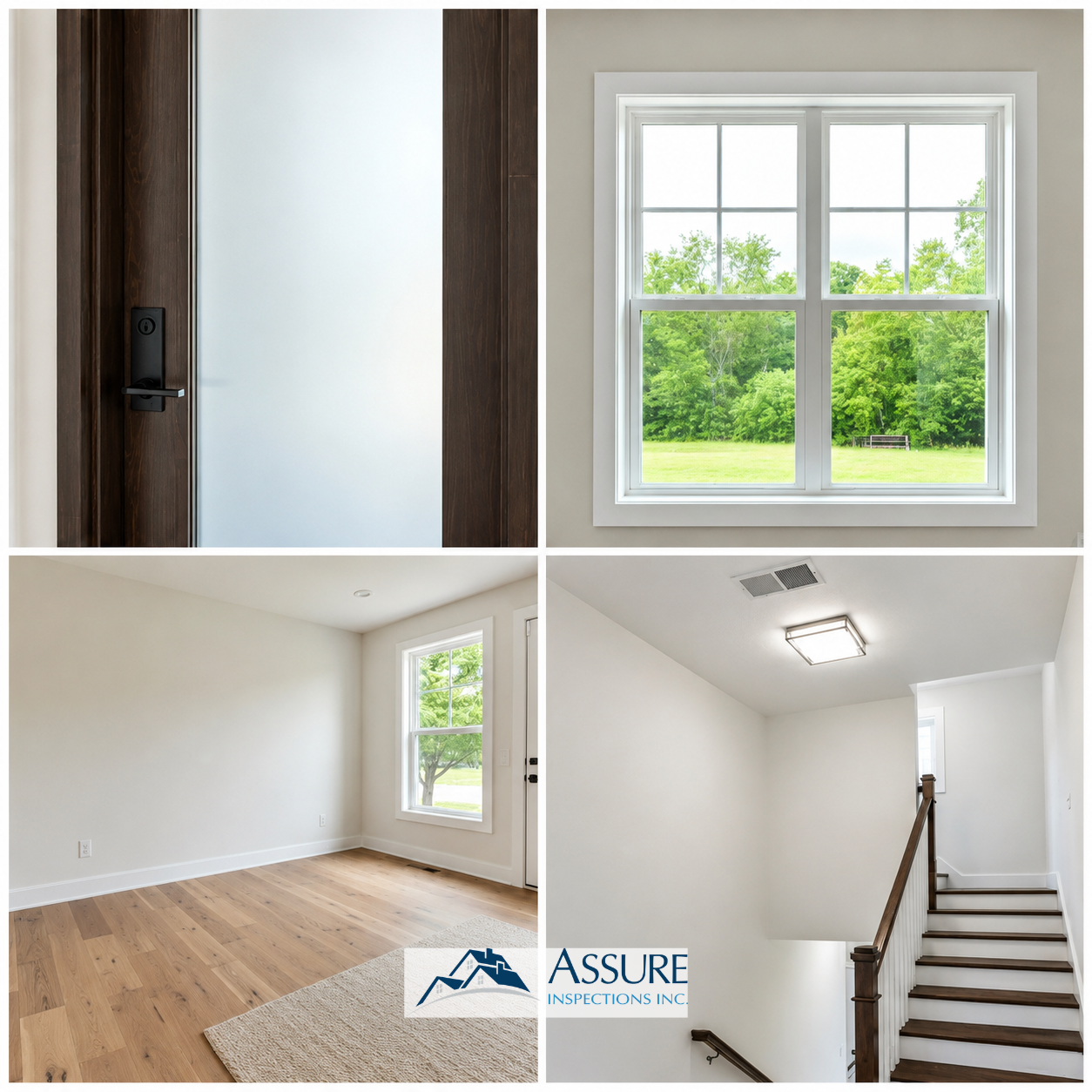
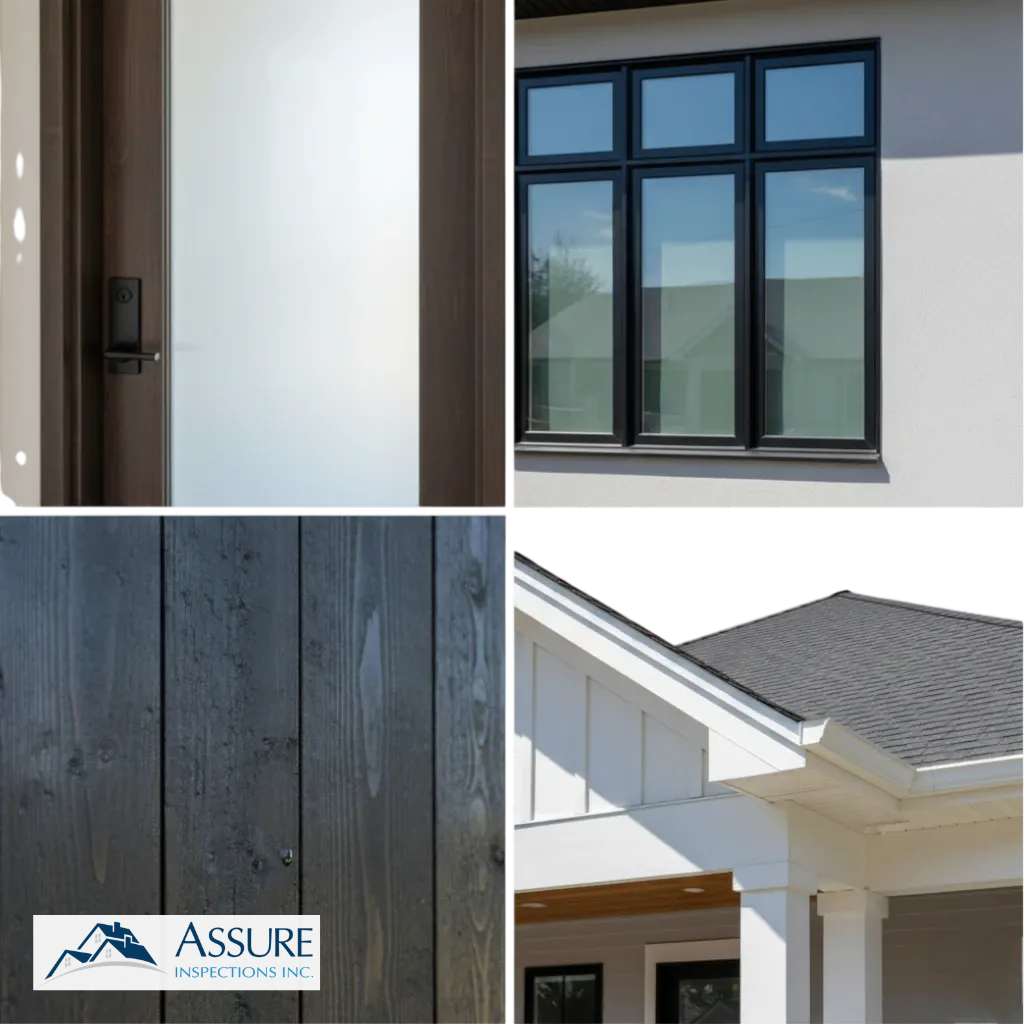
Windows and doors should fit well and have good seals to keep air and water out. Inspectors check the weatherstripping and caulking for gaps or failure, which can lead to drafts and higher energy bills. Simple fixes like adding new caulking can improve energy efficiency.
Glass and Energy
Inspectors check glass panes for cracks and signs of moisture between panes, which lowers their insulating power. Screens and hardware are also checked for function. Better-performing windows, like those with low-e coatings, can save on energy costs, and homeowners can look into rebates for certified products through ENERGY STAR.
Operation and Safety
Windows and doors should open, close, and lock easily. Inspectors check that they work well and have proper drainage to keep water out. Security features like locks are noted, especially if safety is a priority. If drainage is poor, solutions like regrading or adding a drip cap are recommended.
Foundation and Structure
Foundation Cracks
Inspectors look for cracks and signs of movement in the foundation that might affect the home’s stability. Small cracks are normal, but bigger ones need a closer look by a structural engineer. Fixing foundation issues early can stop bigger problems later on.
Grading and Drainage
Good grading directs water away from the foundation. Inspectors check the slope and downspouts to make sure water isn’t pooling near the house. If grading is bad, fixes like regrading or adding drainage systems are suggested to keep the foundation dry. For more on flood planning, check out FEMA’s resources.
Basements and Crawl Spaces
Inspectors pay attention to basements for water signs and check vapor barriers. They look for moisture issues and recommend fixes if needed. Our foundation & crawl space inspections focus on these areas to offer repair advice.
Gutters and Drainage
Gutter Condition
Gutters need to be clean and sloped correctly to move water away from the house. Inspectors check for blockages that can lead to overflow and damage. Regular cleaning and adding gutter guards can help prevent these issues.
Downspouts
Downspouts should guide water away from the foundation. Inspectors make sure they’re placed properly to avoid water pooling around the house. If not, re-routing may be needed to protect the structure and landscape.
Water Management Tips
Good water management includes roof drainage, grading, and landscaping. Inspectors suggest easy fixes like extending downspouts or adding a positive grade to help protect your home. For serious drainage problems, hiring a pro might be necessary. Our grading & drainage inspections pinpoint issues and suggest fixes.
Decks and Porches
Structural Safety
Inspectors check decks and porches for secure attachment and good condition, as failures here can be dangerous. They look for rusted bolts or signs of rot. Fixing unsafe conditions is a priority.
Railings and Stairs
Inspectors make sure railings and stairs are safe, especially in older homes. Loose railings or uneven steps need fixing to prevent falls. Adding lighting and secure handrails is often recommended.
Maintenance Tips
Regular maintenance, like sealing wood and replacing decayed parts, extends deck life. Inspectors give advice on how often to maintain based on climate and exposure. Following a schedule helps prevent small issues from becoming big repairs.
Driveways and Walkways
Surface Condition
Inspectors look for cracks and issues in driveways and walkways that can cause trips or reflect deeper problems. Fixing these can mean simple patching or more extensive repairs. Our driveway inspections check both safety and stability.
Drainage and Edges
Proper drainage keeps water from pooling near foundations. Inspectors check the slope and edge support. Fixing drainage issues can extend the life of paved areas and prevent damage.
Repair Choices
Depending on the damage, repairs range from sealing cracks to full replacement. Inspectors provide cost estimates and urgency levels. Getting contractor quotes and checking warranties helps you choose the best solution.
Chimney and Fireplace
Chimney Condition
Inspectors check chimneys for missing bricks or mortar issues. A bad chimney can be a safety risk, so fixing problems is important. If needed, specialists like masons are recommended for repairs.
Caps and Flashing
Chimney caps and flashing should keep water out. Inspectors make sure they’re in good shape. Fixing these elements can prevent bigger issues like leaks and rot.
Fire Safety
Chimneys should be clear of overhanging branches and other fire risks. Inspectors suggest trimming branches to reduce fire hazards. Proper clearances and devices like spark arrestors help keep things safe.
Landscaping and Pests
Tree and Shrub Care
Trees and shrubs too close to your house can cause problems like root damage or pest access. Inspectors recommend keeping a buffer and trimming branches. Big trees close to foundations might need an arborist’s check.
Pest Prevention
Gaps and vegetation near your home can invite pests. Inspectors look for issues that might let them in, like damaged vent screens. Fixing these helps keep pests out.
Erosion Control
Inspectors check for erosion that can harm foundations or sidewalks. Solutions like retaining walls or groundcovers can help. Good soil management reduces maintenance and keeps property value.
Inspection Tools
Thermal Imaging and Tools
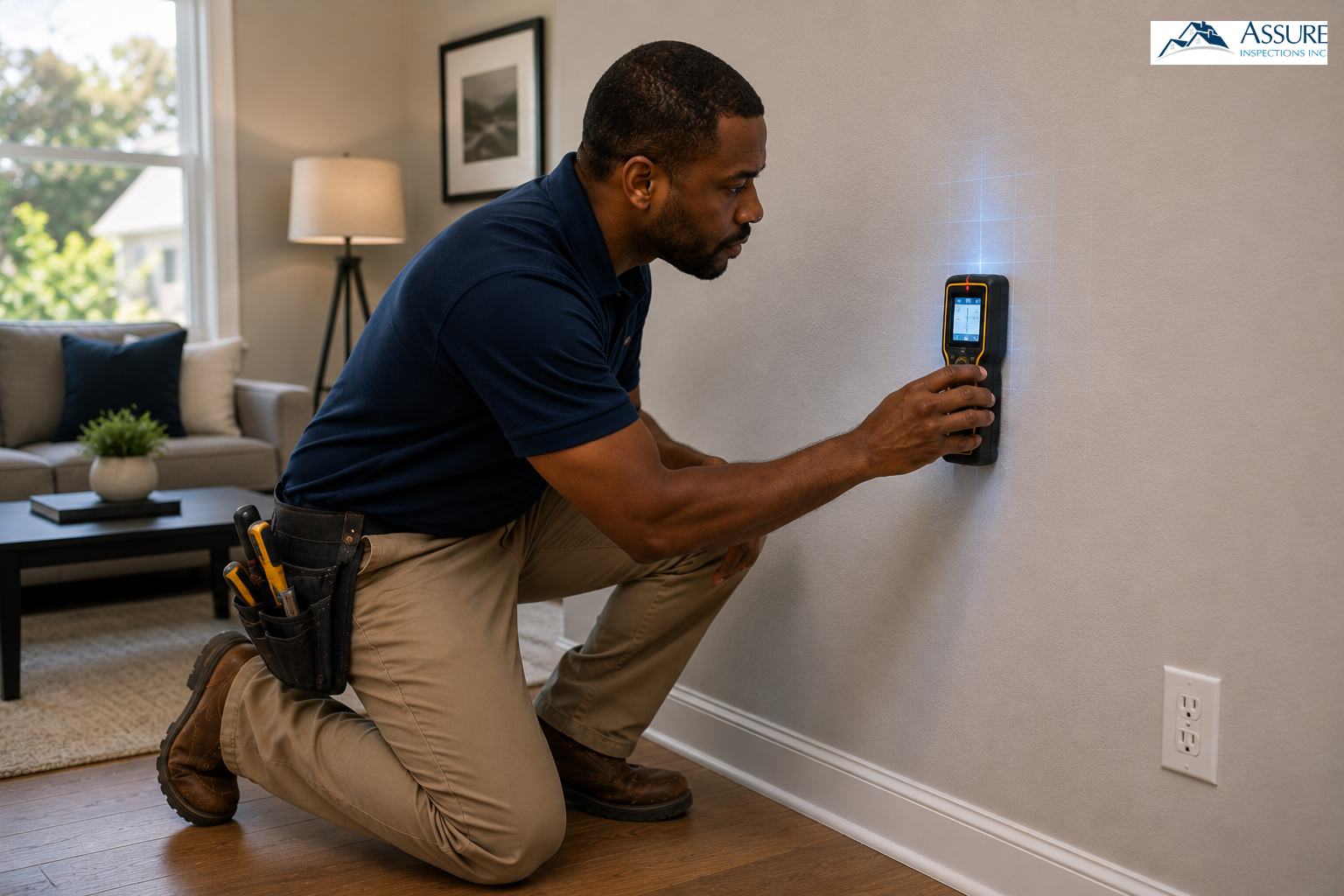
Inspectors use tools like thermal cameras to find hidden problems like moisture behind walls. These tools help pinpoint issues and reduce unnecessary probing. Ask if these are part of your inspection for thorough results.
Drone Inspections
Drones give a clear view of roofs and hard-to-reach spots, showing shingle wear and flashing issues without the risk of climbing. Drone photos complement other findings and help homeowners see what needs fixing.
Reports and Recommendations
Good inspection reports include clear language, photos, and repair suggestions. Inspectors should offer cost estimates and timelines to help plan fixes. For a detailed look at specific areas, like roofing system inspection, consider targeted services.
FAQ and Troubleshooting
How Often Should I Check My Home's Exterior?
Most experts say a full exterior check every 3-5 years is good, and definitely after major storms. Yearly tasks like gutter cleaning and checking seals are also helpful. If your home is older or in extreme weather areas, more frequent checks might be smart.
What Are Emergency Signs?
Look out for active roof leaks, sagging roofs, big foundation cracks, or standing water in basements. Any structural issues, like bowed walls or unstable decks, need immediate attention. If you see these, contact an inspector and the right contractor fast to avoid more damage.
What to Do After an Inspection?
Once you have an inspection report, tackle repairs by urgency and get quotes from licensed contractors. Keep records of the report and repairs for future sales or insurance. If you need help understanding the report or finding specialists, our team can assist with guidance and referrals.
Conclusion and Next Steps
A thorough exterior home check keeps your property safe and valuable by finding issues early. From roofs to siding, every part matters for your home’s durability. Regular checks help avoid surprise costs and safety issues. Whether buying, selling, or maintaining, a professional inspection gives you the info you need to decide confidently.
If you're in the New Lenox area and want a detailed look at your home’s exterior, Assure Inspections Inc. offers comprehensive services with clear reports. Schedule a full check or specialized reviews like roofing system inspection or foundation & crawl space inspections to address specific needs. Our certified inspectors use field experience and modern tools for solid recommendations to protect your investment.
Ready to safeguard your home? Contact Assure Inspections Inc. at (708) 692-7877 or email office@assurehomeinspector.com to set up an exterior inspection or custom package. Professional, reliable inspections help you avoid costly surprises and keep your property safe for years.
Related reading: For more on related topics, check our posts on hidden moisture and technology in inspections at Assure Inspections’ blog.