Buying a home is a thrilling step, but it’s also one of the biggest financial commitments you'll make. That’s why a thorough home inspection is crucial: it uncovers hidden problems affecting safety, maintenance, and your budget. A good inspection can save you from costly surprises, help you negotiate smartly, or even steer you away from a potential headache. If you're comparing services, understanding how a full structural components inspection and a complete exterior inspection work together is key to spotting risks early.
This guide breaks down common red flags found during home inspections, explains why they’re important, and shows you what to do next. We’ll share practical examples, industry insights, and a real-world case study to help you make confident decisions. Whether you’re buying in Illinois or elsewhere, this info can mean the difference between a reliable home purchase and inheriting massive repair bills. To see how inspections fit into the homebuying process, the Federal Trade Commission and the National Association of Home Builders provide helpful guidance on what to expect before you sign.
Why It’s Important to Pay Attention to Inspection Red Flags
Red Flags Are More Than Just Cosmetic
Some problems might seem minor at first glance, but red flags during an inspection often point to bigger system failures. A stain on the ceiling may suggest a leaking roof, while a sticky door could mean the foundation is shifting. These clues are crucial because they often reveal a pattern, not just a one-off issue. The goal of an inspection isn’t just to spot visible defects but to understand what those defects mean for the home’s condition and future costs.
Repair Costs Can Spiral
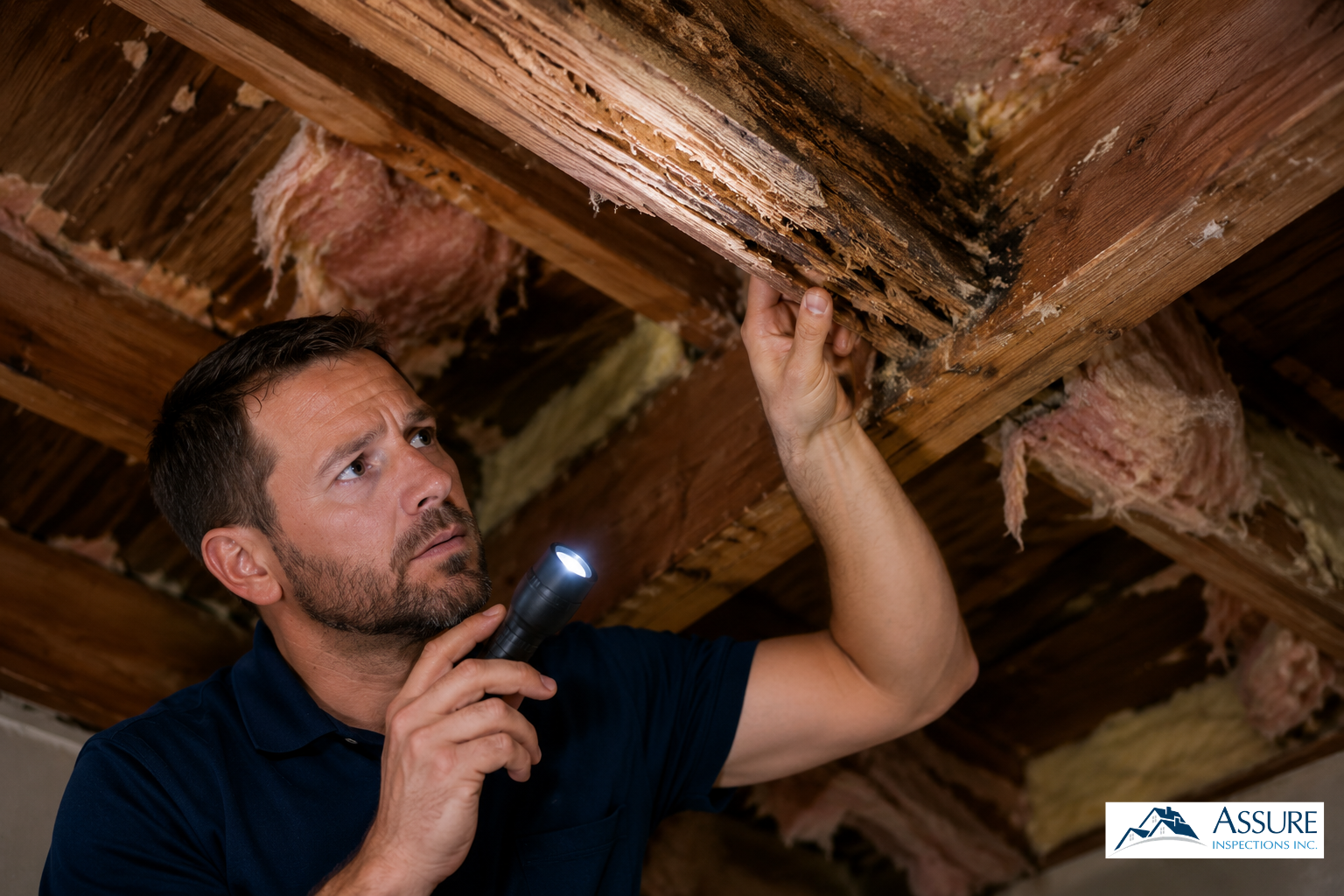
Inspection findings matter because repair costs can skyrocket quickly. A small roof leak can lead to structural rot, insulation damage, and mold if ignored. Similarly, an unchecked electrical issue could become a fire hazard, and drainage problems can harm basements and foundations. Buyers should consider not just the home’s price, but also the cost of ownership after buying. This is why a service like foundation and crawl space inspections can be a wise investment before closing.
Structural Problems: Serious Warning Signs
Foundation Cracks and Settlement
Structural issues are some of the most serious red flags in any inspection report. Large horizontal cracks, stair-step cracks in brick, sloping floors, and windows or doors that suddenly don’t work right can all indicate foundation settlement or movement. Some movement is normal over time, but wide or expanding cracks need immediate attention. According to the U.S. Geological Survey, structural movement and soil-related issues can significantly impact building stability depending on local conditions.
When inspectors spot structural stress, it’s usually not just a single room or wall that’s affected. It may impact framing, support beams, basement walls, or crawl space supports. Buyers should take recommendations for further evaluation seriously and consider specialized follow-up if needed. A detailed basement inspection or structural components inspection can help determine whether the issue is minor or requires major repairs.
What Structural Issues Mean for Buyers
Structural concerns can influence financing, insurance, and resale value. In some cases, a lender may require repairs before approving a loan, especially if visible damage suggests instability. Even when the home remains safe to occupy, buyers may need to budget for engineering reports, foundation stabilization, or drainage correction. So, don’t dismiss a single crack without context. Pair the inspection report with expert analysis and a realistic repair estimate.
Water Damage and Moisture Problems
Why Moisture Is Such a Costly Red Flag
Water intrusion is one of the most common and expensive issues found during a home inspection. Moisture can ruin drywall, soften framing, weaken subfloors, and create ideal conditions for mold growth. Common warning signs include ceiling stains, peeling paint, warped trim, musty odors, or damp basement corners. The U.S. Environmental Protection Agency explains that mold exposure and moisture control are closely linked, which is why inspectors pay close attention to leaks and humidity issues.
In many homes, moisture problems come from more than one source. Roof leaks, poor grading, clogged gutters, failing caulk, plumbing leaks, and high indoor humidity can all contribute. A thoughtful inspector looks beyond the stain itself and tries to identify the source. If moisture is entering through the exterior, a combined look at grading and drainage inspections and roofing system inspection services may provide the clearest picture of risk.
Basement and Crawl Space Concerns
Basements and crawl spaces are especially vulnerable to hidden moisture because problems can develop slowly and go unnoticed. Small leaks may not seem urgent, but over time, they can lead to mold, wood rot, pest activity, and air quality concerns throughout the home. If an inspection report mentions standing water, efflorescence, damp insulation, or visible fungal growth, buyers should treat it as a meaningful warning. A targeted foundation and crawl space inspection often reveals whether the home needs sealing, drainage improvements, or more intensive repair.
Electrical System Red Flags Affecting Safety
Outdated Wiring and Panels
Electrical systems are another area where inspection findings can quickly become serious. Older homes may contain knob-and-tube wiring, aluminum branch wiring, older Federal Pacific panels, or undersized service that no longer meets modern household demands. These conditions don’t always mean the home is unsafe today, but they do increase risks of overheating, shock hazards, and fire. The National Fire Protection Association emphasizes maintaining safe electrical systems and addressing hazards promptly.
Inspectors also look for practical safety issues like missing GFCI protection in kitchens, bathrooms, garages, and exterior outlets. Loose outlets, exposed conductors, overloaded extension cords, and scorch marks around receptacles are all signs that the system needs attention. Because electrical problems are sometimes hidden behind walls, a careful review of outlets, panels, and visible wiring is critical. For a deeper evaluation, consider electrical system inspections that focus on safety, function, and visible code-related concerns.
How Electrical Issues Affect Negotiation
Electrical red flags often give buyers leverage in negotiations because fixing them may require licensed professionals and permits. Depending on the extent of the problem, buyers may ask for repairs, a price reduction, or a credit at closing. Sometimes, a small issue is easy to fix, but older homes can show a pattern of deferred maintenance. The key is to find out if the problem is isolated or part of a larger, system-wide concern.
Roof Damage and Exterior Wear
Signs the Roof May Be Nearing Its End
The roof is one of the most important parts of any home because it protects everything below from the weather. Missing shingles, curling edges, sagging areas, granule loss, and visible water stains in the attic are all warning signs that shouldn’t be ignored. Roofing issues may start small, but once water enters the structure, repairs often become much pricier. A thorough roofing system inspection helps determine whether the home needs repair, replacement, or ongoing monitoring.
In regions with seasonal weather changes, roof wear can happen faster than many buyers expect. Temperature swings, ice, wind, and heavy precipitation all contribute to deterioration over time. Even if a roof looks okay from the street, an inspector may find flashing failures, soft spots, or signs of hidden leakage. The earlier these issues are caught, the better the buyer’s options tend to be.
Why Exterior Clues Matter
Roof problems often show up in other parts of the home, including soffits, siding, attic insulation, and upper-level ceilings. That’s why exterior clues matter so much during a home inspection. A full review of siding, windows, trim, and penetrations around the house can reveal where water is getting in and whether repairs have been neglected. For this reason, pairing the roof review with an exterior inspection can provide a much more complete understanding of a home’s condition.
Plumbing Problems Leading to Big Repairs
Leaks, Old Pipes, and Poor Water Pressure
Plumbing issues may start as minor annoyances, but they can become expensive quickly if left unresolved. Common red flags include dripping fixtures, discolored water, slow drains, corroded pipes, and water pressure that’s either too low or inconsistent. These symptoms may point to aging supply lines, hidden leaks, or blockages within the system. A professional plumbing system inspection can help identify visible concerns before they turn into major water damage.
Older homes may still contain galvanized supply lines, outdated fixtures, or previous repairs that weren’t done correctly. Sometimes, a buyer may inherit repeated plumbing leaks, poor drainage, or a failing water heater signaling broader system wear. Because plumbing failures can affect floors, walls, cabinets, and mechanical systems, inspectors pay special attention to visible moisture, rust, and drainage performance. This information is useful not only for buying decisions but also for future maintenance planning.
Hidden Plumbing Problems in Kitchens and Bathrooms
Kitchens and bathrooms often show the first signs of plumbing trouble because they use the most water. Loose sinks, slow tubs, soft flooring, and stains under cabinets may suggest hidden leaks. If a buyer sees signs of repeated patching around plumbing fixtures, that’s often a clue that the issue has been ongoing. Repairing visible damage is important, but tracing the source of the leak truly protects the home from future problems.
HVAC Problems and Indoor Comfort Issues
Equipment Age and Performance Matter
Heating and cooling systems often get overlooked until they fail, but inspectors look closely at visible signs of wear and poor performance. Uneven temperatures, short cycling, unusual noises, rust, and weak airflow may all indicate a system nearing the end of its life. A home with an inefficient HVAC system can be uncomfortable to live in and costly to operate. That’s why a heating system inspection can be valuable even if the equipment seems to work during a quick walkthrough.
Many buyers focus on the age of the furnace or air conditioning unit, but age alone isn’t the whole story. Maintenance history, installation quality, and duct condition all influence how well the system performs. A technically operational unit may still need repair or replacement soon if it struggles under normal demand. Inspectors help buyers understand whether the system is functioning safely and whether major expenses are likely in the near future.
Energy Costs and Comfort Can Suffer
HVAC problems don’t just affect comfort; they also affect monthly utility bills. Poor insulation, duct leaks, dirty filters, or an aging furnace can all raise operating costs over time. When buyers see inconsistent heating or cooling, it often means the system is working harder than it should. If the home also has attic ventilation issues, a broader check, like attic, insulation, and ventilation inspection, can help explain why the home feels drafty or inefficient.
Pest Activity and Environmental Hazards
What Pest Evidence Can Reveal
Termites, rodents, carpenter ants, and other pests can cause both structural and sanitation problems. Signs like droppings, chewed materials, nests, or damaged wood should never be ignored. In some homes, pests are just a nuisance, but in others, they signal moisture, entry points, or hidden damage within walls and crawl spaces. Pest activity often goes hand in hand with other issues like poor sealing, water intrusion, or neglected maintenance.
Environmental hazards are just as important because they affect health and remediation costs. Lead paint, asbestos, and radon are among the most discussed concerns in older homes. The Centers for Disease Control and Prevention notes that radon is a serious indoor air quality risk, while lead-based paint and asbestos may require specialized handling. Buyers should ask whether these hazards are likely in the age and type of home they’re considering.
When Specialized Testing Makes Sense
Not every home needs every type of environmental test, but certain findings may warrant additional evaluation. If the home has older finishes, a known pest history, or visible damage around wood framing, buyers may want to go beyond the standard inspection. In some cases, follow-up testing or remediation quotes are the only way to understand the actual cost. A good inspector will explain the difference between visible concerns and areas that require licensed specialists.
What to Do If the Inspection Finds Multiple Problems
Prioritize by Safety and Cost
It can feel overwhelming when an inspection report contains several red flags, but not all issues carry the same weight. Buyers should first focus on safety hazards, then structural concerns, then water intrusion, and finally system upgrades or cosmetic repairs. This order helps prevent panic and creates a logical plan for decision-making. If you’re unsure where to begin, it often helps to ask which items could lead to the greatest long-term expense if ignored.
A strong report should separate minor maintenance items from major defects, but buyers still need to think critically about the big picture. One cracked tile is not the same as a failing foundation wall, and a small plumbing drip is not the same as active basement flooding. When a report raises multiple concerns, additional specialist opinions may be the most practical next step. This is especially true when the findings affect financing or closing timelines.
Negotiate Strategically
Inspection findings often create room for negotiation, especially when repairs are expensive or urgent. Buyers may ask for seller repairs, closing credits, or a price reduction based on the severity of the findings. A well-informed buyer’s agent can help frame the request in a way that reflects real repair costs instead of guesswork. If you want to understand how report findings can impact negotiation, this article from EffectiveAgents explains how critical and cosmetic issues are often treated differently.
Real-World Example: A Costly Basement Surprise
How One Inspection Changed the Deal
In a recent New Lenox-area inspection, a buyer discovered foundation cracks and signs of water intrusion in the basement. At first glance, the house looked well-maintained, but the inspection revealed more serious concerns below the surface. The estimated repair total exceeded $50,000 once drainage, structural stabilization, and interior remediation were added together. Without the inspection, the buyer would have had little chance to estimate the true cost of ownership.
This type of case is not unusual. The 2023 American Housing Survey reported by Fullview Digital noted that nearly one in six households reported repair needs in the two most expensive categories: structural issues and leaks or mold. That statistic highlights why inspection red flags deserve serious attention. A home can look beautiful on the surface while hiding major expenses underneath.
How the Buyer Used the Report
Instead of abandoning the purchase immediately, the buyer used the report to negotiate a substantial price reduction. They also requested additional documentation from specialists to better understand the scope of the repairs. In the end, the decision depended on budget, risk tolerance, and long-term plans for the property. This is the real value of a strong inspection: it gives buyers options backed by facts rather than speculation.
How to Respond to Red Flags Before You Close
Ask for Clarification and Documentation
If your inspection report includes concerns, ask the inspector to explain what is urgent, what is recommended, and what can be monitored. Not every issue requires immediate repair, and some findings may only need routine maintenance. Requesting photos, notes, and repair prioritization helps you make sense of the report and discuss next steps with confidence. Clear documentation also helps when you’re comparing bids from contractors.
Get Specialist Opinions When Needed
Some issues are best evaluated by licensed specialists rather than a general inspection alone. Structural movement may require an engineer, electrical red flags may require an electrician, and moisture problems may call for a drainage or waterproofing expert. When a report points to a deeper issue, a more focused inspection can prevent you from underestimating the repair cost. If you’re buying in a market with older housing stock, this step can be especially important.
Use Inspection Findings to Protect Your Investment
For buyers, the inspection is not just a pass-or-fail event. It’s a decision-making tool that helps you protect your money, safety, and peace of mind. Whether you’re considering a new purchase or reviewing a home you already own, a thorough inspection gives you a clear roadmap for what to fix first. In a market like New Lenox, where some homes may have older systems, strategic inspections can make a major difference in avoiding surprises later.
Conclusion: Know the Red Flags, Buy With Confidence
The biggest red flags found during home inspections usually fall into a few key categories: structural problems, moisture intrusion, electrical hazards, roof damage, plumbing failures, HVAC issues, pests, and environmental risks. While each concern has its own cause and cost, they all share one thing in common: they can affect safety, livability, and long-term value. The earlier you identify them, the more control you have over the buying process.
If you’re preparing to buy a home, don’t treat the inspection as a formality. Treat it as an essential step that protects your investment and gives you leverage. A trusted inspection team can help you understand the report, prioritize concerns, and move forward with clarity. To learn more or schedule a professional evaluation, explore our interior inspections, attic and ventilation services, or contact Assure Inspections Inc. at our New Lenox office for guidance that puts your interests first.
Ready to make a smarter homebuying decision? Partner with Assure Inspections Inc. for clear reporting, practical recommendations, and the confidence you need before you close.