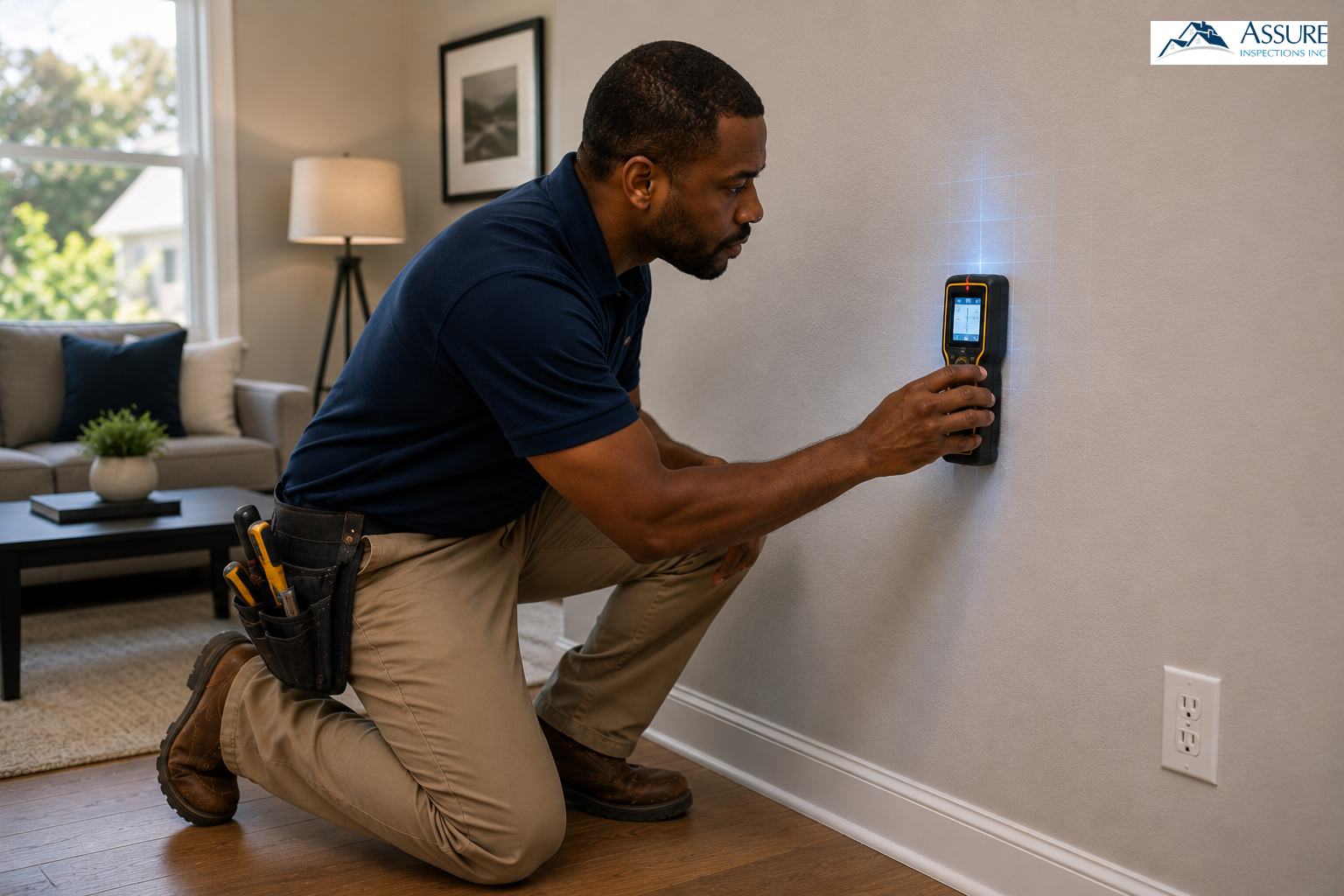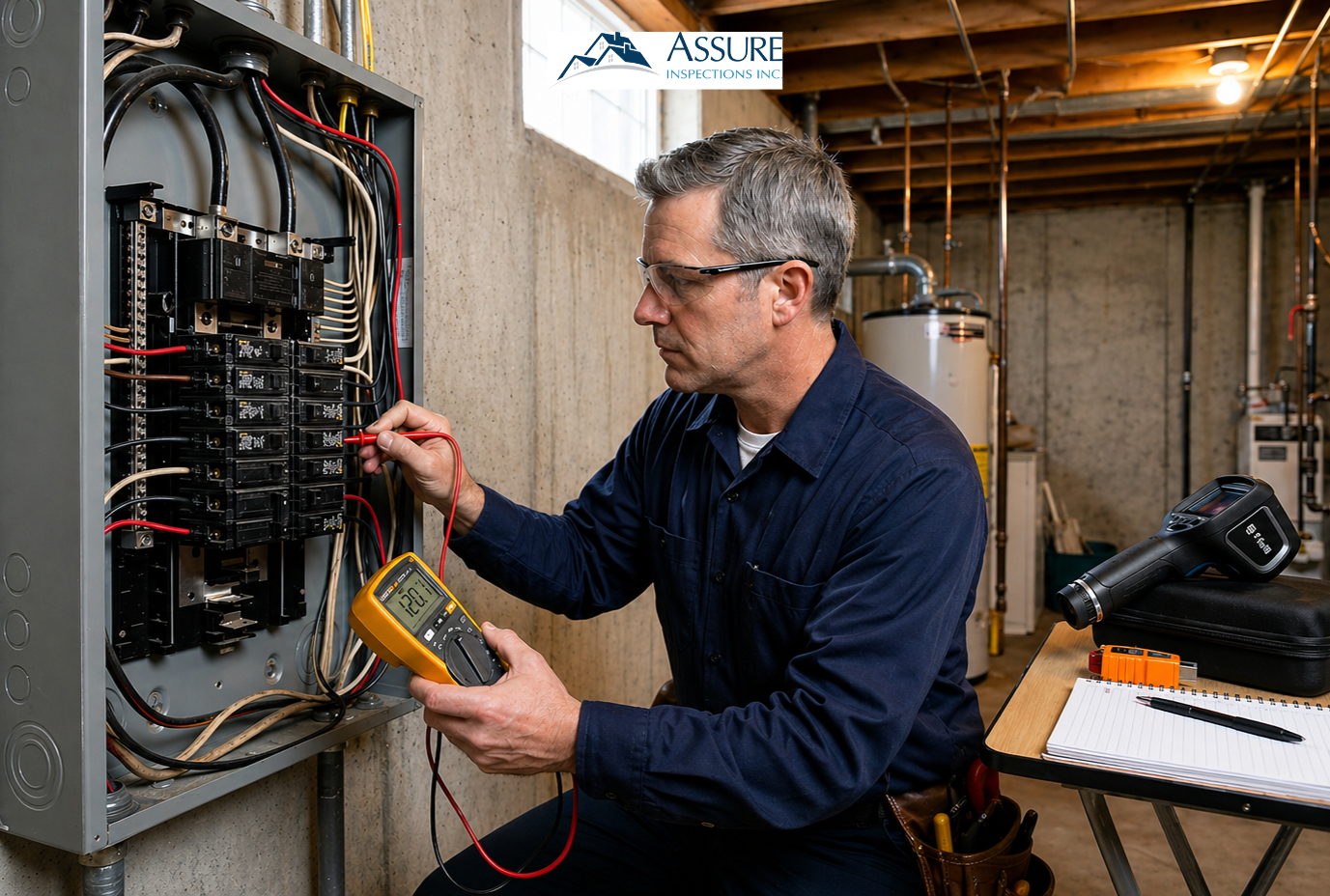
When buyers, sellers, and homeowners wonder what a home inspection covers, the electrical system is a big part of the answer. A thorough electrical check can spot safety risks, outdated parts, overloaded circuits, and code issues often missed during a quick walkthrough. Whether you're buying or just protecting your investment, knowing how inspectors check electrical systems can help you make smarter choices and avoid costly surprises.
At Assure Inspections Inc., checking the electrical system is a key part of a full home review, and it often ties into other systems like the structural components inspection and the interior inspection. That's important because electrical problems rarely stand alone; they can impact comfort, safety, and the home's long-term condition. In this guide, we'll walk through what inspectors look for, why it matters, what today's tools can detect, and how local rules in New Lenox, IL, shape the process.
Electrical issues are more than just maintenance headaches. According to the U.S. Fire Administration, electrical failures are a major cause of home fires, and the risk increases when wiring, panels, or outlets are old or poorly installed. You can check out basic home electrical safety tips from the Consumer Product Safety Commission, which explains common hazards and prevention tips. The takeaway? Electrical system inspections aren't just about following the rules; they're about keeping people and homes safe.
Why Electrical System Evaluations Matter in a Home Inspection
Safety is the priority.
Electricity is essential, but hidden defects can create shock and fire hazards. Inspectors look for visible signs of overheating, shoddy workmanship, or overloads. A loose connection, damaged receptacle, or outdated panel might seem minor, but these issues can signal bigger safety risks that need quick attention.
Function and reliability impact daily living
A home may look great, but if breakers trip constantly or outlets don't work right, the property might not function as expected. Buyers often focus on looks, but a working electrical system is part of the home's real value. That's why many buyers pair a general inspection with a dedicated electrical system inspection when they want a closer look at visible components, panel condition, and outlet performance.
Compliance boosts long-term confidence.
Inspectors don't enforce codes, but they do check if visible conditions meet modern safety standards. In many homes, especially older ones, past repairs might not follow today's best practices. Spotting these issues early gives buyers negotiation power and gives homeowners a clear repair or upgrade plan.
What Inspectors Look at During an Electrical Inspection
Service entrance and main panel condition
The electrical panel is the system's heart. Inspectors check the panel cover, breaker labels, breaker size, obvious corrosion, heat damage, and signs of amateur modifications. They also look at the panel's overall accessibility and installation quality. A panel that's crowded, rusted, or scorched may signal deeper issues that need a licensed electrician's review.
Wiring type, age, and visible condition
Inspectors review visible wiring in accessible areas like the basement, attic, garage, and utility spaces. They may note outdated wiring, exposed conductors, loose junction boxes, or unsupported cables. In older homes, knob-and-tube or other outdated systems are a concern because they weren't designed for today's electrical loads. For homes with more age-related issues, a look at how home age affects inspection results can help buyers understand why older systems often need extra attention.
Outlets, switches, and visible safety devices
Inspectors test or observe a sample of outlets and switches, checking for proper installation and obvious damage. Ground-fault circuit interrupters and arc-fault protection are more important in modern homes, especially in kitchens, bathrooms, garages, and outdoor areas. Inspectors may also look for tamper-resistant receptacles in expected locations and note any outlet that's loose, discolored, or warm.
Grounding and bonding indicators
Grounding and bonding aren't always easy to see, but inspectors look for signs that the system is safely configured. Proper grounding reduces shock risk, while bonding stabilizes the electrical system. Missing or poor grounding can be serious, especially in homes with older wiring or renovations done without full electrical upgrades.
Modern Tools That Improve Inspection Accuracy
Thermal imaging for hidden heat patterns
One big trend in home inspections is using advanced diagnostic tools. Thermal imaging helps inspectors find abnormal heat patterns that might signal overloaded circuits, failing connections, or overheated devices. While thermal cameras don't replace electrical tests, they offer valuable clues not visible to the naked eye. This approach supports better reporting and informed next steps for the homeowner.
Digital cameras and documentation
High-resolution cameras and digital telephoto lenses let inspectors document panel labeling, wiring concerns, and hard-to-reach conditions more clearly. Good documentation is important because electrical findings are often technical, and photos help buyers, sellers, and contractors understand what was observed. Detailed reporting also makes it easier to compare whether repairs are done later.
Moisture and gas detection were needed.
Electrical issues can sometimes be connected with moisture, plumbing, or ventilation problems. Water intrusion near outlets or panels increases risk significantly, so inspectors may use moisture detection tools when there are visible signs of a leak. In some cases, nearby combustion appliances or gas issues might also matter, making a broader system evaluation important. That's why a full inspection often includes the plumbing system inspection and the attic, insulation, and ventilation inspection as part of the overall assessment.
Common Electrical Problems Found in Home Inspections
Outdated panels and insufficient capacity
Older panels might still work, but they may not handle today's appliance, electronics, and HVAC demands. Many homeowners add devices over time without realizing the system works harder than it was designed to. When a panel is outdated or overloaded, replacement may be needed, and costs can vary widely depending on the home's needs and upgrade complexity.
Unsafe DIY repairs
Poor amateur work is a common electrical red flag. Inspectors often find open junction boxes, loose wires, reversed polarity, missing covers, or incorrect breaker sizing. DIY electrical work might be done with good intentions, but without proper knowledge or permits, it can create long-term safety concerns. This is where a professional inspection adds real value by spotting these hidden defects before they become emergencies.
Improper grounding or missing GFCI protection
Bathrooms, kitchens, garages, unfinished basements, and exterior spots are common places where ground-fault protection should be present. Missing protection doesn't always mean the home is unsafe right now, but it does mean the system might not meet modern safety expectations. Inspectors will flag missing or badly installed protection so homeowners can address it with a qualified electrician.
Old or damaged wiring in aging homes
In older properties, inspectors may find wiring that's brittle, frayed, or outdated. A real-world example is a 1920s-era home where knob-and-tube wiring was found during inspection. Because that system lacked modern grounding and showed age-related deterioration, full replacement was recommended instead of piecemeal repair. In many cases, older wiring can remain serviceable for a while, but it needs scrutiny and honest reporting.
How Electrical Findings Connect to the Rest of the Home
Electrical and structural conditions often overlap.
Inspectors don't look at electrical systems in isolation. A poorly mounted panel, for example, can raise questions about wall structure or framing conditions. If electrical equipment is in an area with visible structural issues, the inspector might suggest a broader review through a structural components inspection. This is useful when there are signs of settlement, movement, or prior repairs near the service area.
Moisture can create electrical hazards.
Water intrusion is one of the fastest ways to turn an electrical issue into a serious problem. Damp basements, crawl spaces, and poorly drained exterior areas can threaten wiring, outlets, and service equipment. That's why a foundation and crawl space inspection or a grading and drainage inspection might reveal conditions that indirectly affect electrical safety. If moisture is present, an electrician might need to review the affected areas before repairs.
Heating and appliance loads increase demand.
Many homes experience electrical stress when heating equipment, built-in appliances, and high-demand devices run at once. Inspectors might note whether the electrical system seems capable of supporting the home's current use, especially if there have been additions or major remodels. If there are concerns about connected equipment, a heating system inspection or a built-in appliances inspection can provide extra context for the property's total electrical load.
Local Considerations for New Lenox, IL Homeowners
Know the local inspection and permitting environment.
Local rules matter because electrical work and home inspection requirements can vary by town. In New Lenox, IL, electric service inspections are required before energizing in certain construction situations, and the local Building Department outlines the process for residential new construction inspections. Homeowners and buyers can review local guidance through the New Lenox Building Department to understand how inspections fit into the overall approval process.
Older homes may need a closer electrical review.
Like many areas with a mix of housing ages, New Lenox has homes that may have been updated over time rather than rebuilt from scratch. That means visible wiring changes, panel upgrades, and additions might not always match the original system design. If you're buying or maintaining a home in one of the older neighborhoods, a full inspection can help you see whether past improvements were done cleanly and safely.
Local weather and seasonal use can matter.
Seasonal heating, sump pump use, space heaters, and holiday lighting all put pressure on electrical systems. In colder months, homes often draw more power from devices that keep spaces comfortable and dry. If your property is in an area prone to drainage or basement issues, it's smart to pair an electrical review with a basement inspection and an exterior check so moisture and power issues are considered together.
What Buyers and Sellers Should Do With Electrical Inspection Results
For buyers: use findings to plan, negotiate, and prioritize
Buyers often see inspection findings as a list of problems, but electrical observations are really a planning tool. A tripped breaker or a missing GFCI might seem small, but a damaged service panel or obsolete wiring can become a major negotiation point. Buyers should ask which issues are urgent, which are safety-related, and which can be monitored over time. That clarity helps prevent surprise expenses after closing.
For sellers: address major hazards before listing.
Sellers who handle pre-listing repairs often reduce the chance of a delayed sale. Electrical issues can worry buyers because they suggest hidden risks. If you know your home has panel issues, visible wiring defects, or outlet problems, fixing them before listing can boost buyer confidence and cut down on last-minute negotiations. A broader exterior inspection or interior inspection can also help uncover related concerns that affect the home's overall impression.
For homeowners: use the report as a maintenance roadmap
Even if you're not buying or selling, electrical findings can help you plan maintenance in a logical order. Small repairs like replacing damaged receptacles can be handled quickly, while bigger projects like panel replacement might require budgeting and scheduling. Smart homeowners use inspection results to stay ahead of problems rather than waiting for warning signs like flickering lights, repeated breaker trips, or burning odors.
Electrical Safety Standards and Expert Best Practices
Regular safety reviews are a smart habit.
Industry pros increasingly recommend periodic electrical safety inspections, especially in older homes or properties with heavy electrical demand. Some sources suggest a review every three to five years, or sooner if you notice performance changes. Electrical safety guidance from organizations like the National Fire Protection Association highlights the importance of spotting hazards before they cause damage.
Clear reporting helps clients take action.
Modern inspections are more valuable than ever because of the quality of reporting. Instead of vague notes, a good report should explain what was observed, why it matters, and what type of expert should handle the issue. Clear documentation makes it easier to compare priorities and decide if a repair is urgent, preventive, or optional.
Follow-up by a licensed electrician may be necessary.
Home inspectors are trained to evaluate visible conditions, not to dismantle the system or make repairs. When a panel looks damaged, wiring seems unsafe, or a circuit problem appears widespread, the next step is usually a licensed electrician's review. This layered approach protects the buyer or homeowner by ensuring the issue gets the right level of expertise.
Frequently Asked Questions About Electrical Inspections
What does a home inspection cover?
A home inspection typically covers major systems and visible conditions throughout the property, including structural components, roofing, plumbing, HVAC, electrical, insulation, and safety concerns. If you want a broader explanation of what's included, our complete guide to home inspections can help you understand how the pieces fit together.
How long does the inspection take?
The total time depends on the home's size, age, and condition, but many inspections take about two to four hours. Electrical review is one part of that larger process, and the time needed can vary if the property has multiple panels, additions, or unusual wiring conditions. More complex homes often require more documentation and careful observation.
When should I schedule a home inspection?
In most cases, you should schedule the inspection after your offer is accepted but before the purchase is finalized. That timing gives you a chance to review the findings and respond appropriately before closing. If electrical concerns come up, you still have time to request additional evaluation, negotiate repairs, or adjust your plans.
How Assure Inspections Inc. Helps Homeowners Make Confident Decisions
We inspect with precision and context.
At Assure Inspections Inc., we take a thorough, practical approach to electrical evaluation because context matters as much as observation. A breaker panel issue means something different in a newer home than in a house that has seen multiple remodels. Our reports are easy to understand while still giving you the technical detail you need to move forward wisely.
We connect electrical findings to the full property picture.
Electrical issues can be influenced by roofing leaks, ventilation problems, crawl space moisture, or structural movement. That's why our inspections look at the property as a whole, not as disconnected parts. If a concern touches more than one system, we explain the relationship clearly so you can prioritize next steps. You can also explore related services such as roofing system inspection and fireplace inspection when a broader safety review is appropriate.
We help buyers, sellers, and owners plan next steps
Whether you're evaluating a new purchase, preparing a listing, or checking the condition of your current home, the goal is the same: make informed decisions with confidence. Electrical inspection results are most valuable when paired with practical recommendations and realistic priorities. That's the standard we aim to deliver on every inspection.
Final Thoughts: Electrical Inspections Protect Safety and Value
Evaluating the electrical system during a home inspection is one of the best ways to uncover hidden safety concerns before they become expensive or dangerous. From outdated panels and damaged wiring to missing protection devices and moisture-related risks, electrical findings can influence everything from negotiation strategy to long-term maintenance planning. When combined with a complete residential review, they give you a far clearer picture of the home’s condition.
If you are buying, selling, or maintaining a home in New Lenox or the surrounding area, don't treat electrical inspection results as a minor detail. Use them as a roadmap, ask questions, and take action early when problems appear. For a professional inspection that delivers clear reporting, advanced tools, and practical guidance, contact Assure Inspections Inc. at (708) 692-7877 or office@assurehomeinspector.com. We're here to help you protect your investment and move forward with confidence.