What Does a Home Inspection Really Include? A Complete Guide
Buying or selling a home is a big deal and one of the most important financial decisions most people make. A home inspection gives you a clear picture of a property’s condition, helping buyers, sellers, and homeowners make smart choices. In this guide, we’ll explore what a typical inspection covers, common extras, current trends, case studies, and steps you can take after getting the report.
This guide is for homeowners and buyers who want to understand what’s included, what to expect, and how to use inspection findings during negotiations or planning maintenance. We’ll also share tips for getting ready for an inspection and understanding the report, so you can protect your investment.
For a quick overview of what a professional inspection involves, check out the general definition on Wikipedia. While that’s a good starting point, this article dives deeper into modern practices and local considerations for those working with Assure Inspections Inc.
Core Components of a Standard Home Inspection
Structural System: Foundation, Framing, and Load-Bearing Elements
One of the most important parts of any inspection is checking the structure. Inspectors look at the foundation, visible framing, load-bearing walls, beams, and signs of settling, cracking, or movement. If there’s noticeable movement or big cracks, further evaluation by a structural engineer might be needed. Inspectors point out issues and suggest next steps, but they don’t do engineering analysis themselves.
A thorough structural check includes looking at visible support elements in basements and crawl spaces, and assessing exterior grade and drainage that could affect stability. If you need a more focused structural review, our team provides specialized structural components inspections to identify safety and longevity concerns and suggest solutions.
Inspectors document any defects with photos and explain how urgent each issue is, so buyers and sellers can prioritize repairs. The report often distinguishes between maintenance items, safety concerns, and conditions that need further review by a specialist.
Roofing System: Coverings, Flashing, and Drainage
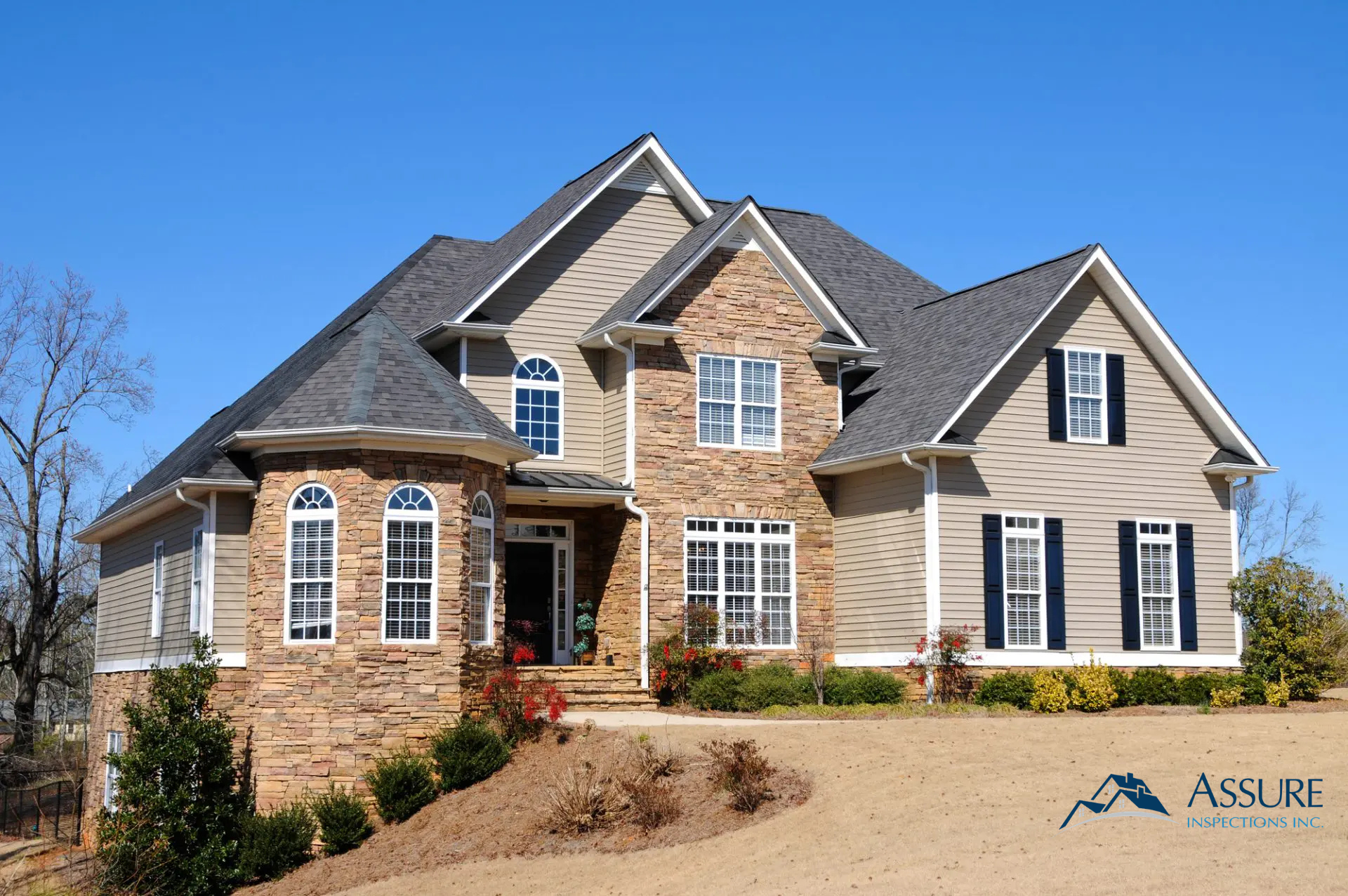
The roof protects everything else in the house, so it’s essential to check roofing materials, flashings, valleys, soffits, fascia, gutters, and visible underlayment. Inspectors look for signs of wear, loose or missing shingles, poorly installed flashing, and water stains inside that could mean roof leaks.
Small roofing issues can often be fixed, but major deterioration or poor installation might mean replacement is needed. For homeowners and buyers worried about the roof’s condition, we offer detailed roofing system inspections that document the roof’s remaining life expectancy and pinpoint immediate repairs to prevent water damage.
Since roof condition affects other systems, inspectors also check attic ventilation and insulation as part of the roofing assessment to give you a complete picture of how well the roof performs over time.
Electrical Systems: Safety, Capacity, and Code Concerns
Electrical inspections cover the service entrance, panel, circuit protection, visible branch wiring, outlets, and lighting. Inspectors test a sample of outlets and grounding and look for outdated wiring systems like knob-and-tube or aluminum that might pose safety risks.
While inspectors don’t do invasive testing, they can spot overloaded circuits, double-tapped breakers, incorrect wiring practices, and hazardous conditions that need a licensed electrician’s attention. For a formal evaluation, we offer detailed electrical system inspections with clear suggestions for corrective work.
Knowing about the electrical findings helps buyers assess safety and modernization needs and lets sellers fix issues that could delay a sale.
Systems Often Included: Plumbing, HVAC, Insulation, and Interiors
Plumbing System: Supply, Drainage, and Fixtures
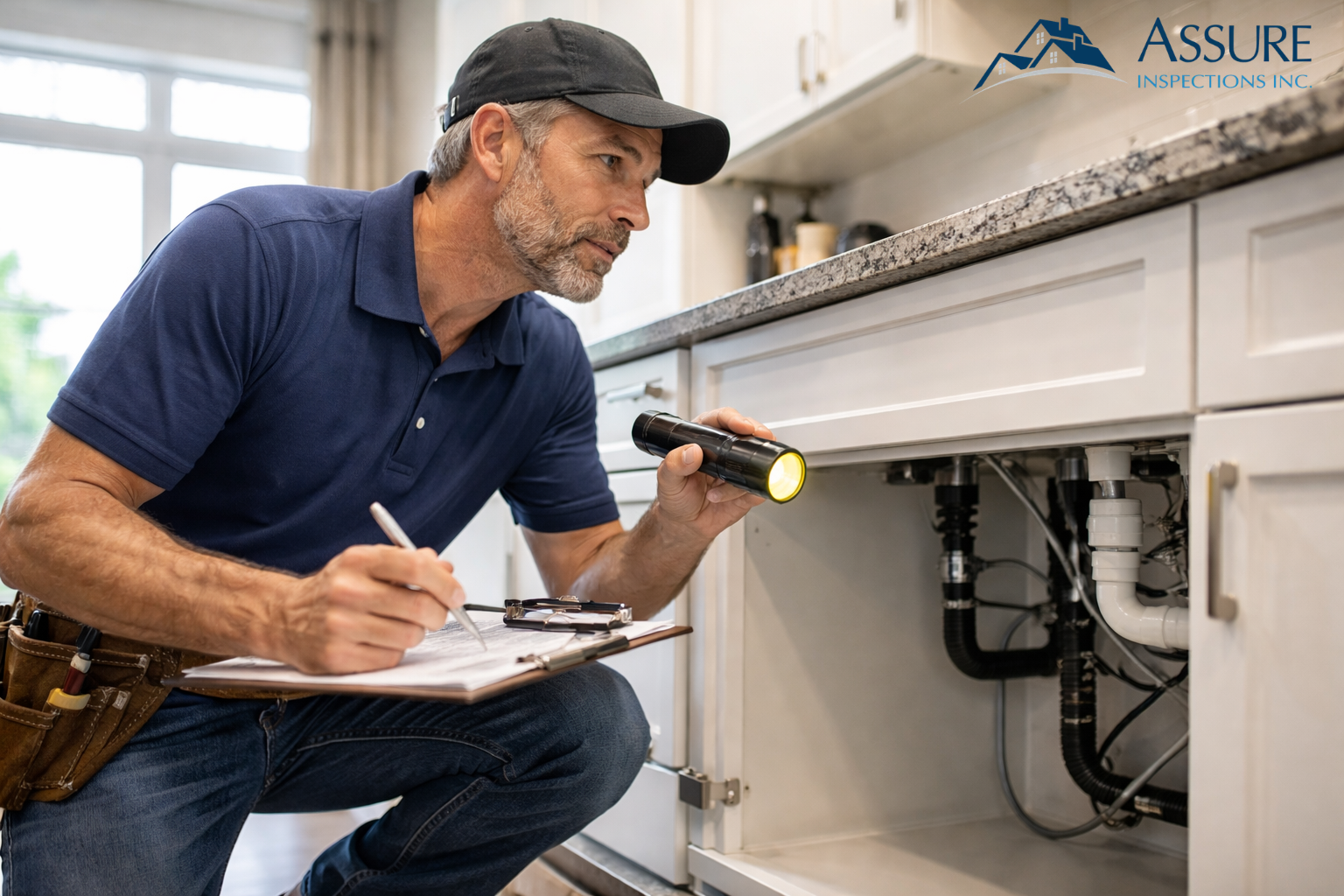
Inspectors review the water supply, visible piping, main shutoffs, water heaters, fixtures, and drainage performance. They check for active leaks, corrosion, improper materials, and signs of water damage around fixtures and appliances. Some inspections include basic operational testing of toilets, faucets, and showers to ensure they work well.
If the home has older materials or signs of recurring leaks, a specialist plumber might need to do further diagnostics. For those who want confidence in the plumbing evaluation, our team offers focused plumbing system inspections that document immediate concerns and long-term maintenance needs.
Plumbing problems can lead to costly repairs if overlooked, so buyers often use plumbing findings to negotiate repairs or price adjustments.
Heating, Ventilation, and Air Conditioning (HVAC)
HVAC assessments include visual and operational checks of furnaces, boilers, air conditioners, heat pumps, ductwork, filters, and venting. Inspectors look for improper clearances, missing safety devices, evidence of combustion spillage, and system age relative to expected lifespans.
A unit that’s working but nearing the end of its life might still be serviceable, but buyers should consider replacement costs for the long term. We provide comprehensive heating system inspections and can advise on maintenance, expected remaining life, and efficiency upgrades.
Energy efficiency evaluations tied to HVAC performance are becoming more common as consumers look to lower operating costs and environmental impact.
Attic, Insulation, and Ventilation
The attic is where many performance issues show up first: inadequate insulation, poor ventilation, pest intrusion, and roof leaks. Inspectors measure insulation depth and type, evaluate ventilation pathways, and check for evidence of moisture or biological growth.
Good insulation and ventilation affect energy bills, indoor comfort, and roof longevity. For a detailed evaluation of the attic and thermal envelope, our attic, insulation & ventilation inspections document deficiencies and suggest cost-effective improvements that keep the building healthy.
Addressing attic problems early reduces long-term costs and improves occupant comfort throughout seasonal temperature changes.
Specialized Inspections and Add-Ons
Radon Testing and Health Considerations
Radon is a naturally occurring radioactive gas that can build up in homes and poses a health risk at high levels. Radon testing is specialized and often recommended in regions with known elevated levels. Testing needs time and certified protocols to provide accurate results.
The U.S. Environmental Protection Agency offers guidance on radon testing and mitigation; learn more at the EPA's radon information page. If tests show high levels, certified mitigation specialists can install systems to reduce indoor concentrations and protect health.
Buyers often request radon testing as a sale condition, and sellers might complete pre-listing testing to avoid surprises during negotiations.
Mold, Moisture, and Indoor Air Quality
A standard inspection notes visible moisture and mold conditions, but specialized mold or indoor air quality testing provides lab-backed analysis. Inspectors identify likely moisture sources and recommend steps to stop ongoing water intrusion, which causes mold growth.
Indoor air quality assessments might include sampling, ventilation evaluation, and recommendations for filtration or ventilation upgrades. Concerns about air quality often lead to a combination of repairs: fix leaks, improve drainage, and enhance ventilation to reduce health risks and preserve building components.
In humid areas or older homes with moisture issues, investing in testing and remediation can prevent widespread damage and protect health.
Pest, Septic, and Specialty Systems
Termite or pest inspections and septic system evaluations are common add-ons. Pest inspections document infestation evidence, conducive conditions, and recommended treatments. Septic inspections evaluate tank condition, drainfield performance, and pumping needs.
Specialty systems like pools, spas, security systems, and solar installations often need licensed specialists. Inspectors note visible problems and suggest if a specialist evaluation is needed for a thorough assessment and cost estimation.
Discuss likely add-ons with your inspector before the appointment to ensure you get a scope that matches your property’s features and local risk factors.
Technology, Trends, and the Future of Inspections
Drone Roof Inspections and Exterior Imaging
Drones with high-resolution cameras let inspectors check roofs and elevated exteriors without risky ladder work. Drone imaging captures detailed visuals of roofing conditions, flashing, and chimney caps and can be included in digital reports for easy review by clients and contractors.
When roof slopes or heights make direct access risky, drone photos provide clarity while improving safety and efficiency. Drones also speed up documentation and help create before-and-after records when repairs are made.
The use of drone technology is growing as regulators and training programs standardize best practices for safe flights and image quality.
AI-Enhanced Reporting and Data Insights
Artificial intelligence and advanced reporting platforms streamline the inspection workflow and enhance defect detection. AI tools can help with photo tagging, defect classification, and consistent language in reports, improving clarity for clients and reducing turnaround time.
While AI is a productivity tool, the trained inspector’s experience is key to interpreting conditions and suggesting practical next steps. Tech-enhanced reports often include prioritized repair lists, cost-estimate guidance, and clickable photos to help buyers and sellers act quickly.
Consumers benefit from clearer, faster reports that turn technical findings into actionable items for contractors or negotiation leverage.
Sustainability, Energy Performance, and Indoor Environment
Inspectors increasingly include energy performance and sustainability in standard assessments. Evaluations of insulation effectiveness, HVAC efficiency, and water-saving systems help homeowners identify upgrades that pay off with lower utility bills and longer system life.
The Department of Energy offers practical guidance on home energy audits and efficiency improvements. Check out their resources on home energy assessments here: U.S. Department of Energy - Home Energy Audits. Combining inspection findings with an energy audit can reveal impactful improvements that enhance comfort and reduce costs.
As sustainability considerations grow, inspectors who can advise on energy-saving upgrades add value during property transactions and long-term home maintenance planning.
Interpreting the Inspection Report and Negotiation Strategies
How Reports Are Structured: Photos, Findings, and Severity Ratings
Modern inspection reports usually include a summary of major concerns, categorized findings, photographic evidence, and recommended next steps. Many reports use severity indicators (like safety, repair, maintenance) so readers can quickly gauge urgency.
Reading the report with a focus on safety hazards and conditions that affect habitability is crucial for buyers. Routine maintenance items are often expected and may not be significant negotiation drivers, while structural, roofing, and major system failures usually warrant deeper discussion.
Ask your inspector to walk through the report with you. Many inspectors provide in-person or virtual reviews to explain the significance of key observations and answer follow-up questions.
Common Findings and Typical Negotiation Outcomes
Industry data shows that about 86% of inspections reveal one or more issues needing attention, and buyers negotiate monetary adjustments based on these findings. On average, buyers have negotiated around $14,000 off a sale price after inspection findings, although outcomes vary widely by market, issue severity, and bargaining power.
Negotiation strategies range from requesting specific repairs to asking for credits at closing or price reductions. Focus negotiations on safety hazards, major system failures, and costly replacements. Minor cosmetic or maintenance issues may be better suited to post-closing repairs unless they significantly impact buyer comfort or cost.
Working with trusted contractors to estimate repair costs before negotiations gives buyers a factual basis for requests and helps sellers make informed decisions about addressing items pre-listing.
Case Studies: Real-World Examples
Case Study 1: A buyer found signs of foundation settlement and significant cracking during inspection. The buyer negotiated a $15,000 price reduction after getting a contractor estimate and a structural engineer’s recommendation for repairs. The reduction covered repair costs and provided peace of mind for the homeowner.
Case Study 2: A seller chose a pre-listing inspection, addressed several minor plumbing and roofing items, and added clearer documentation to the listing. The result was a faster sale at near asking price and fewer buyer concession requests, showing the value of proactive remediation.
These examples show how inspection findings shape transaction outcomes and why clarity and timely remediation matter for both buyers and sellers.
Pre-Listing Inspections: Benefits for Sellers
Why Sellers Choose Pre-Listing Inspections
Pre-listing inspections help sellers identify and repair issues before their property hits the market. This reduces surprise findings that can stall negotiations and gives sellers greater control over repair timelines and contractor selection.
Sellers who address defects beforehand often achieve smoother transactions and better buyer confidence. A detailed pre-listing inspection report can be shared with potential buyers to demonstrate transparency and reduce the risk of renegotiation requests.
Pre-listing inspections also provide a realistic scope and budget for repairs so sellers can weigh the cost-benefit of addressing items versus offering concessions during negotiation.
Steps to Prepare for a Pre-Listing Inspection
Getting ready for a pre-listing inspection starts with decluttering access points, ensuring utilities are on, and gathering maintenance records for systems like HVAC and roofing. Sellers should fix obvious safety hazards and provide clear access to attics, crawl spaces, and electrical panels.
Documenting recent repairs and routine maintenance helps the inspector and boosts buyer confidence. If major items are identified, obtain contractor estimates and decide whether to complete repairs or offer a credit during negotiations.
Sellers who take a methodical approach to pre-listing inspections typically enjoy faster closings and reduced uncertainty during the sale process.
Local Example: Common Seller Concerns
Local housing stock often shapes common inspection findings. In areas with mixed construction and varied soil conditions, issues like foundation settling and moisture-related damage are frequent. Addressing these in advance prevents last-minute disputes and keeps the sale on track.
Assure Inspections Inc. routinely advises sellers on practical, cost-effective fixes and connects them with qualified contractors to streamline pre-listing repairs.
Choosing the Right Inspector and Preparing for the Appointment
Qualifications, Certifications, and Experience
Pick an inspector who is licensed or certified by reputable organizations and carries professional liability insurance. Experience in local building practices and familiarity with region-specific issues are invaluable during evaluation and reporting.
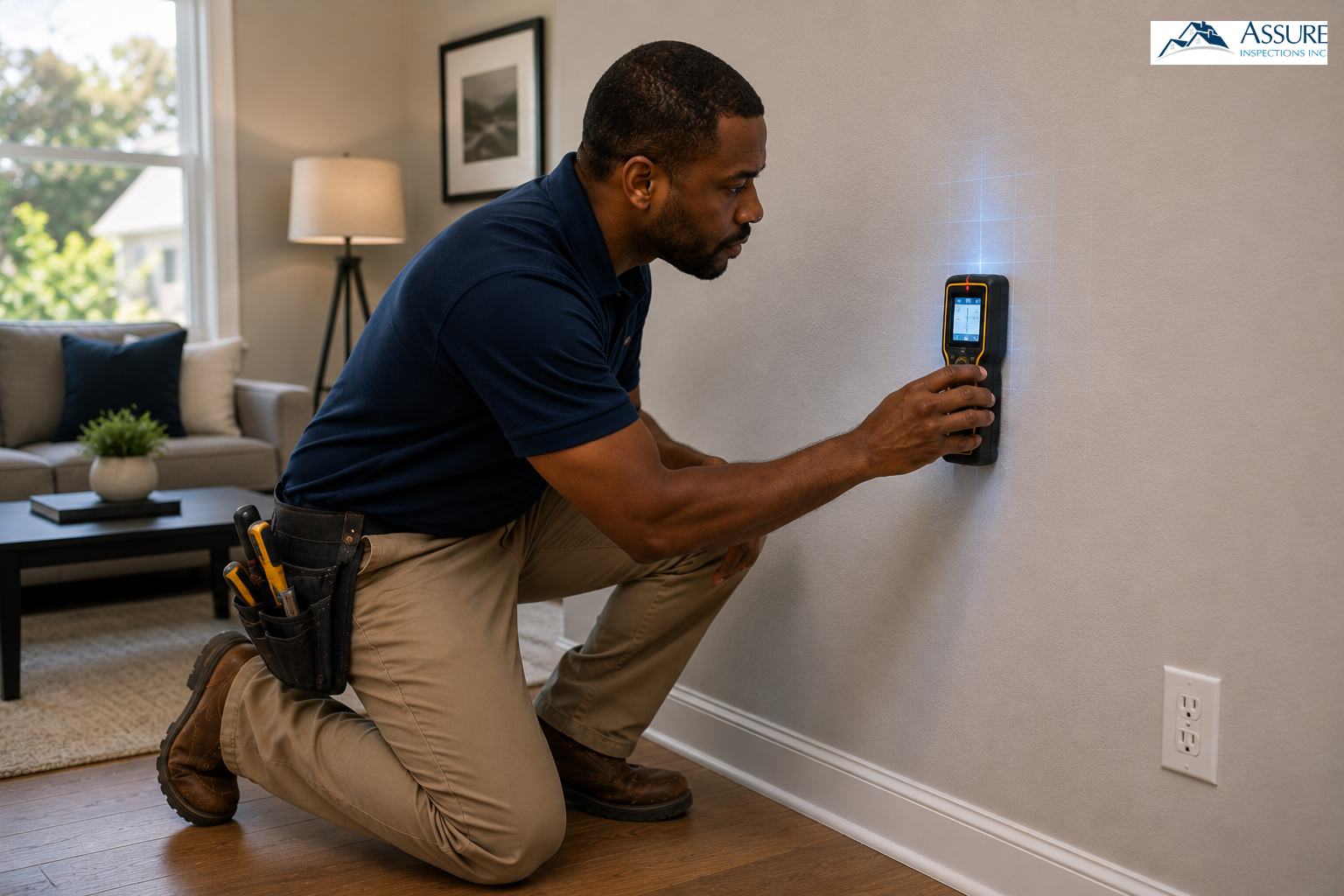
Ask about the inspector’s standard scope, whether they use specialized tools (like thermal imaging, moisture meters, and drones), and how quickly you’ll receive the written report. Transparent pricing and clear communication are also essential selection criteria.
Assure Inspections Inc. emphasizes continuing education and invests in modern tools so clients receive accurate, timely, and actionable reports.
How to Prepare as a Buyer or Seller
Buyers should attend the inspection whenever possible and bring a copy of the home’s disclosures and any buyer-specific concerns. Sellers should ensure clear access and provide maintenance documentation when available. Both parties benefit from planning questions and requesting clarifications after the inspection walkthrough.
Basic preparation reduces delays, improves the inspector’s ability to assess systems thoroughly, and results in a more useful final report.
If you want a pre-inspection checklist for homeowners, consider scheduling a consultation so we can walk you through steps tailored to your property type.
Questions to Ask Your Inspector
Good questions include: What is the scope of the inspection? Which items will you not inspect? Do you recommend specialist follow-up for any issues? How do you categorize severity? What warranties or guarantees, if any, accompany your inspection? Clear questions lead to clearer answers and better decision-making after the inspection.
Inspectors should be willing to explain findings in plain language and provide practical next steps for remediation and maintenance.
Frequently Asked Questions and Troubleshooting
How Long Will the Inspection Take?
Typical inspections last between two and four hours, depending on property size and complexity. Larger homes, multi-building properties, or homes with many specialized systems may require more time. Inspectors aim to balance thoroughness with efficiency, so you receive a comprehensive report without unnecessary delay.
Scheduling additional specialized testing, such as radon or pest inspections, adds time and should be arranged in advance to coordinate access and results timing.
What Happens After the Inspection?
After the on-site walkthrough, the inspector compiles a written report with photos, descriptions, and prioritized recommendations. Many inspectors deliver these reports within 24 to 48 hours. Buyers typically review the report, obtain contractor estimates for major items, and determine negotiation strategy with their real estate agent.
Sellers reviewing a pre-listing report will decide which items to repair and which to disclose as-is. In all cases, the report becomes a central document for transparent decision-making.
Can an Inspector Provide Repair Estimates?
Inspectors identify problems and indicate urgency, but most don’t provide formal contractor estimates unless they also operate a repair business, which can create conflicts of interest. For accurate pricing, obtain independent contractor bids for recommended repairs. Having documented estimates strengthens negotiation positions for buyers and clarifies costs for sellers deciding whether to remediate pre-listing.
What If the Inspection Reveals Major Safety Issues?
If the report identifies safety hazards, such as active gas leaks, major structural failure, or electrical conditions that present immediate risk, prioritize those items and consult licensed specialists for emergency remediation. Safety hazards often become deal-stoppers until corrected or formally addressed through credits or price adjustments.
Inspections are designed to flag these urgent concerns so occupants and stakeholders can act quickly to protect health and property.
Conclusion and Next Steps
A professional home inspection is more than a checklist; it’s a comprehensive evaluation that identifies safety hazards, system deficiencies, and maintenance needs. Modern inspection practices incorporate advanced tools, energy-performance considerations, and specialized testing options so buyers and sellers can make informed decisions backed by data and expert recommendations.
Whether you're a buyer negotiating repairs, a seller preparing a pre-listing checklist, or a homeowner planning long-term maintenance, scheduling a qualified inspection is the best way to reduce risk and gain clarity on property condition. For foundation-specific concerns, we perform targeted foundation & crawl space inspections that reveal hidden issues and provide actionable next steps to protect your investment.
If you’re ready to schedule an inspection or have questions about which add-ons you might need, contact Assure Inspections Inc. Our certified inspectors provide clear, photo-rich reports and practical recommendations. To address interior-specific concerns and identify moisture issues, consider our basement inspections for a focused evaluation of below-grade risks before closing or listing.
Call us at (708) 692-7877 or email office@assurehomeinspector.com to book an appointment. Protect your investment with thorough, professional inspection services from Assure Inspections Inc.
Ready to get started? Schedule a comprehensive inspection today and gain the confidence you need to move forward with your real estate decision.