Yes, a home can absolutely pass inspection and still have problems. That may sound surprising, especially if you’re buying a property and hoping the inspection report will give you a complete green light. The truth is that a home inspection is a visual, non-invasive assessment designed to identify observable issues, not a guarantee that every hidden defect, future failure, or maintenance concern has been uncovered. For buyers and sellers alike, understanding that distinction can prevent expensive surprises after closing.
In this guide, we’ll explain why inspection reports can look favorable while underlying issues remain, what modern tools can and cannot reveal, and how smart buyers can reduce risk before they sign. If you’re comparing services such as interior inspections and exterior inspections, or trying to understand what a report really means, this article will help you read between the lines. We’ll also include practical insights relevant to New Lenox, IL, where weather, soil conditions, and home age can influence inspection outcomes.
According to the American Society of Home Inspectors, professional inspections are a standard part of most real estate transactions, but they still have limits. And as the U.S. Department of Energy explains in its guidance on building envelopes and moisture control, many of the most costly problems in a house begin in areas that are difficult to see during a routine visit. That’s why passing inspection should be viewed as one part of due diligence, not the final word on a property’s condition.
What a Home Inspection Actually Covers
A snapshot, not a warranty
A home inspection provides a point-in-time evaluation of visible and accessible components. Inspectors typically review systems like the roof, electrical, plumbing, HVAC, attic, foundation, basement, interior rooms, and exterior surfaces. The goal is to note defects, safety concerns, and evidence of deterioration. However, the inspector is not opening walls, digging into buried plumbing, or predicting every future breakdown that could occur after the report is delivered.
This is why a home can pass inspection and still have hidden problems. A passing report generally means the home did not show major visible defects that would prevent occupancy or immediate safety concerns. It does not mean every component is in perfect condition, nor does it guarantee that concealed damage, intermittent system failures, or deferred maintenance won’t surface later.
Why scope matters so much
Inspection protocols are intentionally limited to protect both the inspector and the client from unrealistic expectations. An inspector may recommend further evaluation when they suspect an issue, but they cannot always confirm what is behind drywall, under flooring, or inside sealed mechanical systems. For example, an attic inspection may reveal poor ventilation, but it may not reveal the full extent of hidden roof leaks unless there is visible staining or active moisture.
If a buyer wants deeper due diligence, specialized services like roofing system inspection, foundation & crawl space inspections, and electrical system inspections can provide more focused insight. Those targeted reviews can be especially helpful when a property is older, has a complex maintenance history, or shows signs of stress in a particular area.
Why Problems Can Hide Behind a Clean Report
Access limitations and invisible conditions
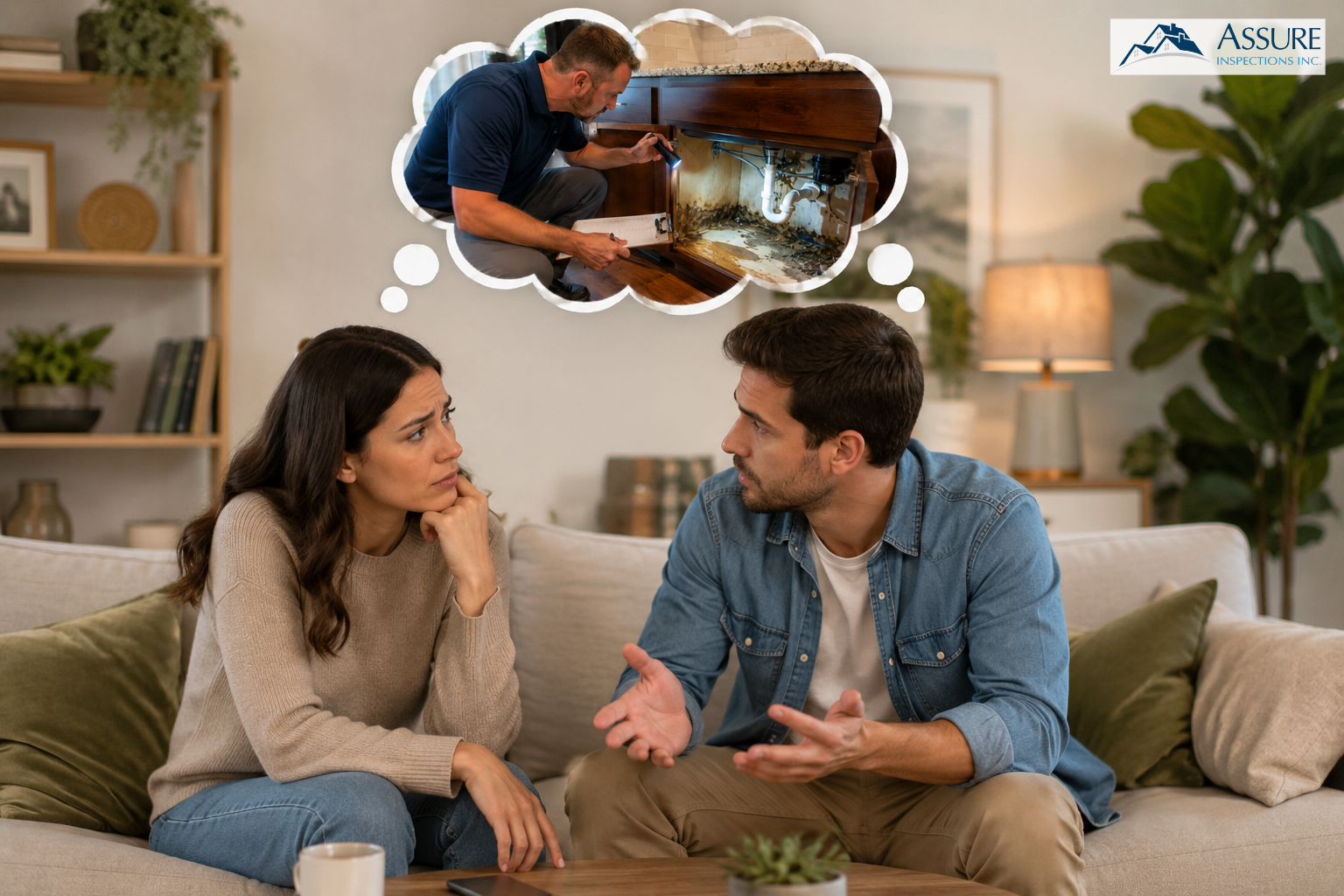
One of the biggest reasons hidden problems survive an inspection is simple: not everything is accessible. Inspectors cannot see inside walls, under finished floors, or behind permanently installed finishes. Moisture intrusion, mold growth, pest damage, deteriorated framing, and wiring shortcuts can all exist in concealed spaces without immediate outward evidence. If the surface looks normal, the issue may not be apparent during a standard walkthrough.
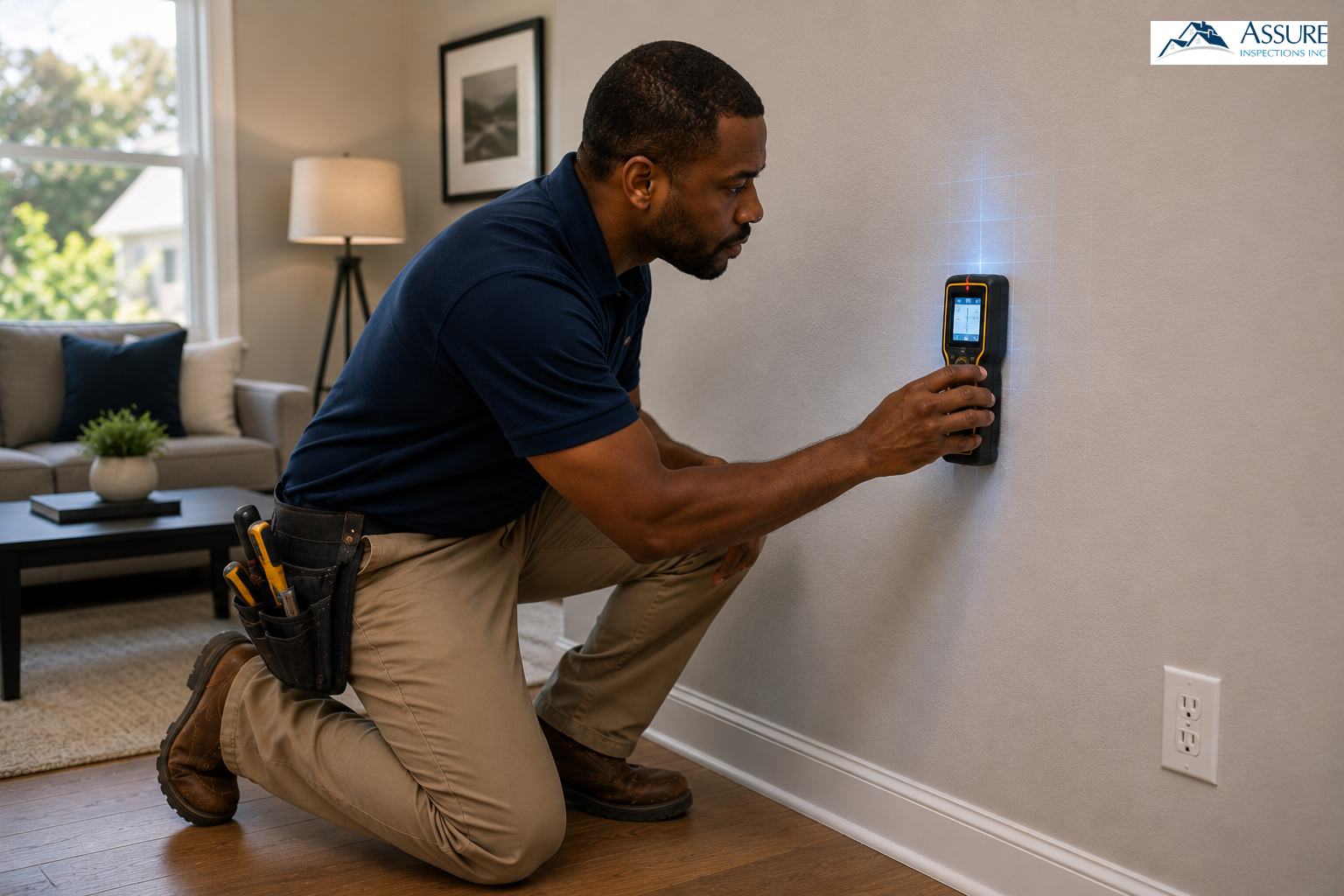
This is where modern technology helps, but does not solve everything. Thermal imaging cameras can identify temperature differences that may suggest missing insulation or moisture. Moisture meters can detect elevated readings in drywall or framing. Drone inspections can provide safer roof access and better visibility in hard-to-reach locations. Even so, these tools still depend on conditions that produce measurable clues. A problem without a visible symptom can remain hidden until it becomes severe enough to be detected.
Deferred maintenance and “good enough” appearances
Some homes pass inspection because the visible condition looks acceptable, even though maintenance has been neglected for years. A roof may have no active leak during the inspection but still be nearing the end of its life. A furnace may start and run during the visit, yet have aging components that could fail under heavier seasonal use. Plumbing fixtures may drain adequately, while older supply lines sit one cold snap away from trouble.
That is why inspectors and real estate professionals often advise buyers to consider the property’s age, records of upkeep, and any signs of patchwork repairs. If you’re evaluating a home in a local market, services such as structural components inspection and attic, insulation, & ventilation inspection can reveal conditions that a general visual pass might miss. A home’s presentation can be tidy while its systems still age out of view.
Statistics and What They Mean for Buyers
Most buyers get an inspection, but not every issue is caught.
Industry data shows just how important inspections are. The American Society of Home Inspectors notes that approximately 85% of home buyers choose a professional inspection. That tells us most buyers understand the value of a professional evaluation before closing. Yet studies also indicate that about 20% of homes inspected later reveal issues that were not identified during the inspection, which highlights an unavoidable reality: no single inspection can uncover every concern.
Those numbers should not discourage buyers. Instead, they should shape realistic expectations. A home inspection reduces uncertainty; it does not eliminate it. The best buyers use the report as one source of evidence among several, combining it with seller disclosures, maintenance records, neighborhood conditions, age-related risks, and specialized follow-up inspections when necessary.
Hidden issues are often expensive and not obvious.
Many of the most costly post-inspection surprises are not dramatic failures, but conditions that worsen over time. A small foundation crack can lead to water intrusion and basement damage. A minor electrical concern can turn into a fire risk. Poor grading can quietly direct water toward the house for years before symptoms become visible. Problems that seem minor at first may become major once weather, usage, or seasonal changes push them past a tipping point.
For further perspective on moisture and building performance, the U.S. Department of Energy’s moisture guidance is a useful reference. It reinforces why water management matters so much in home condition assessments. In many cases, moisture is the common thread linking hidden basement issues, crawl space damage, attic problems, and exterior deterioration.
Common Problems That May Appear After a Passing Inspection
Foundation and basement concerns
Foundation cracks, settlement, seepage, and crawl space humidity are among the most common hidden concerns. A basement may appear dry during an inspection, yet still experience seasonal seepage after a heavy rain or thaw cycle. Small cracks can be masked by stored items, recent paint, or temporary dry weather. Over time, those conditions can lead to mold, efflorescence, warped materials, and structural stress.
For buyers who want a closer look, a dedicated basement inspection or grading & drainage inspection can be extremely valuable. These focused services help evaluate whether water is being directed away from the home and whether the foundation is showing signs of movement. In areas with freeze-thaw cycles, that kind of analysis can make a major difference in long-term ownership costs.
Roof, attic, and ventilation issues
A roof can pass inspection even if it is approaching the end of its service life. Inspectors may note wear, but if there are no active leaks or severe defects, the roof may still pass. The problem is that storms, wind, or hidden flashing failures can quickly expose weaknesses after closing. In addition, poor attic ventilation can contribute to condensation, ice damming, and premature shingle deterioration without obvious symptoms from the ground.
This is why a more detailed roofing system inspection combined with an attic, insulation, & ventilation inspection can be a smart move for buyers. These reviews provide a better look at conditions that influence both comfort and durability. A roof that looks fine to the eye may still conceal underlayment wear, flashing problems, or ventilation deficiencies that a general inspection cannot fully confirm.
Electrical and plumbing surprises
Electrical systems often appear functional during the inspection, but hidden defects can still be present. Improperly spliced wiring, overloaded circuits, loose connections, or outdated panel components may go unnoticed if they are concealed or not actively causing issues. Similarly, plumbing lines may look okay and pressure test well, while hidden corrosion or pipe aging remains below the surface.
To reduce risk, buyers should consider specialized support like electrical system inspections and plumbing system inspections. If a home is older or has a complex renovation history, the extra scrutiny is worth it. These systems are among the most common sources of post-closing repair bills, and many problems start quietly before they escalate into obvious failures.
Expert Best Practices for Smarter Home Buying
Read the report as a risk document.
Experienced inspectors often advise clients to think of the report as a risk assessment, not a pass-fail exam. A “good” report still may include maintenance items, age-related concerns, or recommendations for monitoring. The key question is not just whether the house passed; it is whether the findings fit your budget, timeline, tolerance for repair work, and long-term plans for the property.
Buyers should pay attention to recurring themes in the report. If several parts of the home point to moisture, settlement, or wear, those patterns matter more than a single isolated note. A home with multiple “minor” issues can still represent a meaningful financial burden if those issues are connected or likely to worsen together.
Use the property’s age and history.
Older homes deserve special attention because systems age at different rates. Even well-maintained properties can develop hidden problems over time. Home age affects inspection results because the likelihood of outdated wiring, older plumbing, original windows, or structural wear increases as the home gets older. That does not mean older homes are bad investments, but it does mean buyers should interpret a clean report cautiously.
For deeper local insight, it can help to review related guidance like How Home Age Affects Inspection Results in New Lenox, IL, and Why Even a Modern House Needs a Professional Inspection. Both topics reinforce the same message: age alone is not the issue, but age influences the kind of hidden problems a property is likely to develop.
Follow up when something feels off.
If a report contains vague wording, limited access notes, or recommendations for specialist review, take those seriously. Buyers should not hesitate to bring in a qualified contractor, roofer, electrician, or foundation professional for a second opinion. The inspection report may have technically passed the home, but if the inspector recommends further evaluation, that is a sign to investigate rather than assume everything is fine.
At Assure Inspections Inc., we believe informed buyers make better decisions. That is why services like structural components inspection and foundation & crawl space inspections are so important when a property raises a specific concern. When the cost of a follow-up is far less than the cost of a hidden repair, extra diligence pays off.
Real-World Examples from New Lenox, IL
Case study: basement water damage after closing
One common scenario involves a home that passes inspection during dry weather, only for the buyer to discover basement moisture after moving in. In one New Lenox case, a buyer purchased a home that looked solid during the inspection, but a few weeks later, water appeared near the foundation after a heavy storm. The cause turned out to be small foundation cracks and grading that directed runoff toward the house instead of away from it.
A more focused basement inspection and grading & drainage inspection likely would have flagged the risk earlier. This is a good reminder that the weather at the time of inspection can shape what is visible. Dry conditions can hide water problems that become obvious only when the home is tested by rain, snow melt, or seasonal saturation.
Case study: electrical issues that surfaced later
Another example involved a homeowner who moved into a property that had passed inspection, only to experience recurring electrical problems within the first year. The issue was traced to an aging panel and a few concealed wiring concerns that were not obvious during the original visit. The home functioned normally during the inspection, but regular household use exposed weaknesses that the report could not fully detect.
This is where a targeted electrical system inspection can make a meaningful difference, especially in homes with older service equipment. If a home shows any signs of flickering lights, tripping breakers, or inconsistent outlet function, those clues deserve closer review, even if the general inspection appears favorable.
What Buyers Should Do If Problems Appear After Inspection
Document everything early
If a problem surfaces after closing, start documenting the issue right away with photos, dates, and notes about when symptoms first appeared. Compare the new findings with the inspection report and seller disclosures. This process will help you understand whether the issue was likely hidden, recently developed, or simply not visible during the inspection.
Clear documentation is also useful if you need to obtain repair estimates, file a warranty claim, or discuss the issue with a contractor. The more specific your records, the easier it is to determine whether the concern is isolated or part of a larger pattern.
Get a qualified contractor’s opinion.
When problems are discovered post-inspection, the best next step is often a licensed contractor or specialist. They can confirm the scope of damage, estimate repair costs, and tell you whether the issue is cosmetic, moderate, or urgent. This matters because a passing inspection does not always tell you how severe a hidden problem has become by the time it is discovered.
In cases involving moisture or structural movement, a specialist may recommend further testing or monitoring. That kind of expert input can save money in the long run by helping you prioritize the right repairs before secondary damage sets in.
Know when to plan, not panic.
Not every post-inspection issue is a crisis. Some findings are manageable maintenance items that can be budgeted for over time. The key is to distinguish between deferred maintenance, minor wear, and true safety concerns. A passing inspection does not mean the home is maintenance-free; it simply means major issues were not obvious at the time of review.
For many buyers, the smartest approach is to create a maintenance and repair plan immediately after closing. That plan can include seasonal roof checks, plumbing monitoring, gutter cleaning, sump pump testing, and routine HVAC service. Preventive care helps keep small concerns from becoming expensive surprises.
How to Reduce the Odds of Post-Inspection Surprises
Choose a qualified, experienced inspector.
One of the most effective ways to reduce risk is to hire an experienced inspector who knows how to evaluate the home’s age, construction type, and local environmental conditions. Not all inspectors bring the same level of detail or communication. Look for someone who explains findings clearly, documents them with photos, and takes time to discuss limitations honestly.
Local expertise matters too. In New Lenox, factors like drainage patterns, seasonal temperature swings, and regional construction styles can influence inspection priorities. A knowledgeable inspector will know where hidden issues tend to develop and when specialized follow-up is appropriate.
Review the whole picture, not just the summary.
Buyers should read the full report, not just the summary page. Notes about limited access, aging materials, recommended maintenance, or secondary evaluation can reveal far more than a simple “passed” impression. If the report points to concerns in several areas, those details may matter more than whether the home technically passed.
If you want to better understand what a broad inspection should include, our guide on what a home inspection really includes is a useful companion. It helps set realistic expectations about the scope of a standard inspection and the value of specialty add-ons when warranted.
Use related inspections strategically.
Not every house needs every add-on service, but certain findings justify more focused inspection work. A suspicious stain may warrant a roofing system inspection. Visible foundation movement may call for structural components inspection. Damp lower-level spaces may require basement inspections and a closer look at drainage. Strategically choosing the right follow-up service can prevent you from overreacting to minor notes or overlooking serious red flags.
Frequently Asked Questions About Passing Home Inspections
Can a home pass an inspection and still need repairs?
Yes. In fact, most homes that pass inspection still need ongoing maintenance or repairs. A passing report usually means the home was found to be generally acceptable at the time of the inspection, not that it is free from all defects.
Should I buy a house if the inspection passes?
That depends on the report details, your budget, and your comfort level. A passing inspection is reassuring, but you should still evaluate the age of the systems, the repair notes, and any recommendations for specialist review before making a final decision.
Are hidden problems a sign of a bad inspector?
Not always. Home inspections are limited by accessibility, time, and visibility. Even a highly skilled inspector cannot see through walls or predict every future failure. The goal is to reduce risk, not eliminate it.
What if I need more confidence before closing?
Consider targeted add-ons such as electrical system inspections, plumbing system inspections, or foundation & crawl space inspections. Those services can provide a more detailed look at systems that often hide expensive problems.
Final Takeaway: A Passing Inspection Is Helpful, Not Absolute
So, can a home pass an inspection and still have problems? Absolutely. That is not a flaw in the process so much as a reminder of what home inspections are designed to do. They reveal visible concerns, point out safety issues, and give buyers a clearer picture of a property’s condition, but they cannot guarantee that every hidden defect will be discovered.
The smartest buyers treat the inspection as one part of a broader decision-making process. They review the report carefully, ask questions, consider follow-up inspections, and pay attention to the home’s age, maintenance history, and environmental exposure. They also understand that certain issues may not appear until weather, usage, or time reveal them.
If you’re buying or selling in New Lenox and want a more confident understanding of a property’s condition, Assure Inspections Inc. is here to help. Explore our services, review our educational resources, and contact our team to discuss the right inspection strategy for your situation. For reliable home inspection services in New Lenox, IL, call (708) 692-7877 or email office@assurehomeinspector.com. A thorough inspection is the first step toward a smarter, safer real estate decision.
Related reading: Key Red Flags in Home Inspections Every Buyer Should Know and Home Inspection vs Appraisal in New Lenox, IL.