Essential Guide to Home Inspection vs Appraisal
Buying or selling a home is a complex process, and two steps that often get mixed up are the home inspection and the appraisal. Both check out the property, but they’re not the same thing. Understanding the difference can help you avoid unexpected costs and make the whole process smoother.
Think of it like this: an appraisal tells you the property's value, while an inspection tells you about its condition. Both are important in a real estate deal. For buyers, combining a professional appraisal with a thorough interior inspection and exterior inspection will give you a clearer idea of what you're buying.
In New Lenox and nearby areas, it's crucial to know not just what each process does, but how they fit into the bigger picture of buying or selling a home. The Appraisal Institute and the Consumer Financial Protection Bureau both stress that appraisals are for lending decisions, while inspections help you make informed buying decisions.
What a Home Inspection Actually Covers
A look at the property's condition
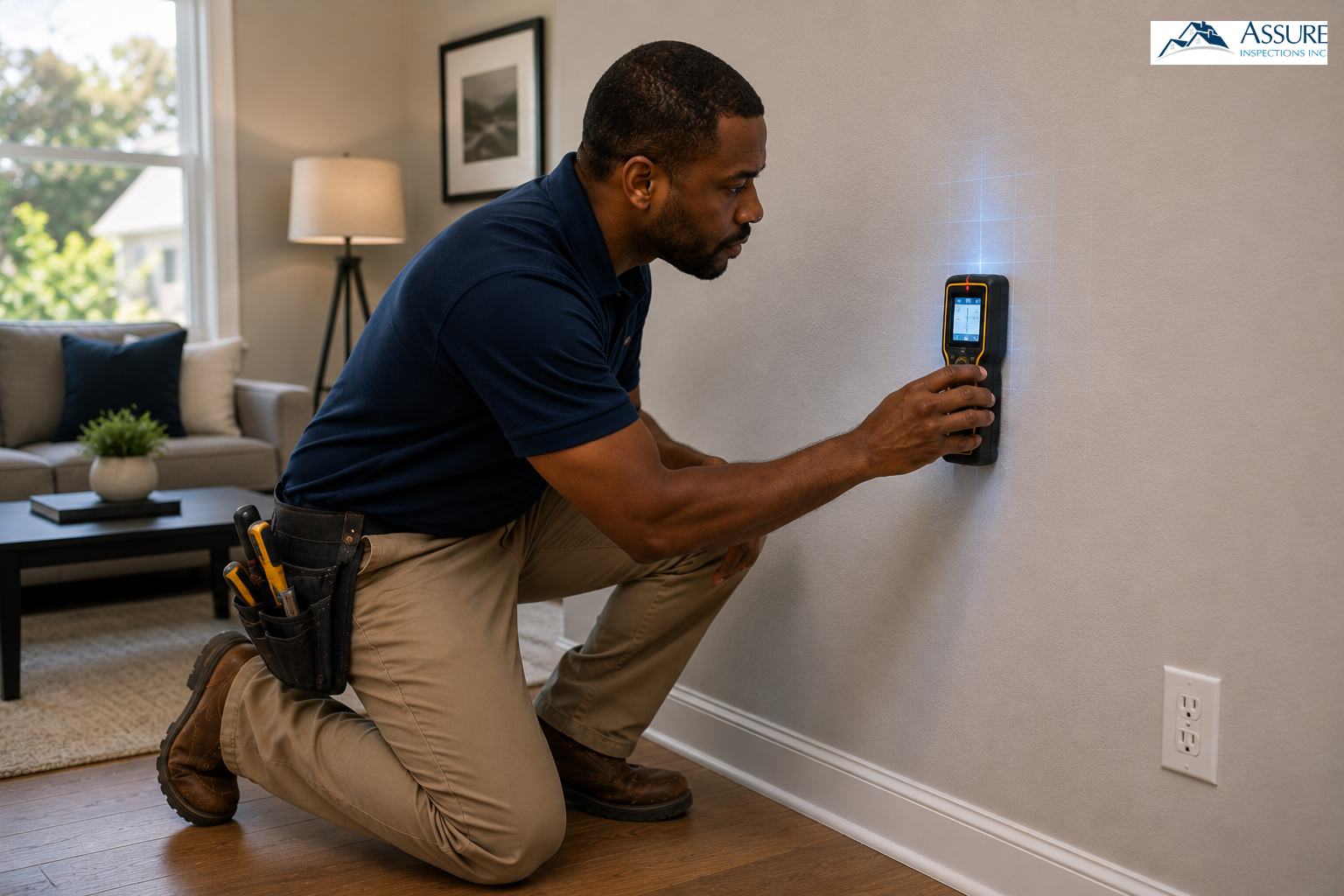
A home inspection is a visual check of a house’s major systems and parts. The goal is to spot visible issues, safety concerns, and signs of damage that could affect the home’s performance or long-term costs. Inspectors do not estimate market value. They focus on the property's condition so you can make a smarter decision.
During an inspection, the inspector might look at the roof, structural parts, electrical systems, plumbing, heating, ventilation, and visible interior and exterior conditions. If there are specific concerns, services like roofing system inspection, structural components inspection, or plumbing system inspection can give you deeper insights.
What buyers learn from the inspection report
The inspection report helps you see what needs fixing now, what might need attention soon, and what to keep an eye on over time. It often includes photos, notes, and recommendations that can help you negotiate repairs or plan for future maintenance. This is crucial when a home looks great on the outside but has hidden issues like moisture problems or aging systems.
For instance, issues in the attic, insulation, & ventilation inspection can show heat loss or insufficient airflow, while foundation & crawl space inspections can uncover settlement or moisture problems that could have long-term effects. These findings might not kill a deal, but they can shift your expectations and bargaining power.
What an Appraisal Is Designed to Do
Value for the lender, not a condition for the buyer
An appraisal is an opinion of a property’s market value by a licensed appraiser. The appraiser's job is to protect the lender by confirming that the home is worth what the buyer is borrowing. They look at the home’s size, location, layout, improvements, comparable sales, and general market conditions. They are not there to find every defect.
A property can appraise well even if it has hidden problems. A solid appraisal doesn’t mean the roof is fine or the basement is dry. For a broader understanding of property valuation, check out the U.S. Department of Housing and Urban Development’s resources on housing valuation and lending topics. Appraisals support financing, while inspections support due diligence.
Why appraisals matter in most mortgage transactions
About 81% of primary home purchases involve a mortgage, so appraisals are usually part of the process. Lenders need to know the home can back up the loan amount, especially when the buyer is financing most of the purchase. If the appraisal comes in low, you might need to renegotiate or change the loan terms.
It’s risky to confuse appraisal results with inspection results. A home might appraise at the contract price but still have major defects. Likewise, a home might inspect well and still appraise low if the market changes. You need both pieces of information to get the full picture.
Home Inspection vs Appraisal: The Key Differences
Different purpose, different audience
The most important difference between a home inspection and an appraisal is the question each one answers. A home inspection asks, “What is the condition of this property?” An appraisal asks, “What is this property worth in the current market?” The inspection is mainly for the buyer, and the appraisal is mainly for the lender, though both can affect the transaction for everyone involved.
This distinction is also highlighted by consumer education sources such as the CFPB’s explanation of appraisals and inspections. The appraisal is usually tied to financing. The inspection is optional, but skipping it can be a big mistake as it may leave you with unexpected repairs or safety issues after closing.
Different professionals and methods
Home inspectors and appraisers are trained differently, licensed differently, and use different standards. A home inspector uses experience and observation to identify visible concerns. An appraiser uses market data and comparable sales to determine value. Each role is specialized, and neither should replace the other.
Standards continue to change in both fields. Appraisers adapt to market shifts, as noted by the Appraisal Institute, while inspectors use improved tools to document issues more clearly. Technology supports better analysis, but the goal remains the same: to protect people making big financial decisions.
When You Need Both During a Real Estate Transaction
Mortgage approval and buyer protection
Both processes happen because they serve different needs. The lender orders the appraisal to confirm value, and the buyer orders the inspection to evaluate risk. If you’re buying a home with a mortgage, the appraisal is likely unavoidable. The inspection, however, is your best chance to understand the property before making it official.
This is crucial when the house is older or shows signs of wear. By scheduling a detailed electrical system inspection or heating system inspection, you can find out if expensive components are nearing the end of their life. That info can affect your willingness to proceed, request repairs, or negotiate the price.
Why sellers should care too
Sellers sometimes think the appraisal is all that matters because it affects financing. But inspection findings can be just as important for a smooth sale. Knowing about issues like exterior wear or basement moisture ahead of time means fewer surprises and less renegotiation after the buyer’s inspection.
Services like basement inspections, attached garage inspection, and grading & drainage inspections can help spot problems early, giving sellers time to fix them before they become deal breakers. In competitive markets, a seller who understands likely inspection concerns is often better positioned to price and present the home accurately.
Common Misconceptions Buyers and Sellers Should Avoid
“If the appraisal is good, the house must be fine.”
This is a common misunderstanding in real estate. An appraisal is not a safety inspection. It might not be obvious concerns, but it’s not designed to catch every defect. A property can have a strong valuation and still hide problems like leaks or unsafe conditions.
If you rely on an appraisal and later find active leaks or ventilation problems, it’s smart to consider targeted checks like a fireplace inspection or a built-in appliances inspection for features that deserve closer attention. More complete information means more confidence in your decision.
“I can skip the inspection to save money.”
Skipping the inspection might save money upfront, but it can increase financial risk. Many buyers find that a modest inspection fee is cheaper than fixing a damaged roof or moisture issues. The inspection isn’t there to scare you; it’s to reveal things you wouldn’t otherwise see.
Imagine relying on the appraisal and closing on the home, only to find structural or drainage issues later. Fixing those could cost way more than the inspection. That’s why professional inspection guidance from sources like InterNACHI emphasizes preventive due diligence for homebuyers.
A Real-World Example of Why Both Matter
When the appraisal and inspection tell different stories
Picture buying a well-maintained house in a great neighborhood. The appraisal matches the contract price because similar sales support it. The lender is happy, so financing moves forward. But the home inspection reveals basement moisture and poor drainage.
The appraisal doesn’t contradict these findings because its role is different. The appraiser values the home based on location and market demand. The inspector finds maintenance issues that could lead to repairs. This is where consulting a range of inspection services, like foundation & crawl space inspections and exterior inspections, can help before proceeding.
How a smart buyer responds
A smart buyer doesn’t panic. They use the inspection report to assess severity, request quotes, and decide whether to negotiate repairs or move ahead with eyes open. Experts advise treating the appraisal and inspection as complementary, not interchangeable. One confirms the value. The other confirms the condition.
This is especially relevant in markets with tight inventory, where buyers might feel pressure to waive contingencies. While every deal is different, waiving the inspection should be a careful decision made after considering the risk. A clear report from an experienced inspector helps buyers make that decision responsibly.
How to Prepare for Each Process
Preparing for the home inspection
Sellers can improve the inspection experience by making the home accessible, turning on utilities, replacing burned-out bulbs, and gathering repair or maintenance docs. Buyers should attend the inspection if possible, ask questions, and focus on the inspector’s explanations rather than just the final checklist. The live walkthrough often gives more value than the report alone by helping buyers understand the implications of each issue.
Buyers who want a fuller picture might consider related evaluations like plumbing system inspections and attic, insulation, & ventilation inspections. These services can help spot recurring moisture or airflow issues that might not be fully understood from a general walkthrough. Preparation is not about passing or failing; it’s about learning and planning.
Preparing for the appraisal
For the appraisal, present the home accurately and keep good records. Sellers should make sure the home is clean and easy to evaluate. If major upgrades were done, documentation like permits and receipts can help the appraiser understand the improvements.
Buyers and sellers should remember that appraisers work from market evidence. A great renovation doesn’t mean a higher valuation if nearby homes don’t support it. For a broader context on housing and valuation trends, the U.S. Department of Housing and Urban Development is a helpful source.
Why Local Knowledge Matters in New Lenox
Regional conditions can influence inspection findings.
Local housing stock, weather patterns, soil conditions, and construction styles all affect what inspectors find. In New Lenox, IL, a mix of older homes, new builds, and varied lot conditions means practical, localized insight is crucial. Common concerns include drainage, foundation movement, attic ventilation, and aging materials, depending on the property and neighborhood.
That’s why working with a local professional can be valuable. A knowledgeable inspector understands the kinds of problems more likely to show up in the area and can explain them in plain language. If you’re comparing homes in different neighborhoods, you might also want to check out local resources like essential home inspection tips for buyers and sellers in New Lenox, IL, and why even a modern house needs a professional inspection.
How local expertise supports better decisions
When an inspector knows local market conditions, they help clients separate cosmetic issues from serious defects. This matters because buyers often need to decide quickly whether a repair is minor or substantial. A local inspector can also help sellers prioritize repairs that matter in negotiations.
For homeowners in the broader New Lenox area, that local perspective is just as important after the sale closes. Routine maintenance and evaluations of systems like roofing, grading, and drainage can prevent damage over time. An inspection is not just a step in the process; it’s part of long-term home maintenance planning.
Frequently Asked Questions About Home Inspections and Appraisals
Do I need both a home inspection and an appraisal?
Yes, in most cases, both are valuable, even though they serve different purposes. The appraisal helps the lender confirm value, while the inspection helps you understand the condition. Both steps are worth taking seriously to protect your investment and reduce surprises.
Can I skip the home inspection if the appraisal looks good?
It’s not a good idea. A strong appraisal doesn’t guarantee the home is free from defects. A home inspection can uncover problems that are invisible to a valuation, like hidden leaks, roof deterioration, poor ventilation, or aging systems. If the house has high-risk features, additional services like roofing system inspection or electrical system inspection may be especially useful.
Which comes first, the inspection or appraisal?
In many transactions, the inspection is scheduled early in the contract period, and the appraisal follows once financing is underway. The exact order can vary, but both usually happen before closing. Use the inspection window to learn about the home before final loan approval or title transfer.
What if the appraisal comes in low?
If the appraisal is below the contract price, you might renegotiate, reduce the price, increase the down payment, or challenge the valuation if there’s supporting evidence. A low appraisal doesn’t mean the deal is dead, but it can create financing hurdles. It’s a separate issue from inspection findings, though both can affect the outcome.
Final Takeaway: Use Both Tools to Make a Smarter Decision
Value and condition are not the same thing.
The main takeaway for buyers and sellers is simple: an appraisal and a home inspection are both essential, but for different reasons. The appraisal tells you what the market says the home is worth. The inspection tells you what shape the home is in and where hidden risks might be. One protects the lender’s interests, and the other protects yours.
When used together, these two processes create a much more complete picture of the property. This is especially important in a market where pricing, lending, and repair costs can shift quickly. Whether you’re buying your first home or getting ready to sell, understanding this difference can save time, money, and stress.
Work with professionals who help you see the full picture.
At Assure Inspections Inc., we help clients make confident real estate decisions by providing clear, thorough, and easy-to-understand inspection reports. From structural components inspection to grading & drainage inspections, our goal is to uncover the details that matter before they become expensive surprises. If you’re buying, selling, or maintaining a home, an informed decision starts with accurate information.
To learn more or schedule a professional home inspection, call (708) 692-7877, email office@assurehomeinspector.com, or visit Assure Inspections Inc. A better real estate decision begins with knowing the difference between value and condition, and the right inspection partner can help you understand both.