How to Get Your Home Ready for a Smooth Inspection
Getting your home ready for an inspection is a smart move, whether you're selling, buying, or just taking care of your investment. Keeping your home clean, easy to access, and well-maintained helps the inspector do their job thoroughly and gives you a clear picture of the property's condition. It can also cut down on surprises, speed up negotiations, and support a smoother closing process. Nowadays, many buyers and sellers use digital reports with photos and videos, which makes presentation and preparation even more crucial.
Home inspections are meant to be objective and thorough, covering the roof, structure, plumbing, electrical systems, HVAC, and safety-related items. According to the National Association of Realtors, inspections are a standard part of smart real estate transactions, and knowing what to expect can help you avoid delays. Preparing is more like a preventive step, not just a checklist. If you're curious about the inspection process, check out our guide on what a home inspection really includes.
Why Getting Ready for an Inspection is Important
It Helps the Inspector Do Their Job
Inspectors can only evaluate what they can safely access and see clearly. If attics are blocked, crawl spaces are cluttered, or utility panels are hidden, the inspection might take longer and miss some documentation. A well-prepared home removes those obstacles, allowing the inspector to focus on the significant findings rather than navigating unnecessary clutter. This efficiency benefits everyone involved in the transaction.
It Can Minimize Repair Negotiations
Inspection findings can influence final sale terms, and it's common for inspections to reveal issues that need attention. Some reports show that buyers negotiate thousands of dollars after the inspection due to repairs or credits. While not every issue is serious, a seller who addresses obvious problems early might have more leverage during negotiations. Buyers also benefit because they can make decisions with fewer unknowns and less stress.
It Leads to Faster, More Confident Decisions
When buyers and sellers understand the home's condition from the start, they can move more confidently through the next steps. This matters in competitive markets where timing is critical. It also matters for lenders, agents, and attorneys who may need documentation quickly. A well-prepared home combined with a clear digital report can make the whole process feel more organized and transparent.
Start With a Smart Pre-Inspection Checklist
Clear Access to Important Areas
Before inspection day, make sure the inspector can reach the attic, basement, crawl space, electrical panel, furnace, water heater, and any mechanical rooms. Move boxes, furniture, or stored items away from these areas so nothing is blocked. If you have a detached garage or exterior storage area, include those spaces too. For related structural areas, our structural components inspection and foundation and crawl space inspections can provide more insight into hard-to-see issues.
Take Care of Small Maintenance Tasks
Simple upkeep makes a big difference. Replace burned-out light bulbs, test smoke and carbon monoxide detectors, and change HVAC filters if they're dirty. Tighten loose handrails, repair torn window screens, and fix dripping faucets if you can do so safely. These minor improvements don't hide defects, but they can show the home has been cared for and may reduce the number of easy-to-correct findings in the report.
Gather Important Documents
It helps to gather records for recent repairs, warranties, permits, pest treatments, roof work, and appliance servicing. Documentation shows the inspector and future buyer that maintenance has been handled responsibly. If you have recent invoices for plumbing, electrical, or roofing work, keep them in one folder. Clear records can also help explain why a component looks newer or why a past issue was already fixed.
Focus on the Big Systems Inspectors Review
Roof, Attic, and Exterior
The roof and exterior are among the first things an inspector checks because they protect everything inside. Missing shingles, damaged flashing, poor drainage, or signs of staining can point to more serious concerns. Attic ventilation and insulation also matter because they affect energy performance and moisture control. Our roofing system inspection, attic, insulation, and ventilation inspection, and exterior inspections are designed to evaluate these areas carefully and thoroughly.
Plumbing, Electrical, and HVAC
Major systems are often where hidden costs appear. A leaking supply line, overloaded circuit, outdated panel, or weak heating system can turn into a repair request or a safety concern. Inspectors commonly look for visible leaks, proper drainage, safe wiring, and signs that the heating system is working as expected. For preparation, make sure under-sink areas are accessible, electrical panels aren't blocked, and all thermostats or service switches are easy to find. Learn more about our plumbing system inspections, electrical system inspections, and heating system inspections.
Interior Safety and Function
Inside, inspectors assess walls, ceilings, floors, stairs, doors, and windows for function and visible defects. Sticky windows, uneven floors, cracked drywall, or moisture stains can all become notes in the report. You don't need to make the home look staged, but you should make it easy to walk through each room safely. If you want a more detailed understanding of this process, our interior inspections offer a closer look at the elements that matter most to buyers and owners.
Use Technology and Trends to Your Advantage
Digital Reports Improve Communication
One of the biggest trends in modern inspection services is using digital reports with images, annotations, and sometimes video clips. These reports are easier to share with agents, lenders, contractors, and family members, and they make findings clearer than old paper-only formats. The Consumer Reports home inspection guidance highlights the value of being present and asking questions so you can fully understand the report after it's delivered. When a report is clear, repairs can be prioritized faster and with less confusion.
Specialized Inspections Catch Hidden Problems
Standard inspections are broad, but some homes benefit from specialized add-ons depending on age, location, and condition. Sewer scope evaluations, for example, can identify breaks, obstructions, root intrusion, or aging piping that might not be visible during a normal walkthrough. This type of inspection is especially useful when a property has older plumbing or signs of recurring drainage issues. For homeowners who want to understand hidden water-related risks, our article on hidden moisture in the home is a helpful companion resource.
Thermal Imaging and Better Diagnostics
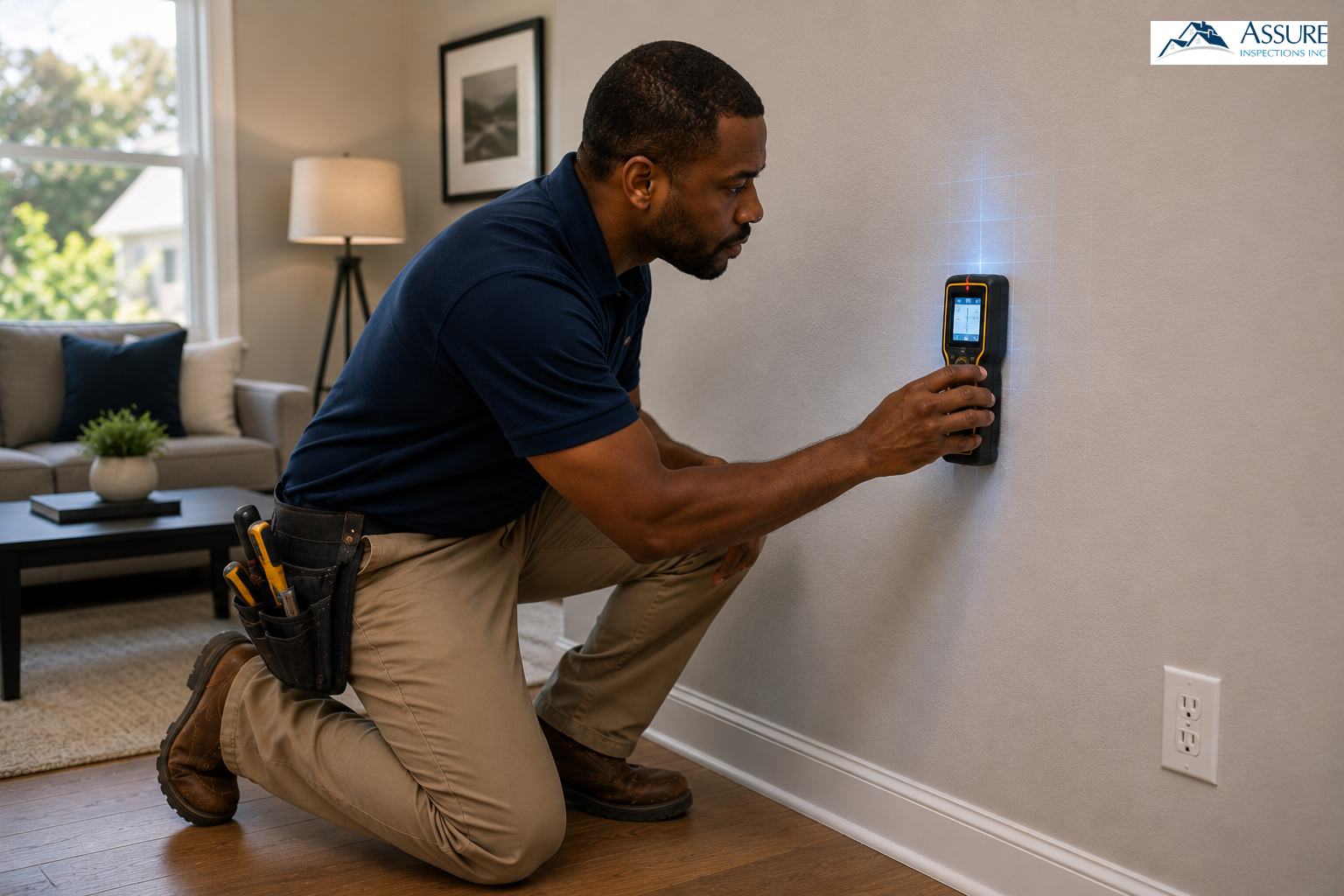
Technology is also making inspections more accurate. Thermal imaging can help spot temperature differences that may suggest missing insulation, water intrusion, or electrical irregularities. Drone-assisted views may also help inspectors examine steep roofs or difficult exterior areas more safely. These tools don't replace an inspector's expertise, but they do improve the quality of information available to homeowners and buyers. If you're interested in the broader future of these tools, read our post on the future of home inspections in New Lenox, IL.
How to Prepare Each Area of the Home
Kitchen and Laundry Areas
Make sure sinks drain properly, disposal units work, and appliances are accessible for a visual check. If the dishwasher, range, or built-in microwave is included in the sale, make sure it powers on and is free of obvious damage. Check for leaks under sinks and behind the washing machine, if possible. Built-in appliances can be a surprise source of inspection comments, so if you want a closer review, consider our built-in appliances inspection.
Bathrooms and Moisture-Prone Spaces
Bathrooms should be clean, ventilated, and easy to inspect. Caulk gaps, slow drains, leaking traps, and fan issues are common and often easy to overlook during everyday use. Inspectors pay attention to signs of past water damage, especially around tubs, toilets, and shower enclosures. Good ventilation matters too, because trapped moisture can create long-term concerns that are expensive to correct later.
Garage, Basement, and Crawl Space
These areas often reveal some of the most useful information in a report. The garage should be accessible, organized, and safe to walk through, while the basement should have clear access to foundation walls, utility areas, and any sump pump equipment. Crawl spaces may need temporary access clearing, and any standing water or musty odors should be noted. For a more detailed review of below-grade issues, our basement inspections and attached garage inspection can help identify risks before they affect negotiations.
Common Home Inspection Issues You Can Address Early
Water Intrusion and Drainage Concerns
Water is one of the most common causes of costly repair findings. Poor grading, clogged gutters, missing downspouts, or a negative slope near the foundation can push water toward the home instead of away from it. The U.S. Environmental Protection Agency’s WaterSense program offers practical water-saving and maintenance guidance that can also support better home care. If drainage is already a concern, our grading and drainage inspections can help determine whether the landscape is contributing to the issue.
Electrical Safety and Outdated Components
Homes with outdated panels, visible wiring concerns, or nonfunctional outlets often attract attention during inspections. While you should never attempt unsafe electrical repairs yourself, you can make sure fixtures are working, breakers are labeled where possible, and access to the electrical panel is unobstructed. Electrical issues are especially important because they can affect safety as well as insurance or financing. If something seems uncertain, it's better to have a professional evaluate it before the inspection date.
Roofing and Exterior Wear
Shingles, caulking, trim, and siding age in different ways depending on weather and maintenance. Seasonal conditions can make issues more visible, especially after heavy rain or snow. In areas with changing weather patterns, exterior evaluations become even more valuable because small defects can lead to moisture intrusion. If you want more information on what's typically reviewed outside, our article on what inspectors look for outside the house provides useful details.
What Buyers and Sellers Should Do on Inspection Day
Should You Be Present?
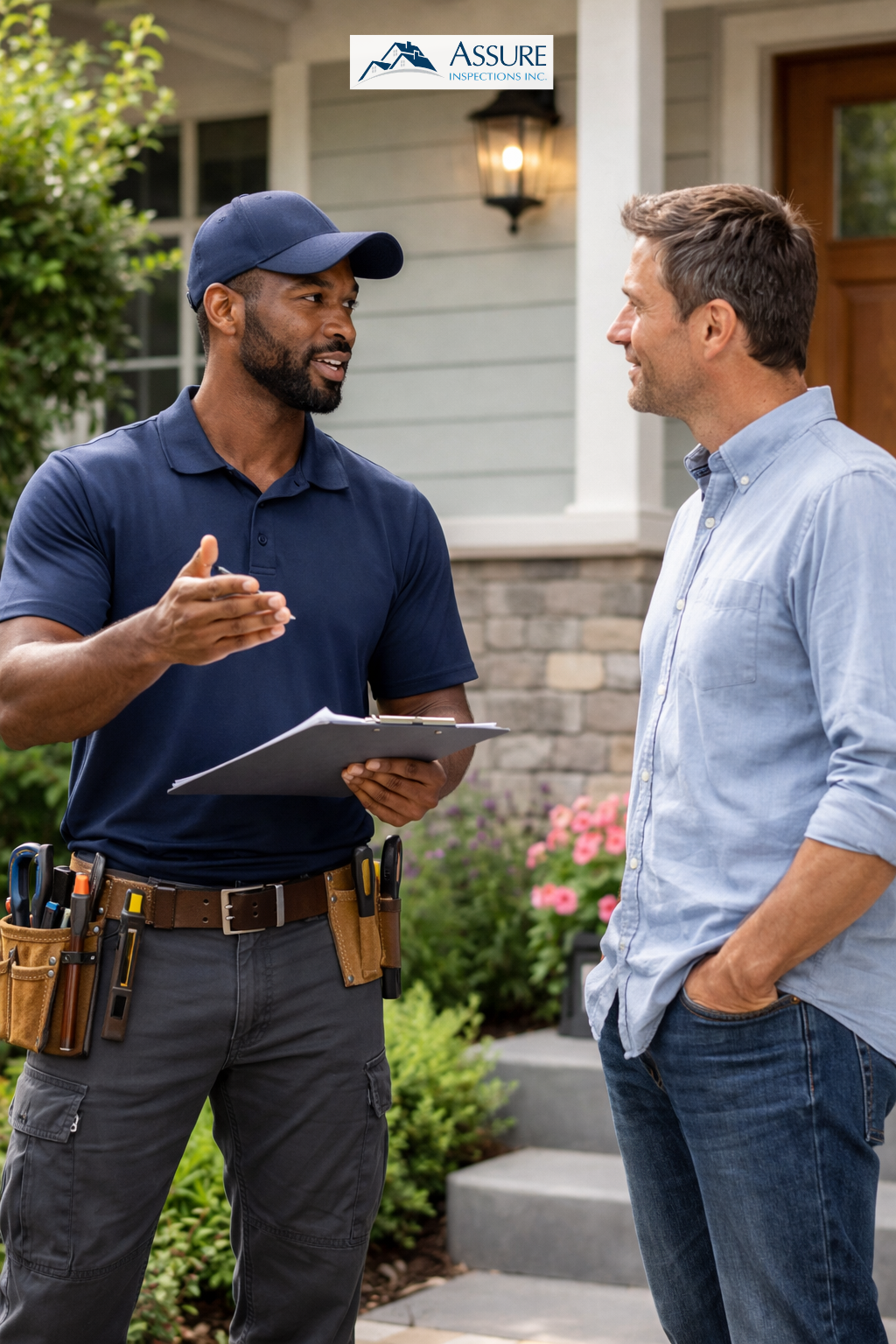
Yes, when possible, it's usually helpful for the buyer to attend the inspection. Being present allows you to ask questions, understand the priority of findings, and see concerns firsthand. Sellers don't usually need to stay on-site unless the inspector or agent requests it, but they should ensure the property is ready and accessible. The goal is to give the inspector a clear view of the home without interruptions.
What to Expect During the Walkthrough
Inspectors typically spend two to four hours at a property, depending on size, age, and complexity. They examine visible systems and components, test some functions, and take photos for documentation. They aren't trying to “pass” or “fail” the home; they are trying to describe its condition accurately. That objectivity is what makes the report useful to all parties involved.
How to Respond to Findings
Once the report arrives, review it calmly and prioritize issues based on safety, function, and cost. Some items may be cosmetic or age-related, while others may require immediate attention. If the report includes specialized recommendations, consider getting quotes from contractors or asking for further evaluation. This is where clear reporting makes a real difference because it separates urgent repairs from ordinary maintenance.
Real-World Examples From the Field
Case Study: A Seller Saved Time by Fixing Small Plumbing Issues
In one real-world example, a seller addressed several minor plumbing concerns before the inspection, including a dripping faucet and a loose supply line under a bathroom sink. Because those issues were corrected early, the report contained fewer red flags, and the buyer felt more comfortable moving forward. The result was a smoother negotiation and a faster closing. Small repairs like these rarely solve every problem, but they can influence the tone of the transaction positively.
Case Study: A Buyer Caught an Electrical Concern Early
In another case, a buyer attended the inspection and noticed the inspector discussing an unsafe electrical condition near the panel. Because the concern was identified before finalizing the purchase, the buyer was able to request repairs and avoid a much larger problem after moving in. This is a perfect example of why being present and paying attention can pay off. It also shows how a careful inspection can protect long-term value, not just short-term convenience.
Seasonal Example: Weather Can Reveal Hidden Issues
The weather often changes what an inspector sees. In spring, rain may reveal drainage problems or roof leaks, while winter can highlight insulation deficiencies or heating concerns. In communities like New Lenox, seasonal shifts can be particularly useful in uncovering problems that might be missed during dry, mild weather. That is one reason local experience matters when choosing an inspector familiar with regional housing conditions.
Why Local Knowledge and Expert Reporting Matter
Local Conditions Shape Inspection Priorities
Homes in different areas age differently based on climate, soil, construction styles, and renovation history. In New Lenox and surrounding communities, inspectors may pay particular attention to moisture management, heating performance, and older construction details that interact with Midwestern weather. Local awareness helps interpret findings more accurately and makes recommendations more practical. It also helps homeowners understand whether an issue is routine, seasonal, or urgent.
Honesty and Thoroughness Build Trust
Professional inspections should always be honest, objective, and thorough. The best reports don't exaggerate issues, but they also don't minimize them. According to industry best practices from the American Society of Home Inspectors-style best practices discussed in industry education, objectivity and transparency are essential to a dependable inspection experience. A trustworthy inspector gives you facts, clear photos, and practical next steps rather than vague impressions.
Fast, Clear Reports Help You Act Sooner
Because real estate timelines move quickly, fast report turnaround is a real advantage. When a detailed report arrives promptly, buyers can negotiate from a position of knowledge, and sellers can respond before delays build up. That speed matters even more when an issue requires specialized follow-up. In a market where timing is everything, clarity and responsiveness can make a measurable difference.
Final Tips for a Successful Inspection
Think Clean, Accessible, and Transparent
The three simplest rules of preparation are to clean the home, make all key areas accessible, and be transparent about known issues. No homeowner should try to conceal problems, and no buyer should assume the home will be perfect. Instead, the goal is to create the best possible conditions for an accurate evaluation. That approach leads to better conversations, fewer surprises, and more realistic expectations.
Use the Report as a Planning Tool
Your inspection report is not just a list of problems. It is a roadmap for maintenance, repair planning, and negotiation. Some findings may be easy fixes, while others may require budgeting or further professional review. If you treat the report as a planning document rather than a setback, you will make smarter decisions about the property’s future. For homeowners who want to stay proactive, our fireplace inspection and driveway inspections can also help protect safety and value over time.
Take the Next Step With Confidence
Preparing your home for inspection does not need to feel overwhelming. With a clear checklist, good documentation, and attention to the major systems, you can make the process smoother and more productive. Whether you are buying, selling, or maintaining your home, a careful inspection gives you the information you need to move forward with confidence. If you are ready for professional support, Assure Inspections Inc. is here to help with trustworthy service, detailed reporting, and a commitment to your peace of mind.
To learn more about our home inspection services or to schedule an appointment, visit Assure Inspections Inc. or contact our team at (708) 692-7877. You can also stop by our office at 2 Ford Dr Suite H, New Lenox, IL 60451, USA. When you want an inspection experience that is thorough, clear, and dependable, choosing the right partner makes all the difference.