When you're checking out a home, whether you're buying or just keeping up with maintenance, taking a good look at the outside can make a big difference. It's not just about looks; it's about spotting issues that could impact safety, how well your home works, and its value down the road. From the roof to the driveway, every bit of your home's exterior faces rain, sun, wind, and shifting ground. Catching small problems early can save you from big repairs.
Let's dig into what parts of your home are checked during an exterior inspection, why each part is important, and how you can use this info to take care of your property. If you're weighing options, check out our pages on exterior inspections and roofing system inspection to see what a thorough inspection includes.
Today, high-tech tools make inspections even better. Thermal imaging, for instance, can uncover hidden moisture, missing insulation, air leaks, and electrical issues before they become apparent. Recent trends show that as the housing market steadies, buyers are asking for more detailed inspections, meaning the home's exterior gets more attention. For more on home safety, the U.S. Consumer Product Safety Commission is a great resource.
Why Exterior Home Inspection Matters
Keeping Water and Weather Out
Your home's exterior is the first shield against water getting in. A damaged roof, poor drainage, cracked siding, or bad caulking can let moisture inside, leading to rot, mold, and hidden damage. Weather exposure is nonstop, so issues can sneak up over time. That's why a detailed inspection can save you from expensive repairs later.
Safety First, Avoid Big Surprises
Exterior checks also find safety problems like loose handrails, uneven paths, worn-out steps, damaged garage entry points, and trip hazards around your property. These are important for both buyers and current homeowners. Data shows roof issues pop up in a lot of inspections, along with electrical concerns, which is why checking both the outside and systems together is smart. Learn more about our approach to structural components inspection and electrical system inspections.
Helping with Real Estate Decisions
A solid exterior inspection report can give buyers better negotiating power and help sellers figure out what to fix before listing. For homeowners, it’s a maintenance plan. When inspectors point out what needs fixing now, what can wait, and what to keep an eye on, the report becomes a handy tool rather than just a piece of paper.
The Roof: The Most Important Exterior Part
Shingles, Flashing, and Wear and Tear
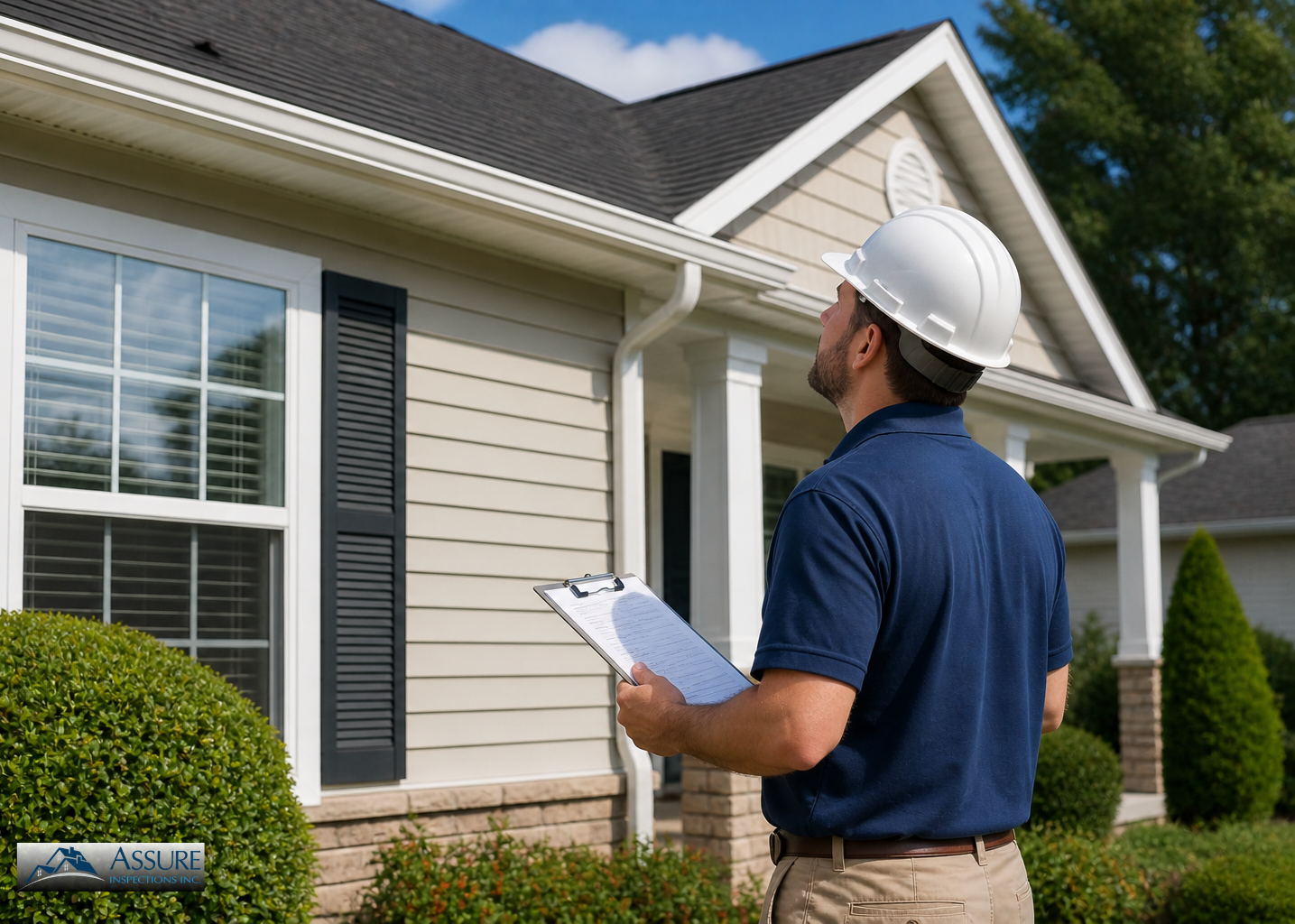
Inspectors start with the roof because it protects your whole home from the elements. They check for missing, cracked, curling, or loose shingles, and look at flashing around chimneys, skylights, vents, and valleys. A sagging roof could mean structural issues, while stains might hint at past leaks. Roof problems are common, so catching them early is key.
Gutters, Downspouts, and Drainage
Inspectors also check if gutters and downspouts are firmly attached, clear of blockages, and directing water away from the foundation. Overflowing gutters can soak siding, fascia, and soil near the house, upping the risk of basement leaks and foundation issues. Even if a roof looks good from the ground, bad drainage can cause major damage over time.
Why Roof Ventilation and Attic Conditions Matter
How well your roof performs is linked to attic ventilation and insulation. Poor airflow can cause moisture buildup, ice dams, and early shingle wear. That's why pairing a roof check with an attic review often works best. Our attic, insulation, & ventilation inspection can spot hidden issues that affect the roof from below.
For more on roofing and moisture prevention, the U.S. Department of Energy has helpful info on building performance.
Siding, Trim, and Exterior Walls
Cracks, Warping, and Rot
Inspectors look at exterior walls and siding for signs of wear, gaps, soft spots, and seam separation. Wood siding might show rot or insect damage, while vinyl or fiber cement could have cracks, warps, or loose panels. Trim around windows, doors, and roof edges is checked too, as they often reveal where water might be getting in.
Ground Clearance and Moisture Control
Proper clearance between siding and soil is more important than many think. If materials are too close to the ground, moisture can climb up and cause damage. Inspectors also check for splashback from hard surfaces, clogged drainage, or grading that pushes water toward the house. In areas with freeze-thaw cycles, these issues can get worse fast. For water-related exterior concerns, our grading & drainage inspections offer a closer look.
Caulking, Sealants, and Joint Protection
Seals around joints, penetrations, and trim are checked for age and separation. Old or missing caulk might seem minor, but it can let in moisture and air. Over time, these small failures can impact insulation, comfort, and even utility costs. Exterior inspections catch these small issues before they become big structural repairs.
Windows and Doors: Small Openings, Big Impact
Glass, Screens, and Frame Condition
Windows and doors are checked for broken glass, failed seals, damaged screens, warped frames, and decay. Inspectors look for signs that they don’t open, close, or lock properly, which can point to settling, moisture damage, or aging hardware. Broken seals in insulated glass units can also lower energy efficiency and cause fogging between panes.
Air Leaks, Water Entry, and Security Concerns
Poorly sealed windows and doors can let in drafts and moisture. Even tiny gaps can affect comfort during extreme weather. Doors are checked for proper latching, weatherstripping, and alignment, since security and weather protection depend on a good fit. For more on entry-point issues, see our Comprehensive Exterior Home Check article.
Why These Details Matter for Energy Efficiency
National building guidance highlights the importance of air sealing for comfort and performance. The U.S. Department of Energy notes that uncontrolled air leaks can waste energy and reduce comfort, which is why exterior openings need careful attention. If a report shows repeated seal failures, it could mean a bigger maintenance need rather than a one-time fix.
Foundation, Crawl Space, and Basement Clues
Visible Cracking, Settling, and Movement
Even if the foundation is out of sight, the exterior inspection often gives the first hints of trouble. Inspectors look for stair-step cracks, horizontal fractures, bowing, or separation between the foundation and siding. These might indicate settling, soil movement, or drainage issues. A single crack isn't always a sign of failure, but patterns and progression are important.
Moisture Intrusion and Grading Issues
Water around the home's base is a major warning sign. Poor grading, short downspouts, clogged yard drains, or a negative slope can all direct water toward the foundation. In severe cases, exterior problems lead to basement moisture or crawl space dampness. For a deeper look at below-grade issues, our foundation & crawl space inspections and basement inspections are great complements to an exterior review.
Why Local Climate Makes This Area More Important
In places like New Lenox, IL, harsh winters and heavy rain can speed up foundation wear through freeze-thaw cycles and repeated saturation. As soil expands and contracts, small defects can grow quickly. That's why exterior and structural observations should be taken seriously, even if the interior looks fine.
Decks, Porches, Steps, and Walkways
Surface Wear and Structural Safety
Decks, porches, stairs, and walkways are often used but not always well-maintained. Inspectors check for loose boards, corroded fasteners, soft wood, leaning railings, and unstable steps. These issues can be serious since they affect daily safety. A deck that looks sturdy might have hidden problems under the surface boards.
Trip Hazards and Drainage Around Paths
Walkways are checked for cracks, heaving, uneven settlement, and drainage problems that can cause slips or trips. Surfaces sloping toward the house are also a concern because they can push runoff toward the foundation. Simple maintenance, like sealing concrete and keeping joints clear, can reduce trouble. If exterior concrete is an issue, our driveway inspections can help pinpoint related surface and drainage problems.
When Rails and Landings Need Attention
Handrails and landings are more than just convenient; they're safety features. Inspectors check if railings are secure and properly sized. In older homes, these features might not meet current standards even if they were okay when built. Catching these deficiencies early reduces liability and improves daily usability.
Driveways, Sidewalks, and Site Grading
Cracks, Settlement, and Surface Deterioration
Driveways and sidewalks show the effects of age, soil movement, and weather. Inspectors note significant cracks, surface scaling, sinking, or separation from nearby structures. While cosmetic wear is common, big shifts or repeated damage might reveal drainage or substrate issues. These problems can create hazards and also show broader site movement.
How Grading Protects the Home
Grading inspection is a key part of exterior evaluation because water should flow away from the structure, not toward it. Poor grading can soak soil around the foundation and lead to basement leaks or crawl space moisture. The best way to manage this risk is to understand the relationship between roofs, gutters, downspouts, and surrounding soil. A solid grading plan works like a protective system for the whole property.
Case Example: A Drainage Issue Caught Early
In one real-world case, a homeowner in New Lenox scheduled a thermal imaging-focused inspection after noticing a damp smell near the upper level. The exterior review revealed runoff pooling near one side of the foundation, and further evaluation showed moisture migration that had not yet caused visible interior staining. Fixing the drainage pattern prevented mold growth and much more expensive repairs later. This shows why exterior observations should be connected to the rest of the home system.
For more on water intrusion and moisture risks, the Environmental Protection Agency offers helpful resources.
Garage, Fireplace, and Other Exterior Access Points
Attached Garage Concerns
Attached garages are part of the exterior review because they can introduce structural and safety issues. Inspectors check garage door operation, weather seals, fire separation details, and moisture around the slab or entry points. Poor sealing between the garage and living space can also impact air quality and energy loss. If the garage connects directly to the house, problems here can be especially important.
Fireplace and Chimney Exterior Review
When a fireplace or chimney is visible from outside, inspectors assess the masonry, flashing, cap, crown, and general stability. Cracked mortar or failing flashing can let water into the roof system or chimney structure. For homes with active fireplaces, a focused fireplace inspection adds another layer of safety and can reveal hidden defects that are easy to overlook during a general walkthrough.
Why Access Points Deserve Attention
Exterior access points often combine weatherproofing, safety, and structural concerns. That makes them high-value inspection targets. A door that sticks, a garage seal that has failed, or a chimney that shows masonry decay may seem isolated, but each issue can affect how the home performs as a whole.
How Inspectors Use Modern Tools and Best Practices
Thermal Imaging and Moisture Detection
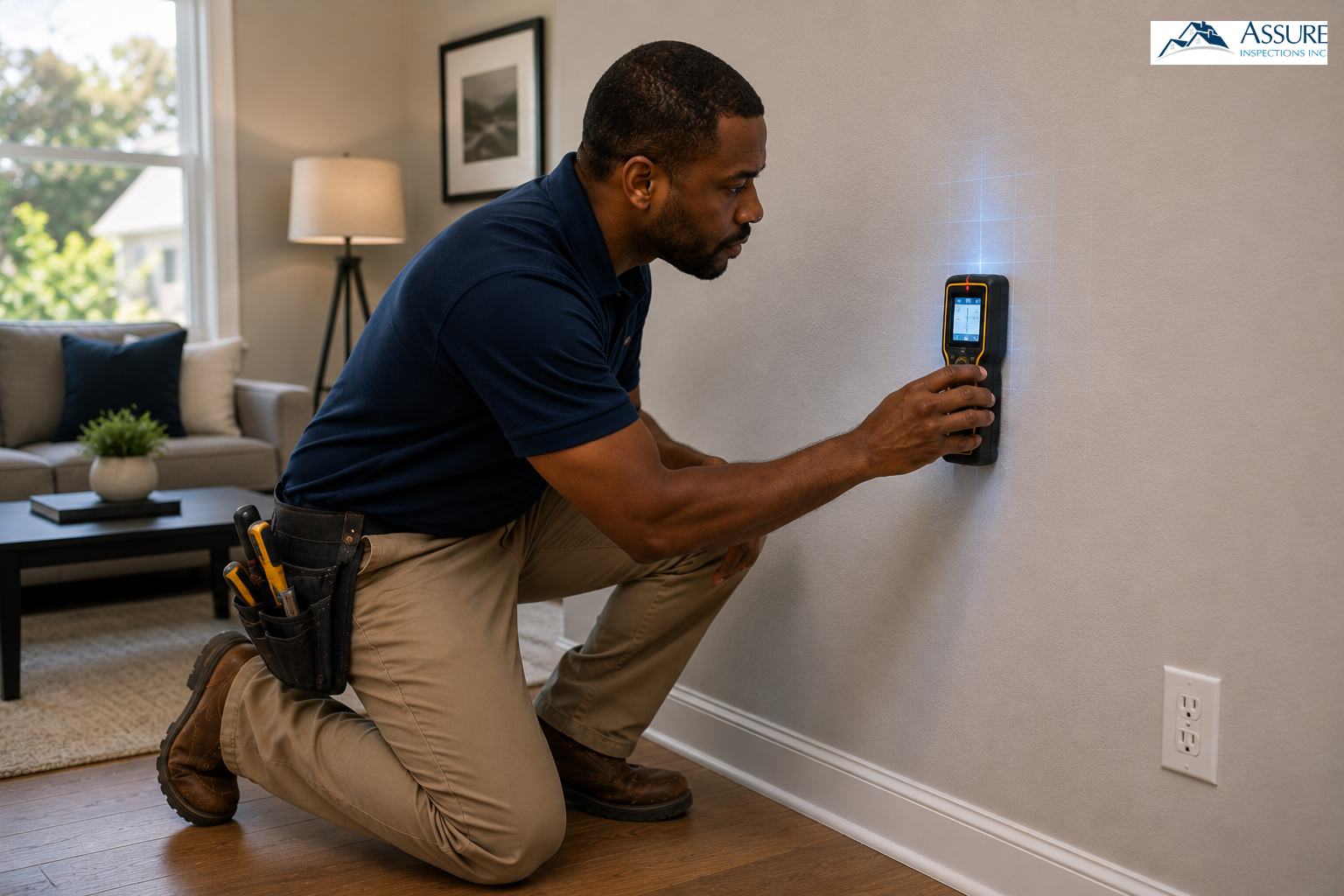
Thermal imaging is no longer viewed as an optional luxury in many inspection settings. It can help identify temperature differences that suggest insulation gaps, hidden moisture, or electrical anomalies. While thermal imaging does not replace visual inspection, it enhances what the inspector can see and supports a more complete evaluation. That is especially useful when exterior symptoms are subtle, but the underlying issue is active.
Photographs, Reports, and Prioritization
Professional reports should do more than list defects. They should explain severity, likely causes, and next steps. Clear photos make it easier for buyers, sellers, and homeowners to understand what the inspector found. This is one reason why homeowners often choose services that provide actionable recommendations rather than vague observations. For a more complete overview, visit our complete guide to what a home inspection includes.
Standards and Professional Reliability
Reliable inspections are based on recognized standards and consistent methodology. The American Society of Home Inspectors provides general educational information about inspection practices. Understanding these standards helps homeowners know what a quality inspection should cover and why detailed documentation matters.
How Often Should Exterior Inspections Be Done?
Routine Timing for Homeowners
As a general rule, many homeowners benefit from a thorough exterior inspection every three to five years, even if there is no major problem showing on the surface. That timeline may shorten if the home is older, exposed to heavy weather, or has a history of leaks. Regular reviews also make it easier to catch gradual changes before they become severe.
After Storms, Freeze-Thaw Cycles, or Visible Damage
If a property experiences hail, wind, heavy rainfall, or winter ice events, scheduling an inspection sooner is smart. Seasonal damage often appears after a delay. Missing shingles, cracked caulk, loose siding, or shifted grading can be easy to miss without a professional eye. In climates with repeated freeze-thaw cycles, timing matters even more.
When Buyers and Sellers Should Act
Buyers should always consider an exterior inspection before closing, especially if the home is older or has visible wear. Sellers may choose to inspect before listing so they can handle repairs in advance or price appropriately. If you are in the market or preparing to sell, a local review through New Lenox, IL service coverage can help you approach the process with more confidence.
What Homeowners Can Do Between Inspections
Simple Maintenance That Prevents Big Repairs
Between professional visits, homeowners can reduce risk by keeping gutters clear, checking caulking, trimming vegetation away from siding, and monitoring for standing water near the foundation. It also helps to inspect visible rooflines, windows, and door seals after storms. These habits do not replace a professional evaluation, but they can reduce the chance of hidden damage growing unnoticed.
Watching for Warning Signs
Look for peeling paint, stains around windows, soft spots in trim, mildew smells, or cracks that appear to widen over time. On their own, these signs may seem minor. Together, they can point to a moisture or movement issue that deserves attention. If you notice repeated problems in one area, that is usually a sign that the underlying source has not been resolved.
Working with a Trusted Inspection Partner
Exterior inspection results are most useful when they are explained clearly and paired with practical next steps. At Assure Inspections Inc., we help homeowners understand what matters most, which items need immediate attention, and which items can be monitored over time. If you need a more detailed review of exterior conditions, our team is ready to help with a thorough, professional assessment.
Final Thoughts: Why Exterior Checks Should Never Be Overlooked
Exterior home inspection is about much more than checking whether the house looks good from the curb. It is a systematic review of the building’s protective shell, drainage path, and visible structural clues. Roofs, siding, windows, doors, foundations, walkways, garages, and chimneys all work together, and a weakness in one area can affect the others.
By understanding what exterior elements are checked in a home inspection, homeowners can make smarter maintenance decisions, and buyers can better protect their investment. If you want a professional opinion, detailed reporting, and honest recommendations, explore our exterior inspections or contact Assure Inspections Inc. at (708) 692-7877 or office@assurehomeinspector.com. A careful inspection today can prevent costly surprises tomorrow.