Why Even a Modern House Needs a Professional Inspection
Modern homes often look perfect: shiny finishes, sleek layouts, and modern appliances. But looks can be deceiving. A professional home inspection digs deep and finds hidden issues, safety concerns, and long-term maintenance needs that you might miss in a quick tour. If you're buying, selling, or just owning a home, relying only on what you see might mean missing key problems that impact safety and value. For more on why inspections are vital, the U.S. Department of Housing and Urban Development offers useful tips for homebuyers here.
At Assure Inspections Inc., our certified inspectors bring experience and the latest tech to give you a thorough check-up of your home. Even with new construction and smart-home gadgets, you need an inspector who knows the ropes and has the right tools. From checking the structure and mechanics to spotting environmental hazards, a professional inspection helps prevent costly surprises. Finding issues early saves you time, money, and hassle, plus it gives you a report that can help in negotiations or planning maintenance.
We'll explain what inspectors look for in modern homes, talk about industry trends like AI and digital reporting, share stats and stories, and give you steps to find a qualified inspector. We'll also point out services and local tips for homeowners around New Lenox, IL, and share resources for further reading.
Common Misconceptions About New and Modern Homes
New Doesn’t Mean Perfect
Many think new or recently renovated homes are flawless. But construction is often rushed due to tight schedules and budgets, leading to missed defects. New homes can have issues like bad window flashing, leaky plumbing, or unbalanced HVAC systems. Inspectors use checklists to ensure systems work right and meet building standards.
Modern materials and construction methods differ from older ones, so inspectors need to know new failure modes. For example, engineered floor systems and new exterior materials behave differently than traditional ones. Without a careful inspection, problems can go unnoticed until they turn into expensive repairs.
Getting an inspection for a new property gives you a snapshot of its condition when you need it most. This documentation can be crucial for warranty claims, holding contractors accountable, and planning future maintenance. It also helps buyers negotiate if defects are found.
Workmanship and Installation Issues
Modern finishes and hidden systems can hide workmanship mistakes. A perfect paint job might cover up bad sealing or water leaks behind walls, while recessed lighting might show fire-blocking issues. Inspectors look beyond the surface to check installation practices and compliance with standards.
While permits and contractor credentials are important, they don’t replace an inspection. Inspectors can find bad flashing, missing vapor barriers, or poor electrical connections that pose risks. These aren't obvious but can cause long-term damage if not fixed early.
Spotting workmanship issues early lets buyers ask for repairs or price adjustments. Sellers can use a pre-listing inspection to fix problems in advance, avoiding last-minute surprises in negotiations.
Systems Age Differently Than Surfaces
Surfaces like paint and flooring often look newer than the home's mechanical systems, which wear out over time. HVAC systems, plumbing, and electrical setups might have hidden defects despite a nice interior. Inspectors check major systems for stress, poor installation, or neglect that could lead to failure.
Smart-home systems add complexity; networking gear, smart thermostats, and sensors need proper installation and power. While inspectors don't certify software, they spot installation issues, bad wiring, and unsafe setups that could affect reliability.
Knowing the condition of systems helps plan budgets for replacements and maintenance, avoiding unexpected expenses.
What a Professional Inspection Covers
Structural Components and Foundations
Inspectors check the structure of a home, including the foundation, walls, beams, and attic. They look for settling, cracks, moisture, and wood rot that signal deeper issues. A structural evaluation shows if the home is stable or needs repairs. For foundation concerns, a focused inspection can offer more detail.
Modern foundations might use slab-on-grade construction with control joints and moisture barriers. Inspectors check grading, drainage, and stress signs that could affect stability. They also evaluate crawl spaces or basements for moisture and insulation gaps that impact durability.
Early documentation of structural issues lets buyers request repairs or price changes, and gives homeowners a chance to address concerns before they become costly problems.
Roofing, Exterior, and Drainage
Inspectors evaluate the roof and exterior to prevent water intrusion, which can cause mold and rot. For detailed roof checks, a roof inspection identifies missing flashing, damaged shingles, or defects.
Grading and drainage affect how water flows around the property. Poor drainage can cause basement moisture problems. A drainage inspection is key when landscaping might direct water towards the home.
Inspections also cover porches, decks, railings, and driveways, which can be safety risks if not maintained. A driveway inspection and similar evaluations reveal hazards and guide repairs.
Electrical, Plumbing, and Mechanical Systems
Inspectors check electrical panels, circuits, and grounding to ensure safety. Modern homes often have more electrical loads, so ensuring the system is adequate is crucial. An electrical inspection can spot overloaded circuits or fire hazards.
Plumbing inspections cover supply lines, drains, and fixtures for leaks and issues. Inspectors look for backflow risks and hidden leaks that cause mold or damage. A plumbing inspection documents water system conditions and maintenance needs.
Heating and cooling systems are checked for safety and performance. Inspectors evaluate furnaces and other systems for venting and thermostat operation. For specific heating concerns, our heating inspections focus on efficiency and safety.
Technology Transforming the Home Inspection Industry
AI, Predictive Maintenance, and Efficiency Gains
The home inspection industry uses advanced tech to improve accuracy. AI tools help inspectors analyze images and predict likely failure points based on data. Research shows AI can cut inspection time by 30% and improve customer satisfaction by 40%. Predictive tools may reduce repair costs by 25%.
AI doesn't replace inspectors; it helps them by flagging issues and organizing photos. Inspectors still do hands-on assessments, but AI speeds up reporting and delivers high-quality results.
Cloud-based platforms let inspectors deliver polished reports with photos and repair guidance. These tools increase transparency and allow clients to share reports quickly with contractors or agents.
Advanced Tools: Thermal Imaging and Drones
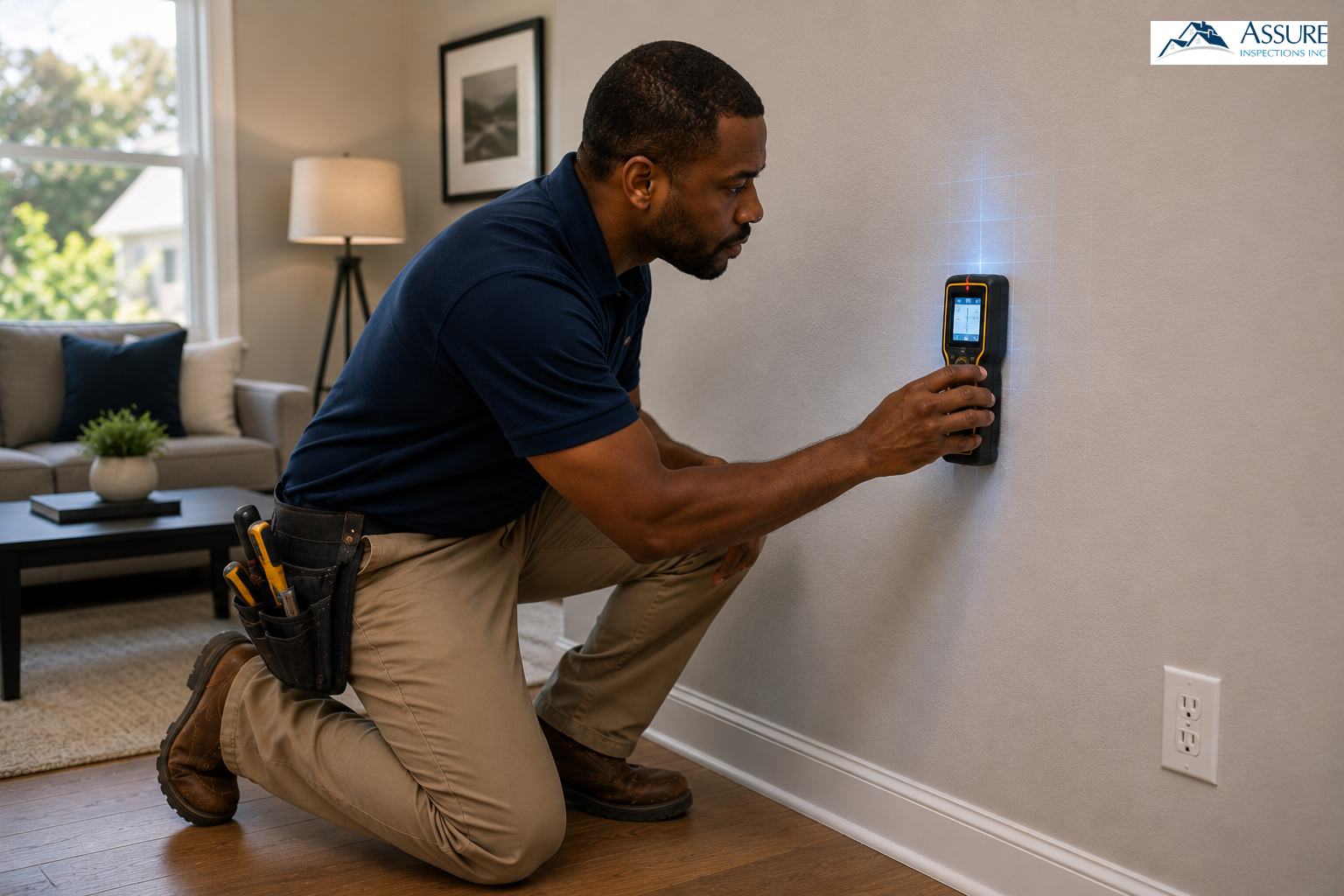
Infrared cameras find temperature differences that could mean moisture or electrical hotspots. These cameras help locate hidden leaks or missing insulation that a visual check might miss. Thermal imaging is valuable in modern homes with complex assemblies.
Drones offer safe access to high roofs, chimneys, and large properties, providing high-resolution images without ladders. This speeds up inspections and gives clear views of building components.
Combining drone images with thermal scans and AI analysis creates a detailed record for liability protection and repair scopes. Inspectors using these technologies offer more complete evaluations.
Digital Reporting and Client Experience
Digital reports change how inspection results are shared. Cloud platforms standardize findings, present action items, and include annotated photos. This reduces confusion and helps clients act quickly on repairs or maintenance.
Interactive reports help track items over time and share sections with contractors. A well-structured report encourages transparency and smooth communication during transactions. For more on how technology reshapes inspections, see our post on technology in home inspections.
Technology helps inspectors deliver clear recommendations, but their experience remains key to understanding findings and advising clients.
Safety and Health Concerns That Require Expert Attention
Radon, Mold, and Indoor Air Quality
Invisible hazards like radon and mold can affect health and home value. Radon can build up to dangerous levels; the U.S. Environmental Protection Agency offers guidance on testing and mitigation here. Mold can grow from hidden moisture and cause respiratory issues. Inspectors identify conditions that promote mold and suggest testing or remediation.
Inspectors evaluate ventilation and moisture paths to recommend fixes for better air quality. Fixing attic insulation, exhaust, and drainage issues reduces mold risks. Radon or mold testing may be recommended based on findings and local risks.
Addressing environmental hazards protects health, reduces remediation costs, and strengthens home sale defensibility with documentation.
Electrical Safety and Fire Risks
Modern homes have more electrical devices, increasing demand. Inspectors look for overloaded circuits and unsafe panels that could lead to fires. Common issues include incorrect breaker sizes and lack of protection where needed. Fixing these hazards helps prioritize electrical upgrades.
Inspectors also check smoke and carbon monoxide alarms for placement and function. Ensuring alarms are present and working boosts safety. A fireplace inspection checks appliances and chimneys for fire or carbon monoxide risks.
Proactive electrical and fire-safety recommendations lower the chance of disasters and can affect insurance terms and premiums.
Hazardous Materials in Older Components
Modern homes use fewer hazardous materials, but older ones may have lead paint, asbestos, or oil-based finishes. Inspectors note conditions that suggest hazardous materials and recommend testing when needed.
Knowing about hazardous materials helps plan safe renovations and meet disclosure requirements during sales. Remediation varies by material, and a documented inspection directs the right professionals to the job.
Professional inspections outline how to handle hazardous materials responsibly and protect families during renovations.
Financial and Long-Term Value Benefits of Early Detection
Negotiation Leverage and Informed Purchases
Inspection findings provide leverage in negotiations. Buyers can request repairs or price changes based on documented issues. Sellers who fix problems in advance often have smoother closings.
Inspections reduce uncertainty for buyers and help decide whether to proceed with a purchase, renegotiate, or walk away. A prioritized repair list helps plan budgets and timelines, preventing financial strain after buying.
Inspections also protect mortgage lenders by documenting a property’s condition, which is why many lenders encourage or require them for high-value transactions.
Lower Long-Term Maintenance and Repair Costs
Early detection of minor issues can prevent major repairs. Fixing a small roof leak early avoids widespread damage. Predictive tools and AI analysis help spot components likely to fail, allowing for proactive scheduling of repairs.
Inspection reports give homeowners a roadmap for maintenance expenses. This approach spreads repair costs over time, making homeownership more predictable and less stressful.
Sellers who complete recommended repairs from pre-listing inspections can boost buyer confidence and reduce negotiation hiccups.
Insurance, Warranties, and Resale Value
Inspections influence insurance decisions and claims. Fixing hazards like electrical defects or drainage issues helps ensure coverage eligibility and may lower premiums. Some insurers require repairs before issuing policies, and inspections make these needs clear.
Home warranty providers often need clear documentation of pre-existing conditions before coverage starts. An inspection helps distinguish between existing defects and new damage, protecting both the homeowner and warranty provider.
For resale, a well-documented inspection history boosts buyer confidence and streamlines future transactions by reducing unknowns about the home’s condition.
How to Choose a Qualified Home Inspector
Certifications, Standards, and Professionalism
Look for inspectors certified by reputable organizations that follow recognized standards. The American Society of Home Inspectors offers resources on inspection standards here.
Certifications signal commitment to quality. Ask about ongoing education, professional memberships, and whether the inspector carries liability insurance. These factors show the inspector takes responsibility for their work.
Transparent communication, sample reports, and client references also help evaluate professionalism and report quality.
Tools, Technology, and Specialties
Ask about the tools inspectors use and if they offer specialized testing like radon or thermal imaging. Inspectors with modern equipment provide clearer findings. For instance, thermal imaging can spot insulation voids and moisture that aren't visible.
Some properties need specialty inspections—ask if the inspector can coordinate referrals for systems like pools or HVAC units.
Request a sample report to see the level of detail and format you'll receive. Quality reports include photos, descriptions, and prioritized issues for informed decisions.
Questions to Ask Before Hiring an Inspector
Before hiring, ask about the inspector’s background, inspection duration, and what's included. Ask how findings are communicated and how quickly a report is delivered. Inspectors should explain concerns, follow-up procedures, and when specialized testing is needed.
Check how they handle re-inspections after repairs and if they provide ongoing client support. A strong inspector-client relationship continues after the report, with the inspector available to clarify findings.
Finally, confirm that the inspector provides clear service terms and carries liability coverage. This transparency protects both parties and sets expectations for the inspection.
Real-World Case Studies and Local Relevance
Case Study: Digital Reporting and Operational Efficiency
A great example shows how tech improves outcomes. Premier Home Inspections in Phoenix used a cloud-based platform for reports, which led to consistent reports, faster delivery, and happier clients. The digital format made it easy to understand findings and proceed with repairs. This case shows how experienced inspectors using modern tools enhance service quality.
Assure Inspections Inc. uses similar practices, providing clear, photo-rich reports and actionable recommendations so clients can decide promptly. Digital reports also help track maintenance and support transparency in real estate deals.
Quick, thorough reports benefit buyers and sellers who need to move fast in competitive markets.
Local Considerations for New Lenox Homeowners
In areas like New Lenox, IL, a mix of new and old neighborhoods presents unique challenges. Local inspectors who know regional building codes and weather impacts provide valuable context that national inspections might miss. Familiarity with local contractors and environmental concerns helps identify common issues.
Regional factors like freeze-thaw cycles affect exterior systems and foundations. Inspectors who know Illinois conditions understand how these factors influence maintenance and failure patterns, offering targeted recommendations.
If you're in New Lenox, pick an inspector who knows local conditions and can guide you through region-specific issues like radon needs or furnace maintenance.
How Local Inspections Protect Your Investment
Local inspections document issues impacting resale and insurance. A professional inspection in your area shows buyers the property meets local standards, reducing uncertainty. Sellers who fix issues often attract buyers faster and at better terms.
For homeowners, inspection-based maintenance plans tailored to local conditions extend system life and maintain value. This local knowledge helps prioritize impactful repairs year-round.
At Assure Inspections Inc., we combine national standards with local experience for practical inspections in New Lenox and nearby communities. Our inspectors explain findings and recommend trusted local contractors for repairs.
Comprehensive FAQs: Practical Answers from Industry Experts
Why is a professional inspection necessary for a new home?
Even new builds can have issues from rushed timelines or material defects. A professional inspection ensures systems are installed right and finds items covered under warranties. Inspections provide a baseline for the home’s condition and ensure builder repairs are completed before closing.
Documentation from an inspection supports warranty claims and encourages builder accountability. Buyers gain peace of mind and evidence for remediation if defects are found.
Scheduling a full inspection for a new home protects your investment and ensures defects are addressed under warranty.
What does a standard home inspection include and how long does it take?
A typical inspection covers structure, roofing, systems, and more. Inspectors usually spend 2-4 hours on-site for a single-family home. Reports are prepared with photos and recommendations, with digital reports delivered in 24 to 48 hours.
Longer inspections, like those with radon testing, take more time and may be add-ons.
How do I choose the right inspector for my property?
Pick inspectors with certifications, references, and experience with similar properties. Review sample reports, ask about tools, and verify insurance and affiliations. A good inspector communicates clearly and makes actionable recommendations.
Ask for the standard scope and how they handle follow-ups and re-inspections. A local inspector familiar with regional practices adds value, especially in areas with unique conditions.
Hire an inspector who encourages you to attend the inspection to see findings firsthand and ask questions about maintenance.
Conclusion: Protect Your Modern Home with a Professional Inspection
Modern homes offer comfort and style, but they aren't immune to problems. Professional inspections provide a thorough check to identify issues that affect quality of life and financial outcomes. With certified inspectors, the latest tools, and clear reporting, homeowners and buyers can make informed decisions and plan repairs and maintenance.
Assure Inspections Inc. delivers tailored evaluations for modern systems and local conditions. Whether you need an attic inspection, a full interior inspection, or a basement inspection, our team provides clear findings and actionable advice. We serve New Lenox and nearby communities with detailed reports and post-inspection support to protect your investment.
Don't rely on looks alone—schedule a professional inspection to understand your home's true condition. Contact Assure Inspections Inc. at (708) 692-7877 or email office@assurehomeinspector.com to book an inspection or request a sample report. Protect your home's safety and value with a qualified inspection by experienced professionals.
For more on the inspection process, visit our website at AssureHomeInspector.net or call us today. Let an expert evaluation give you peace of mind.