Essential Guide: What Is a Vapor Barrier and Why Your Crawl Space Needs One?
Hey there! If you're a homeowner with a crawl space, you might want to know about vapor barriers. They play a big role in keeping your home safe from moisture issues. We'll dive into what vapor barriers do, why they're important, and how to install them. Plus, we’ll give you some tips and examples that are particularly useful if you're in New Lenox, IL. Let’s get started!
Thinking about selling your home, planning a renovation, or just want to avoid future headaches? Understanding the basics of vapor barriers is a great place to start. If you’re interested in a more professional assessment, our team offers foundation & crawl space inspections to identify any moisture risks and suggest effective solutions. This guide is here to help you notice the warning signs and decide if it's time to call in the pros.
What Is a Vapor Barrier?
Definition and Primary Function
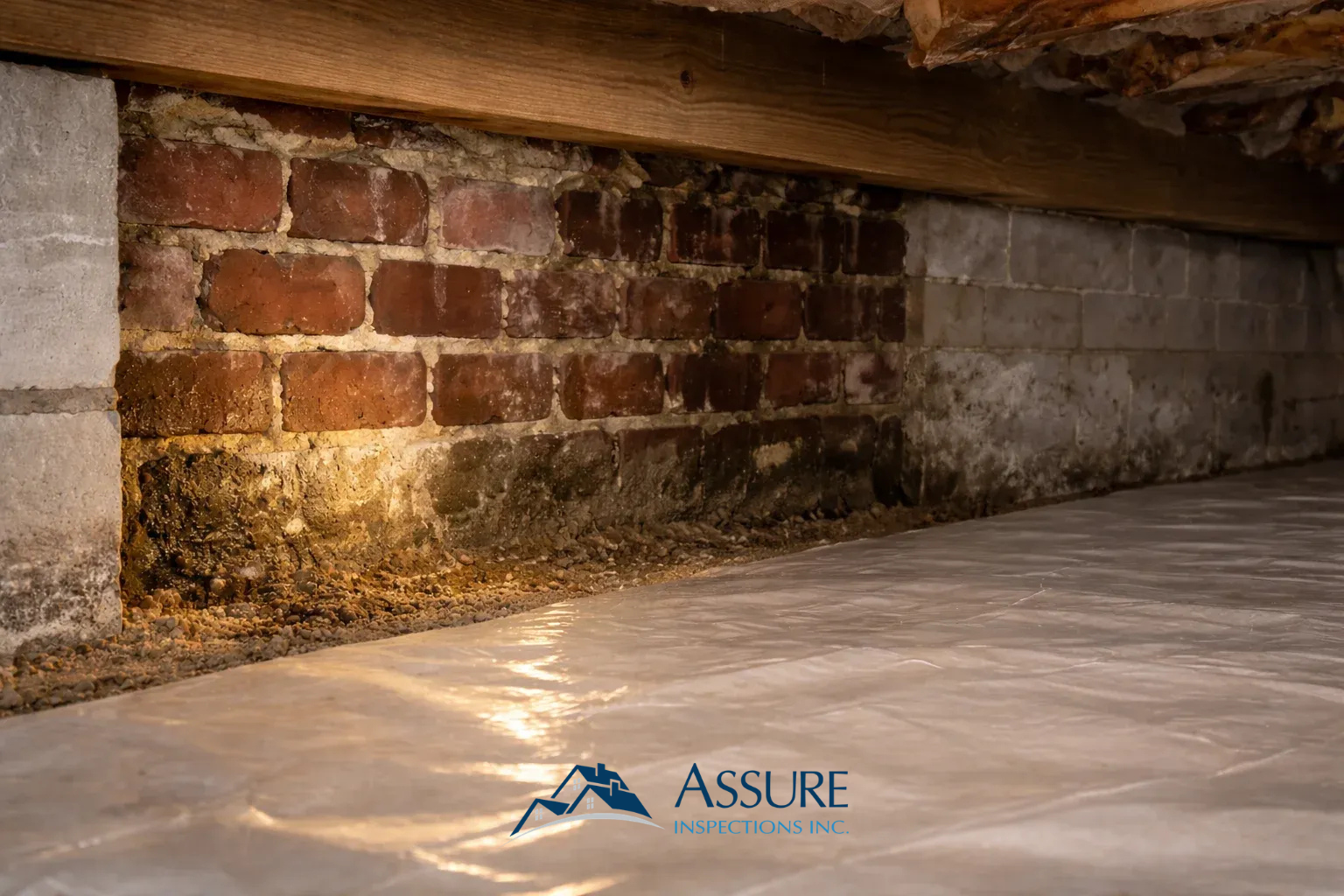
So, what exactly is a vapor barrier? It's a layer of material laid down on the floor of your crawl space to stop moisture from creeping into your home. It's mainly there to control humidity and prevent water vapor from condensing on cooler surfaces in your crawl space. By creating a barrier between the soil and your home's structure, it helps keep mold, wood rot, and pests at bay.
How Vapor Barriers Work Physically and Hygienically
Vapor barriers are all about reducing the moisture difference between the ground and the air in your crawl space. When installed correctly, they keep humid air from the ground from raising the humidity inside, which means less condensation on joists, ducts, and pipes. Lower humidity means better indoor air quality too, as it reduces the chance of mold spores spreading into your home.
Common Signs That a Barrier Is Needed
Wondering if your home needs a vapor barrier? Look out for musty smells, mold in the crawl space, damp insulation, or condensation on pipes. You might also see rot on floor joists or staining on foundation walls. Spot any of these signs? It might be time to address moisture issues in your crawl space to protect your home's structure and air quality.
Why Crawl Spaces Specifically Need Vapor Barriers
Moisture Control and Humidity Reduction
Crawl spaces are particularly prone to moisture because they sit right above the ground. Without a vapor barrier, moisture from the soil can raise humidity levels, creating a perfect environment for mold and wood decay. A vapor barrier can bring humidity down to a safer level, around 50 percent, which means less mold and damage.
Mold Prevention and Health Impacts
Mold in crawl spaces isn't just a structural issue; it can also affect your health. Mold spores can get into your living space, causing allergies and respiratory problems. Vapor barriers are a key part of keeping moisture under control, along with good ventilation and drainage. The Environmental Protection Agency has some great tips on mold prevention and the health risks of moisture problems if you want to learn more.
Protecting Structural Components and Home Value
Moisture in the crawl space can wear down your home's wooden structures, leading to expensive repairs. Homes with well-installed vapor barriers tend to have longer-lasting foundations and fewer structural issues. Keeping these elements in good shape helps maintain your home's value and reduces the chance of big, costly repairs down the line.
Types of Vapor Barriers and Material Choices
Polyethylene Sheeting: From 6-mil to 20-mil
Polyethylene sheeting is a popular choice for vapor barriers because it's easy to find and doesn't break the bank. The thickness of the sheeting is measured in mils. The thicker it is, the more durable it is. A 6-mil sheet is pretty standard, but if you want something tougher, a 10-20 mil might be your best bet.
Reinforced Liners and Multi-Layer Systems
Reinforced liners are tough. They have woven layers that make them resistant to tears, especially helpful in demanding environments. Some systems even include a reflective or insulating layer to help with heat control. These options are great if you’re looking for something that will last and can handle a bit of wear and tear.
Encapsulation Solutions and Integrated Insulation
Encapsulation is a step up from just laying down a floor barrier. It usually includes sealing the walls, adding insulation, and sometimes conditioning the space. Modern systems might use foam panels to keep the area sealed tight. This not only controls moisture but can also improve energy efficiency by keeping temperatures stable.
Installation Best Practices: Step-by-Step Guidance
Preparation: Cleaning, Drainage, and Site Assessment
Getting ready to install a vapor barrier? Start by cleaning up the area. Make sure the soil is level, and check for any water entry points. Fix any drainage issues to ensure water is directed away from your foundation. A grading & drainage inspection can help identify any issues before you begin.
Positioning, Overlaps, and Wall Sealing
When installing, cover the entire floor and go up the walls a bit to create a full barrier. Overlap the seams and seal them well to keep vapor from sneaking in. Attach everything securely to the walls to keep it in place and effective.
Taping, Penetrations, and Mechanical Connections
For spots where pipes or wires come through, make sure they're sealed properly. Use flashing and tape that sticks well to ensure these areas don't become leak points. Ductwork should be sealed and insulated to prevent condensation and energy loss.
Combining Drainage and Encapsulation for Best Results
For the best results, pair your vapor barrier with good drainage. Interior drains and sump pumps can handle any water that makes it inside, while the barrier keeps ground moisture out. This combo protects both your home’s structure and any systems in the crawl space.
Trends and Innovations in Vapor Barrier Technology
Thicker Materials and Reinforced Liners
These days, thicker vapor barriers are gaining popularity. They last longer and handle wear and tear better. Reinforced liners are also a hit in areas where the floor is rough or traffic is high. They’re a smart choice for added protection.
Integrated Insulation and Energy Benefits
More homeowners are going for vapor barriers that include insulation. These systems keep your crawl space sealed and help with energy efficiency. They can reduce HVAC loads and save on energy bills by keeping temperatures more consistent.
Smart Monitoring and Remote Sensors
Technology is stepping in with smart sensors that monitor humidity and temperature in real-time. These sensors can alert you to issues before they become big problems. It’s a proactive way to keep your crawl space in check.
Inspection, Maintenance, and Lifespan
What Home Inspectors Look For
When inspecting a crawl space, pros check for continuous vapor barrier coverage, sealed seams, and well-attached barriers. They also look for any signs of water, mold, or pests. Catching these issues early can save you from bigger problems later.
Routine Maintenance and Seasonal Checks
Even the best barriers need a little TLC. Check them seasonally for any damage, especially after heavy weather. If you spot tears or standing water, address them promptly to keep the system working well.
Lifespan Expectations and Replacement Triggers
With good care, a vapor barrier can last over a decade. Thicker and reinforced options might last even longer. Consider replacing if you notice persistent issues or if you’re planning significant home updates.
Real-World Examples, Case Studies, and Local Considerations
Case Study: Repairing Joist Rot with a 20-mil Barrier and Improved Drainage
Here’s a real-life example: a home with rotting joists improved with a 20-mil vapor barrier and better drainage. Over time, the humidity dropped, the wood dried out, and further decay stopped, saving the homeowner from costly repairs.
Local Relevance: Why New Lenox, IL Homeowners Should Act
If you're in New Lenox, IL, the local climate can make moisture control even more important. Thicker barriers and full encapsulation can help manage elevated humidity levels common in our area. Consider a crawl space assessment to see how your home stacks up.
When to Call a Professional vs. DIY Considerations
Sure, you can install a vapor barrier yourself if you’re handy and have the time. But if your crawl space has existing moisture damage or complex conditions, it might be best to hire a pro. They’ll ensure everything is sealed up tight and done right.
Common Questions (FAQ) and Troubleshooting Tips
How Do I Know If My Crawl Space Needs a Vapor Barrier?
Look for musty smells, mold, or condensation. If your home has uneven floors or wood damage, a moisture assessment can help. A professional structural components inspection can also provide detailed insights.
Can I Install a Vapor Barrier Myself?
If you have the tools and time, go for it! Just be careful with seams and attachments to avoid leaks. For more complex situations, consider hiring a professional to ensure durability.
How Much Moisture Reduction Can I Expect?
With a properly installed barrier, you can expect a significant drop in humidity, often down to safer levels around 50 percent. Results depend on climate and existing conditions, so combining the barrier with other solutions can offer the best outcomes.
Where to Find Authoritative Guidance and Standards
For solid info on crawl space sealing, check out the Building America Solution Center. The EPA also has great resources on mold and indoor air quality.
Conclusion and Actionable Next Steps
Vapor barriers are key to keeping your crawl space dry and your home safe from moisture problems. New materials and methods have made them more effective and durable than ever. If you’re dealing with crawl space issues or just want peace of mind, a professional inspection is a great first step. For those in New Lenox, IL, our team at Assure Inspections Inc. is ready to help. We offer detailed evaluations and personalized recommendations. Reach out to us at (708) 692-7877 or email us to schedule your inspection.
Want to learn more about hidden moisture risks? Check out our article on Hidden Moisture in the Home: The Costly Problem You Can’t Ignore. Preparing for a home sale or purchase? Don’t skip the crawl space check; it could save you money and hassle down the road. Trust Assure Inspections Inc. for thorough evaluations and reliable advice.
Call to Action: Protect your home now. Book a crawl space inspection with Assure Inspections Inc. to check your vapor barrier and explore moisture solutions. Call us at (708) 692-7877 or visit assurehomeinspector.net today.
References and further reading: The Building America Solution Center offers technical guidance on crawl space sealing. For health info on indoor mold, see the EPA. For a general overview of vapor barriers, check out the Wikipedia article.