Why the Age of a Home Matters in an Inspection
How old a house is can really shape what a home inspector finds, how serious those issues might be, and what kind of repairs or negotiations could come next. A newer home often has different concerns compared to a mid-century ranch or a century-old bungalow, even if all three look equally nice from the outside. For both buyers and sellers, understanding these differences is key to making smart choices and avoiding surprise costs later on.
Research shows that about 86% of home inspections find at least one issue that needs attention, so it's more common than not to find something. Many issues are minor, but the big ones usually involve the roof, structure, electrical system, or plumbing. If you want to know more about how inspections work, check out our complete guide to what a home inspection includes. You can also look at the national perspective on housing conditions and safety from the U.S. Department of Housing and Urban Development's Healthy Homes program.
In New Lenox, IL, age-related findings are particularly important because many neighborhoods have homes built in the mid-20th century or earlier, alongside newer ones. This mix means inspectors often encounter a wide range of system types, building materials, and maintenance histories. Let's break down how age can influence inspection findings, which issues are most common, what buyers should prioritize, and how sellers can better prepare.
What Older Homes Tend to Reveal
Outdated Materials and Original Systems
Older homes often still have original plumbing, wiring, insulation, or structural parts that were fine when the home was built but don't meet today's standards. Inspectors might find knob-and-tube wiring, cast iron drains, galvanized supply pipes, or older HVAC equipment that should have been replaced by now. These components don't automatically make a home unsafe, but they do increase the chances of needing costly updates and maintenance.
One big issue in older homes is hidden wear. A plaster wall might look fine while the wiring behind it is outdated, or a finished basement might hide seepage, cracking, or poor drainage. When an inspector notices signs of age-related stress, they often recommend a closer look at the affected system. Our electrical system inspections and plumbing system inspections can help identify these concerns before they become expensive surprises.
Wear from Decades of Use
Age matters because materials wear out over time. Roof shingles become brittle, flashing loosens, windows lose efficiency, and seals fail. Even with regular maintenance, wear can show up in several places at once. That's why older homes often have a cluster of medium-priority issues instead of one major defect.
Data shows roof issues appear in about 19.7% of inspections, electrical problems in about 18.7%, and window or door concerns in around 18.4%. These findings are common across many home ages, but older properties show them more frequently and sometimes more severely. If a roof has near-term repair needs, our roofing system inspection can help clarify if the issue is cosmetic, functional, or structural.
Common Inspection Findings by Home Age
Roofing and Exterior Defects
Roofing problems are one of the most frequent finds in homes of all ages, but they become more likely as a roof nears the end of its life. Aging shingles, poor attic ventilation, worn flashing, and drainage issues can all lead to leaks or early deterioration. Exterior components also age differently, so siding, trim, caulking, and windows might show moisture-related damage even if the roof is still okay.
Older homes may also have grading issues or negative drainage patterns from settling. This can send water toward the foundation, basement, or crawl space instead of away from the structure. Our grading & drainage inspections and exterior inspections can help spot these hidden problems. For more on water intrusion risks, the EPA's mold and moisture guidance explains why moisture control is so important for home health and durability.
Foundation and Structural Movement
All homes shift slightly over time, but older homes often show more visible signs of settling, cracking, or past repairs. Inspectors may look for stair-step cracks, uneven floors, sloping doors, separating trim, or evidence of prior foundation work. Not every crack means a structural problem, but age makes it more important to tell the difference between normal settlement and active movement.
For homes with basements or crawl spaces, inspections often reveal moisture intrusion, deteriorated support posts, or signs of long-term humidity exposure. These issues can lead to mold, rot, or compromised floor framing if not addressed. If you are checking these areas, consider our foundation & crawl space inspections and basement inspections. The American Society of Home Inspectors also emphasizes the importance of evaluating hidden spaces because they often contain the earliest warning signs of larger structural concerns.
Electrical and Plumbing Upgrades
Older homes often have electrical systems that were okay for fewer appliances and lower household demand. Today’s homes need more circuits, outlets, and heavier electrical loads from HVAC systems, kitchen appliances, entertainment equipment, and charging stations. An older panel or outdated wiring may not safely support that demand, which is why electrical issues are common in inspections.
Plumbing age matters just as much. Cast iron, galvanized steel, and older copper lines can corrode, restrict flow, or leak. Even when water pressure seems fine, hidden corrosion may already exist. If the home has older fixtures or supply lines, our plumbing system inspections can help determine whether the system is still functional or if upgrades are needed. For more on electrical safety, the National Fire Protection Association offers reliable guidance on reducing electrical hazards in the home.
Do Older Homes Always Have More Problems?
Age Doesn't Automatically Mean Poor Condition
Many people think older homes are always problematic, but that's not true. Many older properties have been well-maintained, renovated responsibly, and upgraded over time. A well-preserved 1940s home might have fewer major issues than a poorly maintained 15-year-old house. The real question is not just the age of the home, but how well it has been cared for.
That's why a thorough inspection looks at evidence, not assumptions. An inspector evaluates what is visible, what has been updated, and what signs suggest hidden problems. A good maintenance history can offset the age of certain components. If you want to see how inspections compare to other real estate evaluations, our home inspection vs. appraisal guide explains why the two processes serve very different purposes.
Renovations Can Be Helpful or Harmful
Not all updates are equal. A home might have new paint, flooring, and fixtures while still hiding older wiring, improper venting, or amateur repairs behind finished surfaces. On the other hand, a well-done renovation can greatly reduce inspection concerns by replacing outdated systems and improving safety. Inspectors pay close attention to whether improvements were done properly and whether visible upgrades are backed by sound underlying work.
This is why older homes need a more nuanced inspection approach. The age of the home suggests risk areas, but the actual findings determine the outcome. Buyers should never assume a fresh cosmetic finish means the structure beneath it is modern or compliant. A good inspection helps separate appearance from performance.
How Inspectors Evaluate Age-Related Risk
Looking for Patterns, Not Isolated Flaws
Experienced inspectors look for patterns that help explain how age has affected the property. A single stain might be a minor roof issue, but multiple stains across the ceiling, attic, and exterior walls can point to a chronic leak or ventilation problem. The same logic applies to structural, electrical, and plumbing concerns. Age-related damage often appears in clusters because one deteriorating system can affect several parts of the home.
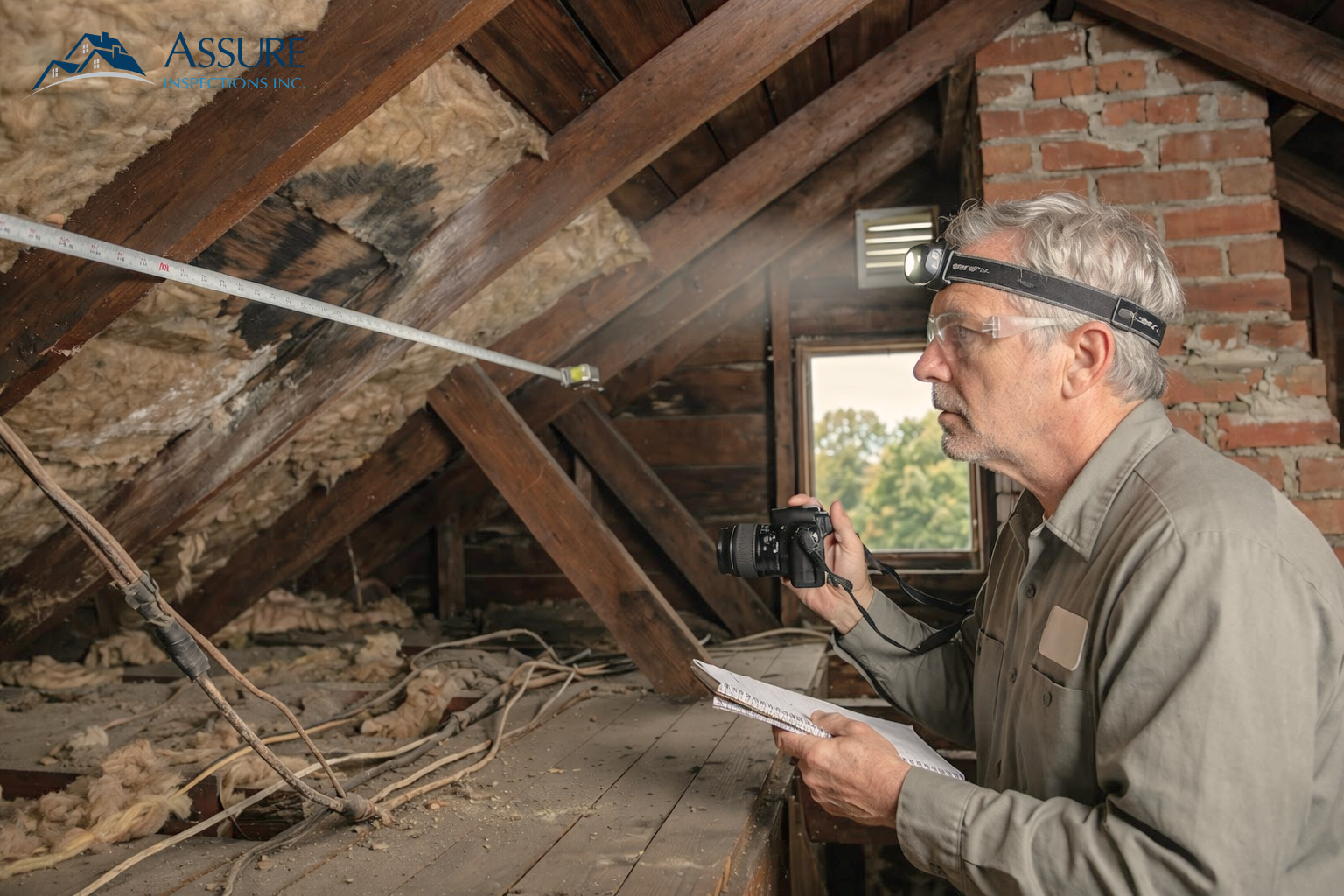
That's why professional inspections cover the home from top to bottom, including interior rooms, attic spaces, exterior surfaces, and hidden mechanical areas. Our interior inspections and attic, insulation, & ventilation inspection services help reveal whether the age of a home is affecting comfort, safety, or energy efficiency. For a wider perspective on safety standards, the U.S. Consumer Product Safety Commission provides public safety resources that align with many home inspection concerns.
Assessing Immediate Versus Long-Term Concerns
Not every issue found in an older home needs immediate action, and that distinction matters for buyers. Some findings are purely cosmetic, while others call for urgent repair or specialist evaluation. Inspectors often categorize issues by severity so clients can prioritize next steps. This helps buyers decide whether to negotiate, budget, or simply monitor an item over time.
For example, loose handrails or a faulty outlet might be simple fixes, while active foundation movement or widespread wiring deterioration might require major work. A thorough report should help the client understand what matters now, what can wait, and what should be priced into the purchase. That practical prioritization is one of the biggest benefits of choosing an experienced inspection company.
What Buyers Should Focus On During an Older Home Inspection
The Big-Ticket Items
If you are buying an older home, start by focusing on the roof, foundation, electrical system, plumbing, and drainage. These areas are most likely to create major expenses if they are damaged or outdated. Buyers should ask not only if an issue exists, but also how long it has been developing and what repair path makes sense.
Pay attention to the age of visible components. Even if the home is 70 years old, the furnace, water heater, electrical panel, and roof may be much newer. Sometimes, the age of the home is less important than the age of its major systems. For heating-related concerns, our heating system inspections can help you understand whether the equipment is operating safely and efficiently.
Moisture, Ventilation, and Hidden Decay
Older homes often have more moisture-related challenges because building methods and ventilation standards were different in the past. Poor attic airflow, unsealed crawl spaces, and inadequate grading can create conditions for rot, mold, and air quality issues. Even in a home that looks solid, moisture can undermine insulation, framing, and interior finishes over time.
If you are inspecting a property with an attached garage, basement, or crawl space, pay special attention to how those areas connect to the rest of the home. Moisture and air leakage can move easily between spaces. Our attached garage inspection and foundation & crawl space inspections are especially useful for older properties with mixed building materials or limited ventilation.
A Real-World Example: A 1920s Home With Hidden Risks
What the Inspection Uncovered
Imagine a typical 1920s-era home that looks charming from the street and has been partially updated. During the inspection, the inspector finds original knob-and-tube wiring in several areas, outdated plumbing lines with corrosion, and signs of poor drainage around the foundation. The roof shows previous patchwork repairs, and the attic lacks enough insulation and airflow. Each issue might seem manageable alone, but together they create a meaningful safety and budget concern.
This scenario is not unusual. In one reported example, the home’s original electrical system created a fire hazard, while the plumbing contributed to weak water pressure and ongoing maintenance problems. That combination required substantial investment to bring the property closer to modern standards. These are the types of discoveries that show why age matters so much during an inspection.
Why This Matters for Negotiations
When buyers know the actual condition of the home, they can make more informed decisions during negotiations. They might request repairs, ask for a credit, or decide to move forward with a clear understanding of future costs. Sellers can also benefit because they learn which upgrades should be addressed before listing and which disclosures need to be accurate and complete.
In older homes, inspection findings are rarely just about one problem. They often reveal a pattern of deferred maintenance or aging systems that affect the property as a whole. That's why the inspection report should be used as a planning tool, not just a pass-fail document. If you are preparing to list, our home inspection tips for buyers and sellers can help you get ahead of common issues.
How Sellers Can Prepare Older Homes for Inspection
Focus on Maintenance Before Marketing
Sellers of older homes can reduce surprises by addressing obvious maintenance items before the inspection takes place. Replacing damaged shingles, repairing leaky faucets, securing handrails, testing GFCI outlets, and improving caulking are small steps that can make a strong impression. These fixes won't erase the age of the home, but they can show that the property has been responsibly cared for.
It's also smart to gather records for major updates, such as roof replacement, furnace installation, plumbing work, or electrical upgrades. Documentation helps buyers and inspectors understand the home’s history and verify that improvements were completed properly. When you are ready to assess the full picture, our exterior inspections and roofing system inspection services can help identify the highest-priority areas.
Know Which Repairs Matter Most
Not every repair needs to happen before listing, but the most serious issues should be addressed first. Safety hazards, active leaks, structural concerns, and system failures are the items most likely to affect buyer confidence and transaction timing. Sellers who understand the typical patterns in older homes are better positioned to plan strategically rather than react emotionally after the inspection report arrives.
That's especially important in competitive markets where buyers may still pursue an older home if the inspection shows that the property has been maintained well. A clear, honest approach often creates more trust than trying to hide age-related wear. Transparent preparation can also shorten the negotiation process and improve the chance of a smoother closing.
Why Local Experience Matters in New Lenox, IL
Familiarity with Local Housing Styles
In New Lenox, IL, many homes were built during periods when construction practices and materials were different from what is common today. That means local inspectors need to recognize both the age of the property and the regional characteristics that influence wear, moisture, and repair patterns. Homes in established neighborhoods often have original components that need careful review, while newer developments may still have their own inspection concerns.
Local experience matters because age-related findings don't occur in a vacuum. Climate, soil conditions, drainage patterns, and neighborhood construction history all shape what inspectors see. If you are researching the area, our New Lenox, IL home inspection service area page offers additional context for local homeowners and buyers. For more background on home hazards and maintenance, the U.S. Department of Energy also provides useful guidance on improving efficiency and reducing air leakage.
Better Recommendations for Local Buyers and Sellers
An inspector who understands the age profile of homes in the area can provide more relevant recommendations. For example, a house with an older crawl space may need different advice than a newer slab-on-grade property. A home with original windows may benefit from weatherization planning rather than immediate replacement, depending on the inspection results and the client’s goals.
This kind of practical, local insight is what helps clients make decisions that fit their budget and timeline. It's also why choosing a knowledgeable inspection partner is so important. The right inspector does more than identify defects; they help you understand how the age of the home changes the meaning of those defects.
Frequently Asked Questions About Home Age and Inspection Findings
Do Newer Homes Have Fewer Problems?
Not always. Newer homes may have fewer aging-system issues, but they can still have construction defects, installation mistakes, drainage problems, or incomplete finishing work. The age of the home reduces some risks while introducing others. That's why every property should be inspected, no matter how recently it was built.
Should I Avoid Very Old Homes?
Not necessarily. Older homes can be beautiful, durable, and full of character. The key is to understand what has been updated, what remains original, and what future maintenance will likely be needed. The inspection helps you decide whether the home’s condition matches your budget, comfort level, and long-term plans.
What if the Inspection Finds Multiple Age-Related Issues?
Multiple findings don't automatically mean you should walk away. They do mean you should review the report carefully, estimate repair costs, and decide whether the home still makes sense financially. In some cases, the findings create strong negotiation opportunities. In others, they reveal that the property may be better suited to a different buyer.
Conclusion: Turn Inspection Findings Into Better Decisions
The age of a home plays a big role in what an inspection reveals, but age alone doesn't determine condition. A well-maintained older home can still be a great investment, while a newer home may hide costly defects. What matters most is how the home has aged, which systems have been updated, and whether current findings suggest immediate or future risk.
For buyers, the inspection is a chance to understand the real condition of the property before committing. For sellers, it is an opportunity to prepare, disclose, and present the home honestly. For homeowners, it is a roadmap for smart maintenance. If you are looking for professional guidance, explore our structural components inspection and built-in appliances inspection services, or learn more through our guide on why you should never skip a home inspection.
If you want a clear, thorough evaluation from experienced professionals, Assure Inspections Inc. is here to help. Call (708) 692-7877 or visit our website to schedule your next home inspection and get the confidence you need to move forward.