What Happens If You Skip a Home Inspection Before Buying?
Buying a home is thrilling, but it’s also a huge financial decision. In a competitive market, skipping a home inspection might seem like a way to make your offer more attractive. But this can lead to expensive repairs, safety hazards, and long-term stress that outweigh the short-term benefit of a stronger offer. Want to know what a proper inspection can uncover? Check out our complete guide to home inspections as a good starting point.
While home inspections aren't usually required by law, they are a smart move. A thorough evaluation helps you understand the true condition of the property before you commit. That's important because issues hidden behind walls or under floors can be costly to fix later. If you're looking to protect your investment, consider professional interior inspections and exterior inspections to spot problems you might miss during a quick walkthrough.
Research shows that buyers who skip inspections often face unpleasant surprises after closing. A study found nearly 25% of those who waived inspections faced repair bills over $10,000 within two years. That’s a huge financial hit, especially for first-time buyers stretching their budgets. The National Association of Realtors emphasizes the value of informed decision-making in home purchases, and the U.S. Department of Housing and Urban Development offers resources at HUD to help buyers understand the risks involved in owning property.
Why Home Inspections Matter Before Closing
They reveal hidden defects early.
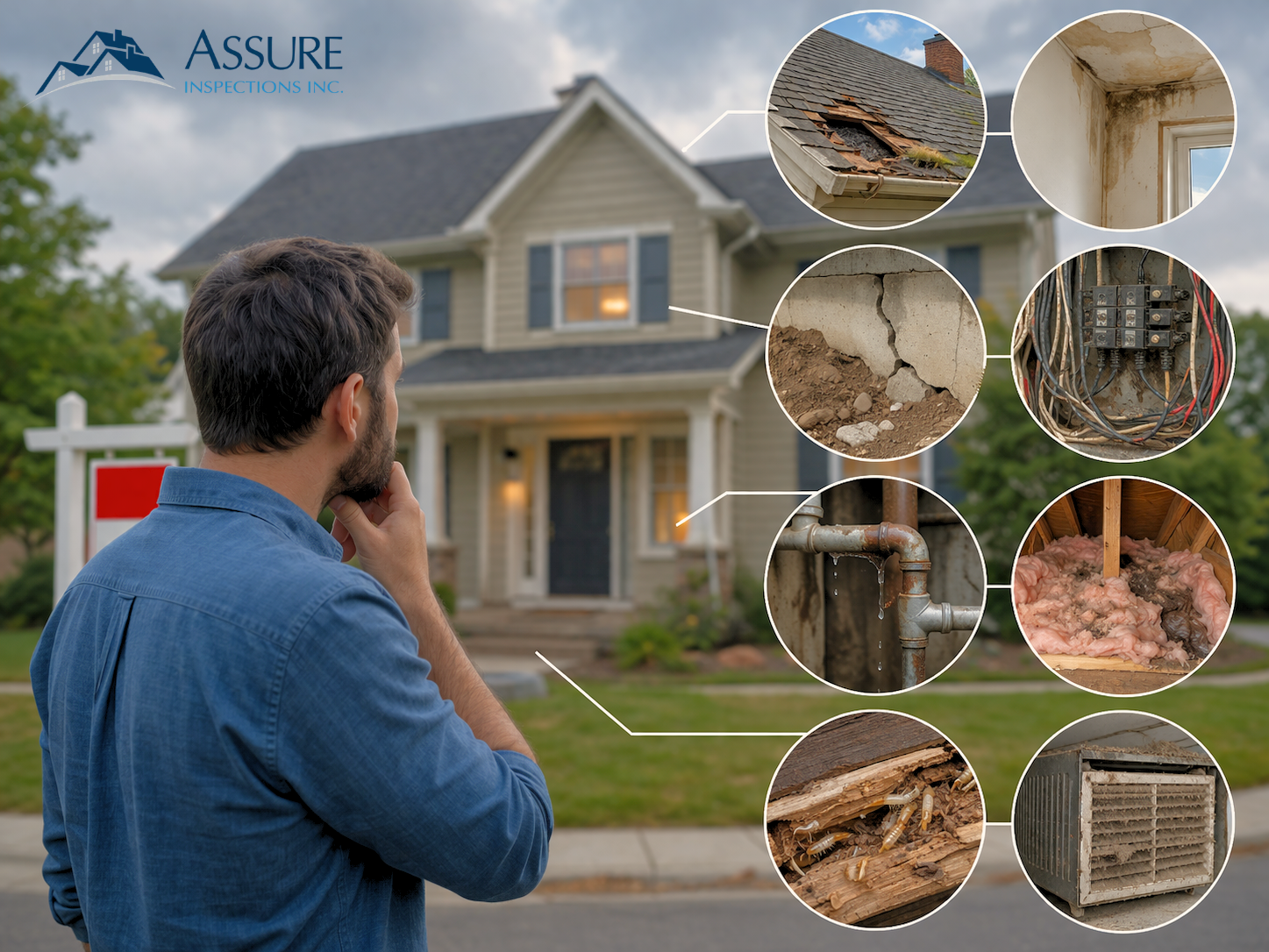
A home might look move-in ready, but inspections often uncover defects you can’t see during a showing. Issues like roofing leaks, foundation movement, plumbing failures, and electrical concerns can all hide from casual view. A qualified inspector looks beyond the surface to identify problems affecting safety, comfort, and cost. For deeper evaluations, consider structural components inspection and electrical system inspections.
This is crucial because sellers might have made temporary fixes or staged the home to look flawless. Fresh paint can cover water stains, and new caulk might hide active leaks. A detailed inspection cuts through appearances to reveal the actual condition, which is why it’s so valuable to buyers who want facts, not assumptions.
They give you negotiation power.
An inspection is a great negotiation tool. If the report finds significant issues, you can request repairs, ask for credits, or renegotiate the purchase price. Sometimes, the findings might even let you walk away from the deal if the contract includes an inspection contingency. Real estate experts recommend keeping this contingency in place when possible. If you’re preparing for that conversation, our home inspection tips can help you know what to expect.
Negotiation leverage is especially helpful when a home needs several updates. A roof near the end of its life, a failing water heater, and outdated electrical wiring can quickly become a costly project. Written documentation from an inspector puts you in a stronger position to make informed decisions instead of guessing about repair costs.
The Real Risks of Waiving a Home Inspection
Unexpected repair bills can add up quickly.
Skipping a home inspection can lead to financial surprises. A house that seemed affordable might become much more expensive if major systems fail. Roof replacement, sewer issues, HVAC problems, foundation cracks, and hidden moisture damage aren’t small repairs. They can overwhelm a buyer’s budget and affect the home’s value for years.
Industry discussions show buyers who skip inspections are more likely to face major out-of-pocket costs soon after moving in. In a competitive market, it’s easy to focus on winning the home, but the real cost of ownership starts once you get the keys. That’s why using professional services like roofing system inspection and plumbing system inspections is wise to understand where the money may go after purchase.
Safety concerns can go unnoticed.
Some inspection issues aren’t just expensive—they’re dangerous. Electrical hazards, missing GFCI protection, improper ventilation, mold conditions, and fire-related concerns can all affect your family’s safety. A home with hidden wiring defects or a compromised fireplace may seem fine until a serious incident happens. This is why specialized services like fireplace inspection and heating system inspections are important for older homes.
Public safety organizations and government resources often warn homeowners about fire, carbon monoxide, moisture, and electrical risks. The Consumer Product Safety Commission offers useful information on household safety at CPSC, and the Environmental Protection Agency guides indoor air quality and moisture concerns at EPA. These resources reinforce a simple truth: what you can’t see in a home can still hurt you.
What Buyers Commonly Miss Without an Inspection
Roof, drainage, and water intrusion issues
Water is one of the most common and expensive threats to a home. A roof might look fine from the street, but hidden damage like aging shingles or poor attic ventilation can cause leaks over time. Water can also enter through grading problems, clogged gutters, or poorly sloped driveways, leading to mold and basement damage. Buyers who want to understand these vulnerabilities should consider grading & drainage inspections and basement inspections.
Research highlights why moisture deserves special attention. One case study involved a first-time buyer who skipped the inspection and later discovered extensive hidden water damage and mold. The repairs were expensive and disruptive, and the issue could have been caught earlier. Moisture problems often spread silently, which is why many professionals recommend reviewing hidden moisture warning signs before buying.
Foundation and crawl space concerns
Foundation movement can remain invisible to inexperienced buyers. Small cracks might seem harmless, but they can signal settlement or drainage problems. Crawl spaces are crucial because they often reveal moisture, pests, poor ventilation, and support issues. Evaluating these areas can help you avoid costly surprises later. That’s where foundation & crawl space inspections provide major value.
Structural concerns don’t always mean a house is unsound, but they do mean you should know what you’re buying. Some problems are manageable; others need immediate attention. Without an inspection, you miss the chance to make that distinction before signing the contract. That’s a risky way to buy real estate, especially when long-term equity is on the line.
Electrical and mechanical problems
Older electrical panels, outdated wiring, failing outlets, and improper modifications are common findings in home inspections. Mechanical systems can also hide expensive issues, especially when heating or cooling units are near the end of their lifespan. A seller might say the furnace works, but that doesn’t mean it’s efficient or safe. Buyers should use attic, insulation, & ventilation inspection, and built-in appliances inspection to get a broader view of the home’s systems.
In older neighborhoods, outdated materials and previous DIY repairs are common. Those shortcuts can create hidden risks. A skilled inspector can identify signs of overloaded circuits, reverse polarity, loose fixtures, and ventilation weaknesses that would be easy to miss during a showing. For technical safety standards, homeowners can review guidance from the National Fire Protection Association (NFPA.
How Waiving an Inspection Affects Your Long-Term Budget
Repair costs can exceed your expectations.
Many buyers budget for closing costs and moving expenses, but not for sudden system failures. If a hidden issue arises after closing, you might have to use emergency savings, take out a loan, or delay other purchases. A $10,000 repair can be manageable for some and devastating for others. That’s why the inspection step should be seen as financial protection, not just a formality.
Remember, repair costs often come in clusters. One hidden issue can lead to several more. A slow roof leak may damage insulation, stain ceilings, and weaken framing. A drainage issue may cause foundation movement and basement moisture. Identifying problems early can help you avoid a chain reaction of expenses.
Insurance and resale value may be affected.
Skipping an inspection can create problems when you try to insure, refinance, or sell the home. Defects may not be obvious to a buyer, but can show up during their inspection when you list the property. That means ignored issues might reduce your resale value or force you into a weaker negotiation position. In practical terms, the money saved by waiving the inspection often disappears later.
Homes with unresolved safety or maintenance issues can also become harder to insure or maintain. Buyers often underestimate the long-term effect of deferred repairs. If you plan to own the property for years, think beyond the closing date and focus on total ownership cost, not just the purchase price.
What to Do Instead of Skipping the Inspection
Use an inspection contingency whenever possible.
An inspection contingency gives you options. You can review findings, request repairs, negotiate credits, or cancel the contract if issues are serious enough. In most cases, this is the smartest way to protect yourself while still moving forward with a purchase. It creates a balanced approach that helps you stay competitive without blindly accepting risk. For a full process understanding, our complete inspection guide explains what’s typically evaluated.
If a seller hesitates about inspection delays, ask for a shorter contingency window rather than eliminating the inspection. That compromise can sometimes satisfy both sides. The goal is to remain flexible without giving up your ability to make an informed decision. In real estate, speed matters, but blind speed is costly.
Consider a pre-inspection or mini inspection.
Some buyers schedule a pre-inspection before making an offer, especially in competitive markets. This approach helps you understand the home’s condition upfront and decide how aggressive your offer should be. It’s not as convenient as skipping the step, but it can help you avoid paying full price for a property with hidden problems. Real estate professionals say pre-inspections can be smart in bidding wars.
A mini inspection is helpful for older homes, homes with visible wear, or properties vacant for a long time. It gives you a practical snapshot of the property before committing. In markets where speed matters, this planning can be the difference between a confident purchase and an expensive mistake.
Focus on the most critical systems first.
If time is limited, prioritize the most important systems: roof, structure, electrical, plumbing, attic ventilation, and moisture intrusion. That’s why buyers often start with targeted services like attic, insulation, & ventilation inspection, electrical system inspections, and plumbing system inspections. These areas reveal safety issues and expensive repairs.
This approach helps you spend inspection dollars where they matter most. It also gives you better information for negotiations. Even if a full inspection isn’t possible, a focused review is usually better than none at all.
Case Studies That Show the Cost of Skipping Inspections
The hidden water damage example
In one case study, a buyer purchased a home without an inspection and discovered major water damage and mold months later. The problem had likely been developing for some time, but it wasn’t visible during the showing. Once the damage spread, the homeowner faced a stressful repair process, temporary displacement, and costs that could have been avoided with a proper pre-purchase evaluation. This situation is why professionals often say moisture is a silent budget killer.
Hidden water damage can affect drywall, subflooring, insulation, and structural materials. Once those areas are compromised, the repair process becomes much larger than a simple patch. This is why buyers should take moisture and drainage seriously before closing.
The electrical fire example
Another case involved a buyer who skipped the inspection and later learned the home had serious electrical issues. The result was a devastating fire. No one wants to imagine that scenario, but it shows how inspection findings protect more than just your wallet. They protect your life, belongings, and peace of mind. The lesson is simple: safety defects aren’t minor details.
Fire risks are crucial in older homes or properties with outdated renovations. If a previous owner made unpermitted electrical changes, the warning signs might not be obvious. A professional inspector is trained to recognize these red flags and recommend next steps before the deal closes.
What Buyers in New Lenox, IL Should Keep in Mind
Competitive markets increase pressure to waive inspections.
In New Lenox, IL, buyers might feel pressured to make offers more attractive by reducing contingencies. That pressure is understandable, but weigh it against the financial and safety risks of skipping an inspection. Local housing conditions and seasonal climate changes can also affect property performance, especially with roofs, drainage, basements, and exterior materials. Shopping locally? Our housing market insights can help you think strategically about your approach.
Many homes in the area have weather-related wear not obvious at first glance. Cold winters, spring moisture, and shifting temperatures can all take a toll over time. That makes inspection even more valuable for local buyers who want to avoid surprises after moving in.
Local expertise helps you make better decisions.
Working with a knowledgeable inspector familiar with the local housing stock can make a big difference. A professional who knows how to look for issues in older foundations, basement moisture, roofing problems, and drainage concerns can help you prioritize repairs and understand risk. For buyers in the area, checking our New Lenox service area can be a helpful next step if you want trusted local support.
Local knowledge also improves communication. Instead of a vague report, you get context that helps you decide what truly matters. That clarity is essential when making fast-moving decisions in a competitive market.
Frequently Asked Questions About Skipping Home Inspections
Is a home inspection legally required?
No, a home inspection isn’t usually legally required. But it’s highly recommended because it helps identify hidden problems before you finalize the purchase. The fact that it’s optional doesn’t mean it’s unimportant. In many cases, it’s one of the smartest investments you can make during the buying process.
Can I still buy a house without an inspection?
Yes, but doing so means accepting greater risk. You might save time in the short term, but you could also inherit expensive repair bills and safety issues. If you must move quickly, consider a shorter inspection window or a targeted review of the most important systems instead of skipping the step completely.
Can I negotiate after an inspection?
Absolutely. One of the greatest benefits of an inspection is negotiation leverage. Depending on the findings, you might be able to ask for repairs, price reductions, or seller credits. In a best-case scenario, the inspection saves you money before you close. In a worst-case scenario, it helps you avoid a bad purchase altogether.
What is the biggest risk of waiving the inspection?
The biggest risk is buying a property with serious hidden defects that cost far more than expected to repair. That can include safety problems, structural issues, moisture damage, and failing systems. The initial savings from winning the home can quickly disappear once the problems surface.
Protect Your Investment With a Smart Inspection Strategy
Skipping a home inspection might seem like a shortcut to getting the house you want, but it often creates more problems than it solves. The data, expert guidance, and real-world examples all point in the same direction: informed buyers make better long-term decisions. When you know the true condition of a property, you can negotiate confidently, budget realistically, and avoid nasty surprises after closing.
If you’re buying a home and want a clear, honest assessment of the property, Assure Inspections Inc. is here to help. Our team provides detailed evaluations of structural, electrical, plumbing, roofing, and safety concerns so you can move forward with confidence. For a deeper look at the systems that matter most, explore our roofing system inspection, foundation & crawl space inspections, and structural components inspection services.
Don’t let urgency turn into regret. Before you buy, get the facts, ask the right questions, and protect your investment with a professional inspection. To schedule your service or learn more, contact Assure Inspections Inc. at (708) 692-7877, email office@assurehomeinspector.com, or visit us at 2 Ford Dr, Suite H, New Lenox, IL 60451, USA. A thorough inspection today can save you from major costs tomorrow.