What You Can’t See During a Home Walkthrough
When you're looking at a new home, a walkthrough gives you a first impression, but it's just the start of checking out the property. Sure, the fresh paint and clean floors look nice, but there could be hidden issues behind those walls or under those floors. That's why teaming up a walkthrough with a professional interior inspection can give you real peace of mind.
Why is this so important? Because unseen problems can lead to surprise repair bills, safety concerns, and even stressful renegotiations after you've already committed. The National Association of Realtors says most buyers do an inspection before closing, and many find issues serious enough to change the deal. In this guide, you’ll discover what you might miss on a typical walkthrough, the warning signs to watch for, and how high-tech inspection tools can spot problems before they turn into costly headaches.
Why a Walkthrough Is Useful but Limited
A walkthrough shows only surface-level conditions.
Walkthroughs help you assess a home's look, layout, and visible condition. You'll see if cabinets are damaged, if a room feels bright, and if doors and windows work. But what you can't see is the condition of things like framing, insulation, or wiring. Even a careful buyer might miss issues hidden in tricky spots.
Here’s where professional home inspection services come in handy. An inspector will dig deeper than just the surface. For example, a small ceiling stain could mean a roof leak, and a sloping floor might indicate foundation issues. Want to see how these findings fit into a full report? Check out our complete home inspection guide.
Cosmetic updates can hide expensive defects.
Fresh caulk and new paint can make a home look well-maintained, but that doesn’t mean everything's solid underneath. A beautiful kitchen could be sitting on top of plumbing that's seen better days, and a finished basement might hide seepage or foundation cracks. Look for signs that there might be more lurking than meets the eye.
Older homes often have hidden defects because materials wear out, and repairs might not meet today’s standards. A property might look good at first glance but still have issues that only show up during a thorough inspection. Pairing a walkthrough with exterior inspections and structural components inspection can give you a full picture of both visible and hidden problems.
Common Problems a Standard Walkthrough Misses
Moisture intrusion and hidden mold
Water is one of the worst offenders for home damage, leading to rot, mold, and long-term structural problems. You might notice a water stain or a musty smell during a walkthrough, but many moisture problems are hidden. Mold can grow quietly if a leak is left unnoticed, and it becomes more expensive to fix over time.
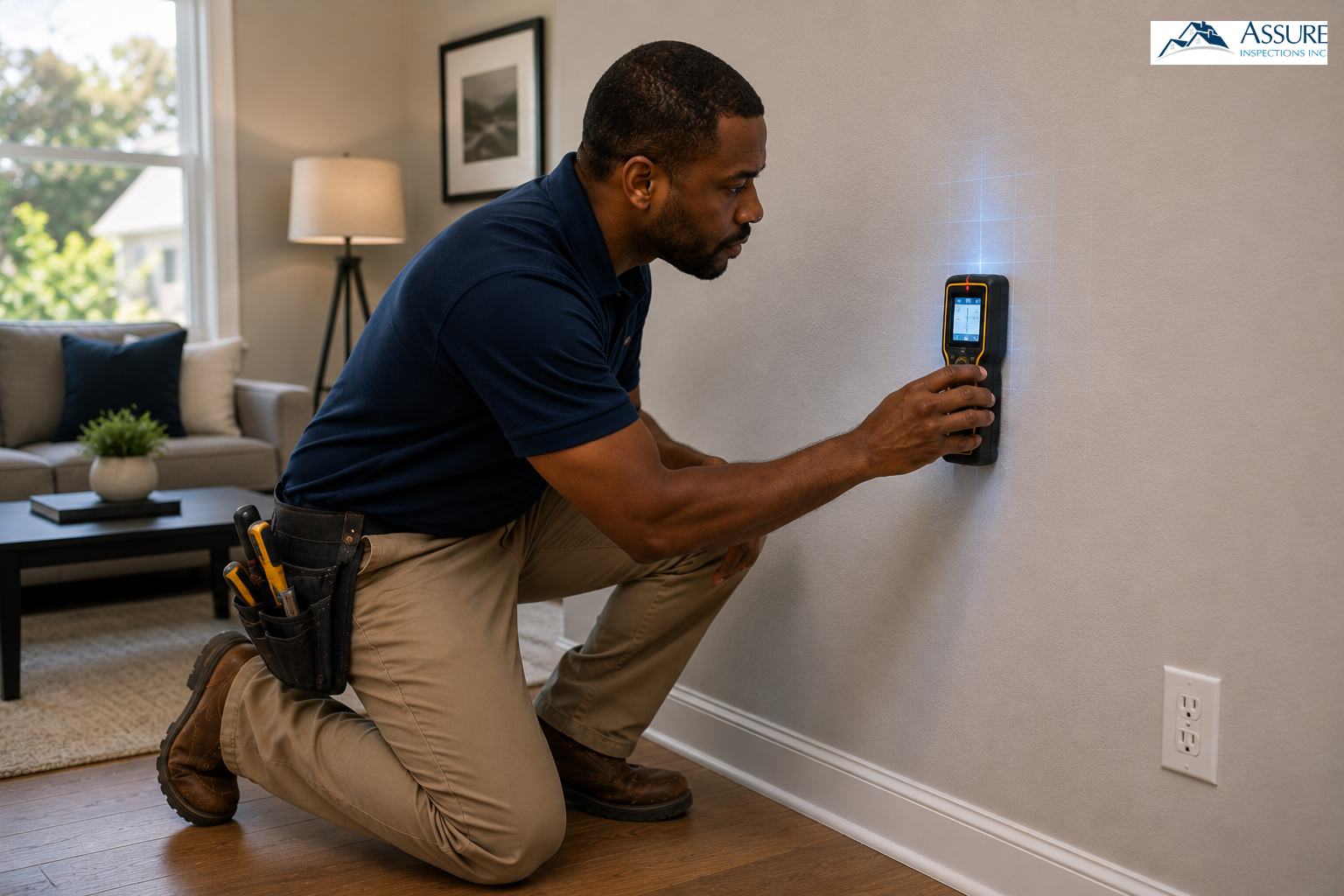
Special tools can identify these issues early. Moisture meters and thermal imaging can detect hidden moisture. According to the U.S. Environmental Protection Agency, controlling moisture is crucial for controlling mold, making a detailed inspection vital. If you suspect basement issues, a focused basement inspection can catch problems a walkthrough might miss.
Electrical hazards behind walls and panels
Outlets may work during a walkthrough, but hidden wiring issues can pose risks. Outdated wiring, overloaded circuits, and loose connections often stay hidden without a thorough inspection. These problems can lead to power loss or even fires.
Just because the lights turn on doesn’t mean the electrical system is safe. An electrical system inspection will focus on panels, wiring, and outlets to catch issues that are easy to overlook. This is especially important in older neighborhoods where renovations may have left a mix of old and new wiring.
Foundation movement and structural settling
Small cracks might be harmless, but they can also signal foundation issues. A walkthrough may reveal a cracked tile or uneven floor, but those clues don’t explain if the issue is minor or ongoing. Foundation movement can affect doors, windows, and more.
The U.S. Geological Survey says soil and foundation conditions are key to how structures hold up. This is crucial in areas where ground settling or moisture affects homes. If you notice cracks or sloping floors, a foundation and crawl space inspection can help you understand what’s happening.
Technology Is Changing What Inspectors Can Find
Thermal imaging reveals hidden temperature differences
New tech in inspections has opened up what inspectors can find. Thermal imaging can spot temperature changes that hint at heat loss, missing insulation, or electrical concerns. You might not notice these issues during a walkthrough because they don’t always show visible signs. But with thermal tools, inspectors can pinpoint areas that need more attention.
Thermal imaging isn’t a magic fix, but it adds valuable insight when used by a pro. It helps inspectors decide where to look closer and where more evaluation is needed. For homes with attic issues, temperature differences might be revealing, so an attic, insulation, and ventilation inspection could be important.
Moisture meters and drones expand the inspector’s reach
Moisture meters can spot suspicious readings in materials, helping to see if a stain is old or active. Drones can make roof inspections safer and more efficient, especially in tricky weather conditions.
Organizations like InterNACHI and ASHI recommend inspectors keep up with the latest methods. If roof concerns arise, a roofing system inspection can be useful, especially if the walkthrough leaves questions about shingles or drainage.
What Red Flags to Watch for During a Walkthrough
Water stains, odors, and staining patterns
Some of the best clues are visible if you know what to look for. Water stains, peeling paint, warped baseboards, or damp smells can hint at leaks or past water issues. Even if a stain looks old, it might show a recurring problem that needs checking.
If you see stains near plumbing, consider a closer look at the supply lines and drains. Our plumbing system inspections can find visible leaks and other concerns that might not be obvious during a walkthrough. The earlier these are spotted, the better your negotiating power for repairs or credits.
Uneven floors, cracks, and sticking doors
Floors that slope, doors that stick, and wall cracks can indicate movement. While some wear is normal, multiple signs together need attention. Look for patterns across different rooms. A crack near a door that doesn’t close properly can mean more than just settling.
This is important in areas where grading or drainage might affect the foundation. A grading and drainage inspection can see if water is being directed away from the home correctly.
Signs in the attic, garage, and exterior
Many buyers focus on main living areas and skip utility spaces, yet attics, garages, and exteriors often show early signs of trouble. In the attic, look for wet insulation or daylight through the roof. In the garage, check for unusual floor slopes or moisture near walls. Outside, inspect siding and downspouts for water management issues.
For homes with attached garages, our attached garage inspection can reveal fire-safety or moisture issues that might not be obvious. Likewise, a strong exterior inspection can uncover window or siding problems.
Why Certified Home Inspectors Matter
Training and standards make a difference.
Not all inspections are equal. Certified inspectors follow recognized standards, document findings carefully, and understand how systems interact. They look beyond obvious issues to explain if a concern is minor or significant.
Standards from groups like ASHI and InterNACHI support consistent inspection practices. Ask if the inspector follows a written standard and if the report includes photos and recommendations. Our home inspection tips guide can help you know what to ask before hiring an inspector.
Specialized testing adds another layer of protection
Some homes need more than a visual review. Older homes, homes with water history, or unusual odors might need tests for radon, mold, or asbestos. The Centers for Disease Control and Prevention says radon is a serious concern that’s invisible without testing, making targeted testing important when buying a home.
Specialized testing isn’t necessary for every property, but it can be smart if the home’s age or condition suggests hidden risks. Talk to your inspector about these options to decide if additional evaluation makes sense.
Real-World Examples of Hidden Problems
Foundation issues discovered after a basic walkthrough
In one case, a buyer in New Lenox saw minor basement cracks during a walkthrough and thought they were cosmetic. A professional inspection later found significant foundation settling affecting structural stability. Since the issue was documented before closing, the buyer negotiated a lower price.
This example shows why a walkthrough shouldn’t be the final word. A crack might be the first clue, not the full story. When buyers combine a walkthrough with a structural components inspection, they get a better understanding of whether a defect is isolated or part of a bigger problem.
Mold behind cabinets in a suburban kitchen
Another scenario involved mold behind kitchen cabinets from a slow plumbing leak. The kitchen looked clean during the walkthrough, with no signs of trouble. An inspection found moisture and mold growth behind the cabinetry. Catching the issue early prevented health concerns and expensive remediation later.
Problems like this show why buyers should treat odors or soft materials as warning signs. In homes with finished basements or remodeled kitchens, concealed leaks are easy to miss unless a pro is looking for them.
How Buyers Can Prepare for a Smarter Inspection
Ask focused questions before the walkthrough.
Being prepared makes a difference. Before your walkthrough, ask the seller about the age of major systems, known repairs, or any recurring maintenance issues. The goal isn’t to overwhelm but to gather enough info to know where hidden risks might be.
Arrive with a checklist. If a home has a basement, attic, or crawl space, include those in the conversation. If moisture or settling concerns you, ask for foundation and crawl space inspections before deciding.
Use the walkthrough to guide the inspection, not replace it
Use the walkthrough as a tool to notice clues and ask questions. It doesn’t replace a detailed home inspection, and it shouldn’t be proof that the home is problem-free. A home can look perfect and still have hidden issues.
To understand the home’s condition, review a package of services such as heating system inspections and built-in appliance inspections. These checks ensure major systems aren’t hiding future repair costs.
Frequently Asked Questions About Hidden Home Defects
What issues are commonly missed during a standard walkthrough?
Issues like mold, foundation cracks, outdated wiring, hidden plumbing leaks, attic ventilation problems, and roof damage often go unnoticed. A walkthrough is mainly visual, so it can’t catch problems behind walls or in hard-to-reach areas. Treat it as a starting point, not a final check.
How can I ensure a thorough inspection?
Hire a qualified inspector with local experience and clear communication. Make sure they use tools like moisture meters or thermal imaging when needed, and ask for a report with photos and recommendations. Choose an inspector familiar with local soil and construction patterns.
Are there any red flags to watch for during a walkthrough?
Yes. Watch for water stains, musty odors, uneven floors, wall cracks, rust around fixtures, and poor drainage signs. Even if these clues don’t prove a major defect, they often suggest a closer inspection. If you spot several warning signs, slow down and ask more questions.
Conclusion: See Beyond the Surface Before You Buy
A home walkthrough helps, but it doesn’t reveal everything. Hidden moisture, structural movement, electrical issues, and drainage problems can go unseen until a professional evaluation. That’s why the smartest buyers gather clues during the walkthrough, then rely on an inspector to confirm what's happening underneath.
If you’re buying a home and want confidence in your decision, Assure Inspections Inc. can help you move forward with clarity. Our team uses proven standards, advanced tools, and practical reporting to uncover the issues that walkthroughs miss. For buyers who want a more complete picture, especially when reviewing a property in New Lenox, a professional inspection is one of the best investments you can make. Contact us today to schedule your inspection and protect your purchase before closing.