Thinking of Buying a Home? Let's Talk About What You Don't See.
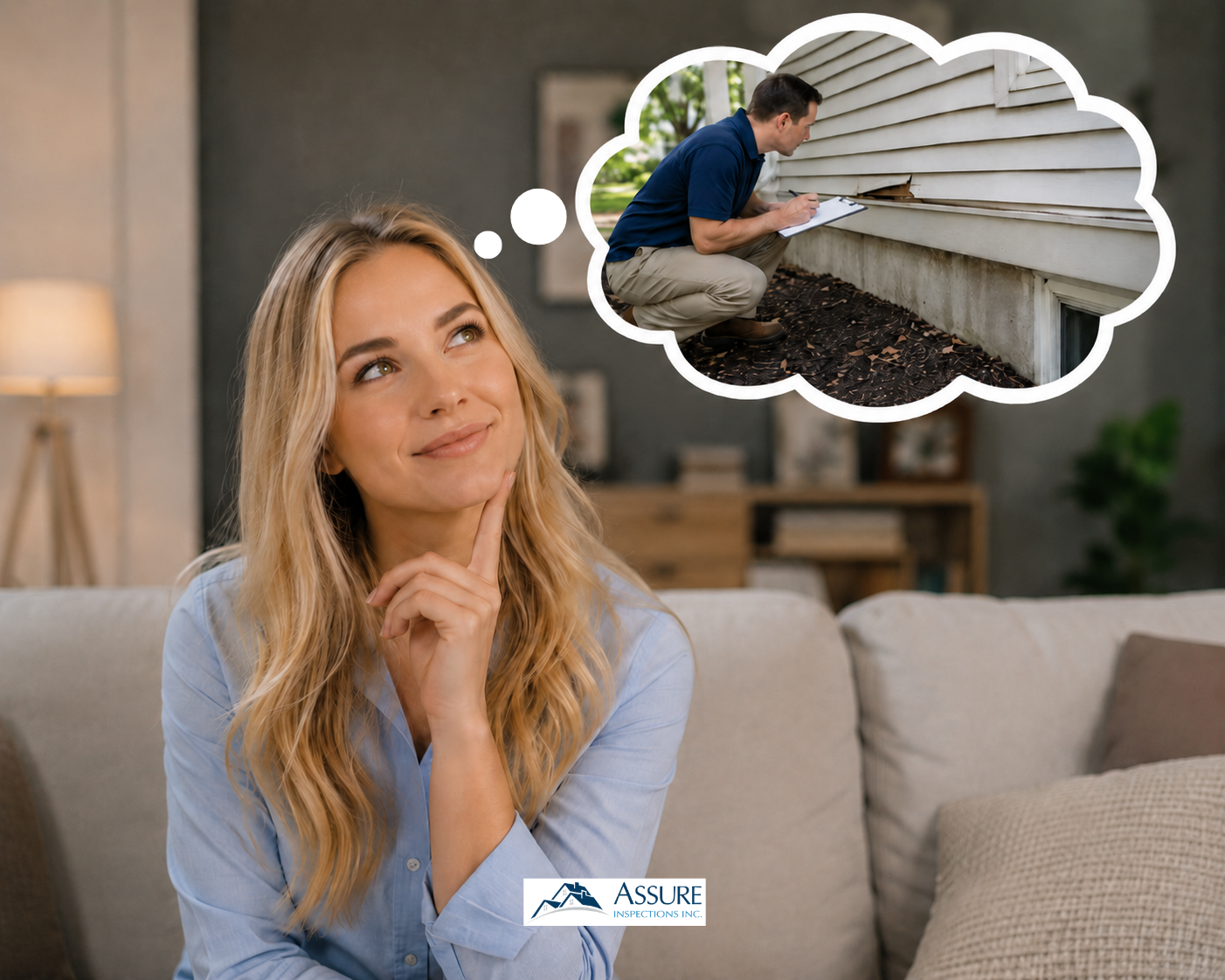
Buying a home is thrilling, but it's also a huge financial commitment. A quick tour won't reveal the hidden issues that might cost you big later. That's why getting a professional home inspection is crucial. It helps you understand the true condition of the property. Whether it's hidden moisture or outdated wiring, an inspection can save you from future headaches, giving you confidence in your purchase.
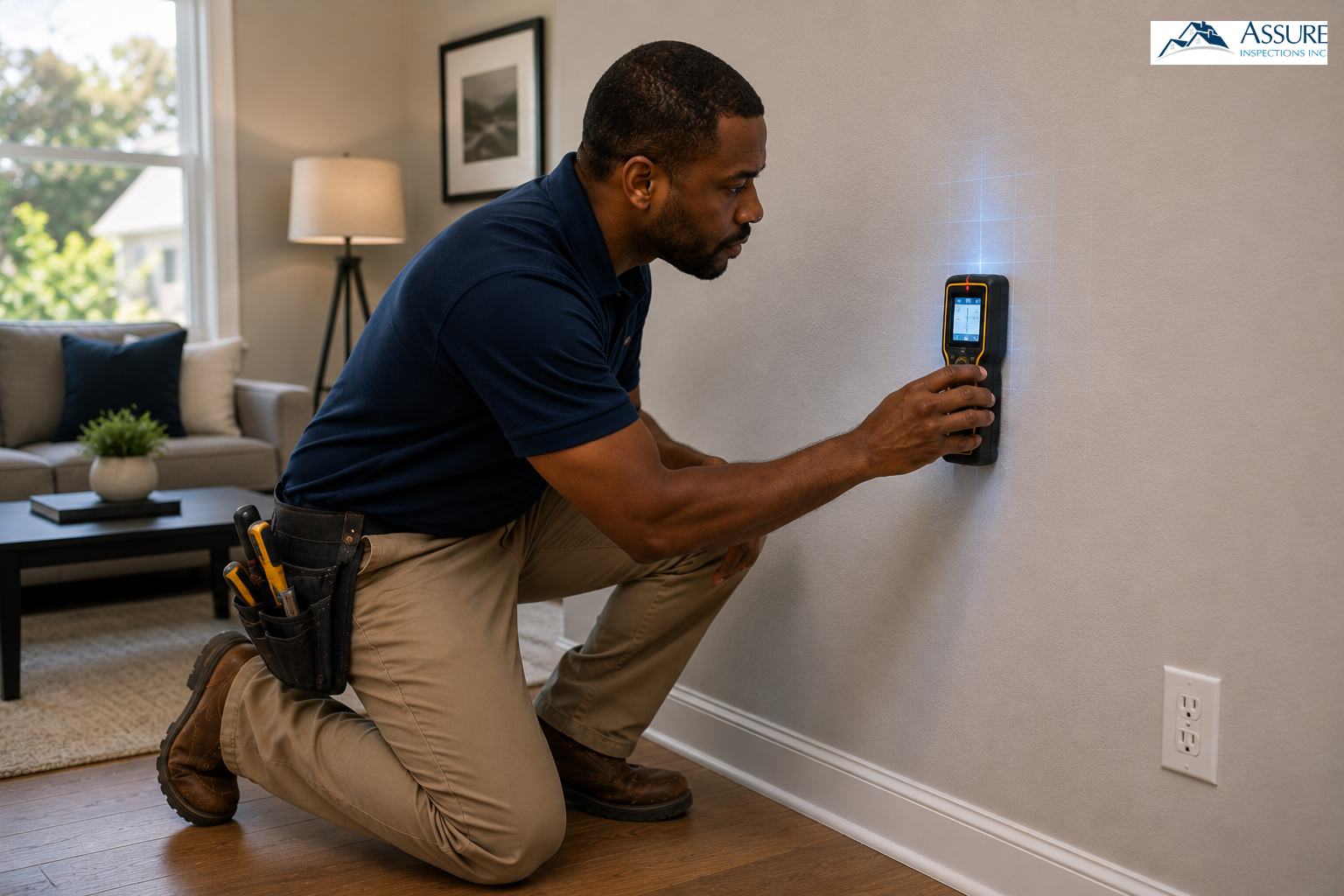
If you're weighing your options for interior inspections or need to know what's happening inside the walls, a detailed report can really help. Today’s inspectors use advanced tools like thermal imaging and digital reporting, not just a flashlight and clipboard. If you want to grasp the basics of home inspections, check out our complete guide to home inspections.
Inspection standards keep changing. The InterNACHI Standards of Practice explain what systems and components are usually checked during an inspection. The U.S. Department of Energy also offers energy-saving tips that highlight how heat loss, insulation, and air leaks affect a home's efficiency. These resources show why inspections are now more thorough and more valuable.
Why What’s “Behind the Walls” Really Matters
Hidden Problems Can Affect Your Budget
A home might look ready to move in but still hide costly issues. Fresh paint might cover water stains, new flooring could conceal subfloor damage, and updated fixtures may distract from aging systems. Skipping an inspection can lead to unexpected repair costs.
"Behind the walls" covers more than just framing and insulation. It includes plumbing lines, electrical wiring, vents, moisture barriers, and structural elements. When one system fails, it often affects others, causing a chain reaction of damage. A solid structural components inspection can spot problems before they escalate.
Small Signs Can Indicate Bigger Issues
Cracks, uneven floors, musty smells, and stained ceilings might seem minor but often point to bigger problems. A stain on the ceiling could mean a roof leak or issues like poor attic ventilation. These signs guide inspectors on where to look and what repair history might need checking.
The real story often starts in places buyers overlook: crawl spaces, attics, basements, and utility rooms. That's why foundation and crawl space inspections and attic, insulation, and ventilation inspections are crucial. Problems in these areas can show up later in the main living spaces.
What Modern Home Inspections Reveal
Advanced Tools Uncover Hidden Defects
Thermal imaging is now a standard part of many inspections. It can reveal missing insulation, air leaks, moisture intrusion, and electrical hotspots before they become visible. According to HousingWire, this technology is changing how inspection findings are shared with buyers and lenders.
While these tools enhance an inspector’s capabilities, they don’t replace their judgment. They provide a deeper view into a home’s condition, revealing issues like hidden moisture or overheating electrical panels. This additional information can mean the difference between a safe purchase and a costly mistake.
Video Walkthroughs Make Findings Clearer
Many inspectors now use video walkthroughs instead of static PDF reports. This approach makes it easier for buyers to understand what the inspector saw and why it matters. It's especially useful for first-time buyers, busy families, and those who can't attend every inspection in person.
Clear inspection findings lead to more productive conversations with your agent and lender. If there's a roof issue, for example, video reports make the urgency clear. A detailed roofing system inspection can help distinguish routine wear from defects needing immediate attention.
Specialized Services Are Part of the Buyer Strategy
Today's buyers often go beyond basic inspections. Radon testing, mold assessments, energy audits, and warranty inspections are becoming more common. The EPA advises radon testing to detect this gas, which can be harmful, and the CDC warns that mold exposure is a concern when moisture problems go unchecked.
A strong inspection plan includes add-on services based on the property’s age, layout, and history. A home with a fireplace may need a fireplace inspection, while drainage concerns might warrant grading and drainage inspections. A comprehensive evaluation reduces surprises after closing.
The Most Common Defects Found in Home Inspections
Roofing and Attic Issues Are Common
Roof defects, like missing or damaged shingles, are frequently found during inspections. Roofs endure everything from sun and wind to snow and rain. Even in older neighborhoods, a roof that "looks fine from the street" may have hidden wear that shortens its lifespan.
Attic ventilation issues are also common, as poor airflow can trap heat and moisture, leading to roof deterioration and increased utility bills. An attic, insulation, and ventilation inspection can reveal whether a home is properly ventilated or if issues are building up.
Electrical Problems Pose Safety and Budget Risks
Electrical issues are a major concern in inspection reports. Missing GFCI protection, older panels, and incomplete smoke and carbon monoxide coverage can create shock hazards, fire risks, or code issues that need quick attention after moving in.
If you’re looking at a home with an older electrical system, an electrical system inspection can clarify whether the system is safe or needs upgrades. The National Fire Protection Association guides electrical safety and detector placement.
Water Damage Often Starts in Overlooked Areas
Water damage is costly because it often spreads quietly behind walls and under floors. It frequently appears in basements, crawl spaces, and around plumbing fixtures. By the time it becomes visible, the problem may have been active for weeks.
That's where basement inspections and plumbing system inspections can be invaluable. Small leaks can rot framing and create mold-friendly conditions. Once moisture gets into hidden areas, repairs usually become more complex and expensive.
What to Expect During a Home Inspection
A Standard Inspection Covers Key Systems
During a typical inspection, the property's visible and accessible major systems are evaluated, including roofing, HVAC, plumbing, electrical, and structural components. The inspector identifies defects, safety issues, and maintenance concerns that could affect value or livability.
Expect the inspector to check everything from wiring and outlets to fixtures, doors, windows, and attic access points. A thorough exterior inspection can identify issues with siding and weather protection, while an interior inspection focuses on living areas.
Inspectors Are Observant, Not Destructive
Remember, a home inspection is visual and non-invasive. Inspectors don't open walls or remove flooring. They use experience and tools to infer what might be happening where access is limited. That's why indicators like odors, stains, and airflow patterns matter so much.
Sometimes, a defect can't be confirmed without further evaluation by a specialist. If recommended, a structural components inspection can provide a more focused look at the home’s framework.
Attending the Inspection Builds Confidence
Try to be there for the inspection. It lets you ask questions, understand what's crucial, and see how the inspector assesses the property. Many buyers find the conversation during the inspection as valuable as the final report.
In fast-moving markets, taking time for the inspection can protect your budget and peace of mind. If you're comparing neighborhoods or homes of different ages, review resources like the difference between a home inspection and an appraisal to know each professional's role.
The Cost of a Home Inspection and Its Value
The Cost Is Small Compared to Potential Savings
Home inspections usually cost between $300 and $600, depending on the home’s size, age, and location. Urban areas may be pricier, and larger or older homes need more detailed evaluations. While this might seem like another expense, it's often minor compared to the cost of replacing a furnace or repairing water damage.
Think of the inspection fee as insurance against a bad purchase. One major finding can justify the cost. Discovering roof issues, moisture problems, or panel defects before closing can help you negotiate repairs or request seller credits.
Specialty Testing Adds Value When Used Wisely
Not every home needs every add-on, but some situations make specialized services a smart choice. Older homes, properties with crawl spaces, or known environmental concerns may need extra review. Consider heating system inspections or built-in appliance inspections for a complete picture of household functions.
Match the inspection package to the property, not just the price. A newer home might benefit from an 11-month warranty inspection, while older homes may need more attention to moisture and foundation issues.
Local Concerns for New Lenox and Similar Markets
Older Homes May Show Foundation Movement
In suburban areas with a mix of old and new homes, foundation cracks and moisture in crawl spaces are common. Harsh winters and seasonal rainfall can affect soil movement and drainage. This makes a foundation and crawl space inspection valuable when buying an older home.
Pay attention to grading, gutter discharge, and downspout extensions, as water management outside affects what's happening underneath.
Roofing and HVAC Age Affect Long-Term Costs
Many buyers focus on cosmetic updates but overlook the expense of aging mechanical systems. A roof or HVAC system near the end of its life can turn an affordable home into a costly one.
Pairing a roofing system inspection with heating system inspections helps build an accurate homeownership budget.
Smart Steps for Buyers and Sellers
Use the Report to Prioritize, Not Panic
A good inspection report leads to calm, practical decisions. Not every defect is a dealbreaker, and not every repair is urgent. Separate safety issues from maintenance and cosmetic concerns to decide what matters most.
Sellers can benefit from a pre-listing strategy. Completing a driveway inspection or roof review before listing can reduce delays and renegotiation later.
Ask Questions and Document Everything
Don’t hesitate to ask the inspector to explain terms in plain language. If a defect sounds technical, ask about its practical implications: Is it urgent? How much might it cost? Should it be evaluated by a specialist?
Save photos, notes, and the final report in one place for easy reference during closing and after move-in. If you need help understanding the implications of a finding, a trustworthy inspector can explain what's most important.
Choose Inspection Services That Match the Property
Homes aren't one-size-fits-all, and inspections shouldn't be either. A house with an attached garage may need a specific attached garage inspection, while homes with fireplaces or basements deserve special attention in those areas.
This is especially true if you're buying a home in or around New Lenox, IL, where older homes, new construction, and weather patterns can influence inspection findings. The more customized the inspection, the more confident you'll be in your decision.
Conclusion: Buy the Home You Want With Confidence
Knowledge Reduces Risk
A home inspection isn't just a formality. It's your chance to understand what's behind the walls and what may need attention after closing. With today's detailed reports and advanced technology, buyers have more information than ever to make smart decisions.
Whether it's moisture, wiring, insulation, or roofing, the right inspection turns uncertainty into a clear plan. This helps buyers negotiate better, plan repairs, and avoid surprises that could have been caught earlier.
Take the Next Step Before You Sign
If you're getting ready to buy a home, don't just trust appearances. Review the property, attend the inspection, and ask for services that fit the home’s condition and age. If you want a thorough evaluation, Assure Inspections Inc. offers detailed reporting and guidance you can trust.
For buyers who want to move forward with confidence, the best move is simple: schedule the inspection before you sign. To learn more or request service, visit Assure Home Inspector or call (708) 692-7877 today.