Buying a home is exciting, but it's also a big financial commitment. That's why a pr ofessional home inspection is more than just a step to check off before closing; it's a smart move to protect your wallet, reduce risks, and make a wiser investment. When buyers know the real condition of a property early on, they can negotiate better, plan for repairs realistically, and avoid unexpected costs after moving in.
These days, inspections are more important than ever. A recent trend report shows fewer buyers are skipping inspections, and new tools like thermal imaging are becoming standard because they uncover hidden moisture, insulation gaps, and electrical issues that a simple walk-through might miss. For buyers who want peace of mind, getting a thorough evaluation from a trusted provider like interior inspections and exterior inspections can make all the difference. Curious about how a home inspection can save you money in the long run? This guide breaks it down.
Why a Home Inspection is Like a Financial Safety Net
Uncovering Costly Issues Before They Become Yours
The biggest money-saving benefit of a home inspection is pretty straightforward: it spots problems before they become your responsibility. Roof leaks, hidden plumbing failures, electrical hazards, foundation issues, and poor drainage can rack up thousands in repair costs. If these issues are caught early, you might get the seller to address them, lower the purchase price, or walk away from a risky property.
This is crucial because many expensive defects aren't visible to the untrained eye. A property can look clean and well-kept while hiding structural shifts, attic ventilation problems, or moisture in the basement. That's why a detailed check of key systems, such as roofing system inspection and foundation and crawl space inspections, is a smart investment for buyers.
Helping You Budget with Accurate Numbers
A home inspection doesn't just point out what's wrong; it helps you predict what might need attention soon. Even homes in good shape might have aging parts that will need replacing in a few years. Knowing the condition of the furnace, water heater, roof, windows, and insulation helps you plan for future expenses instead of reacting to emergencies.
Planning matters because unexpected repair bills can mess up homeownership budgets. The average home inspection cost in 2026 is about $400, with most buyers paying between $300 and $500, according to industry cost data from Fixr. Compared to the cost of a failed sump pump, damaged roof deck, or major electrical fix, that fee is usually minor.
What a Thorough Inspection Typically Covers
Major Systems and Visible Components
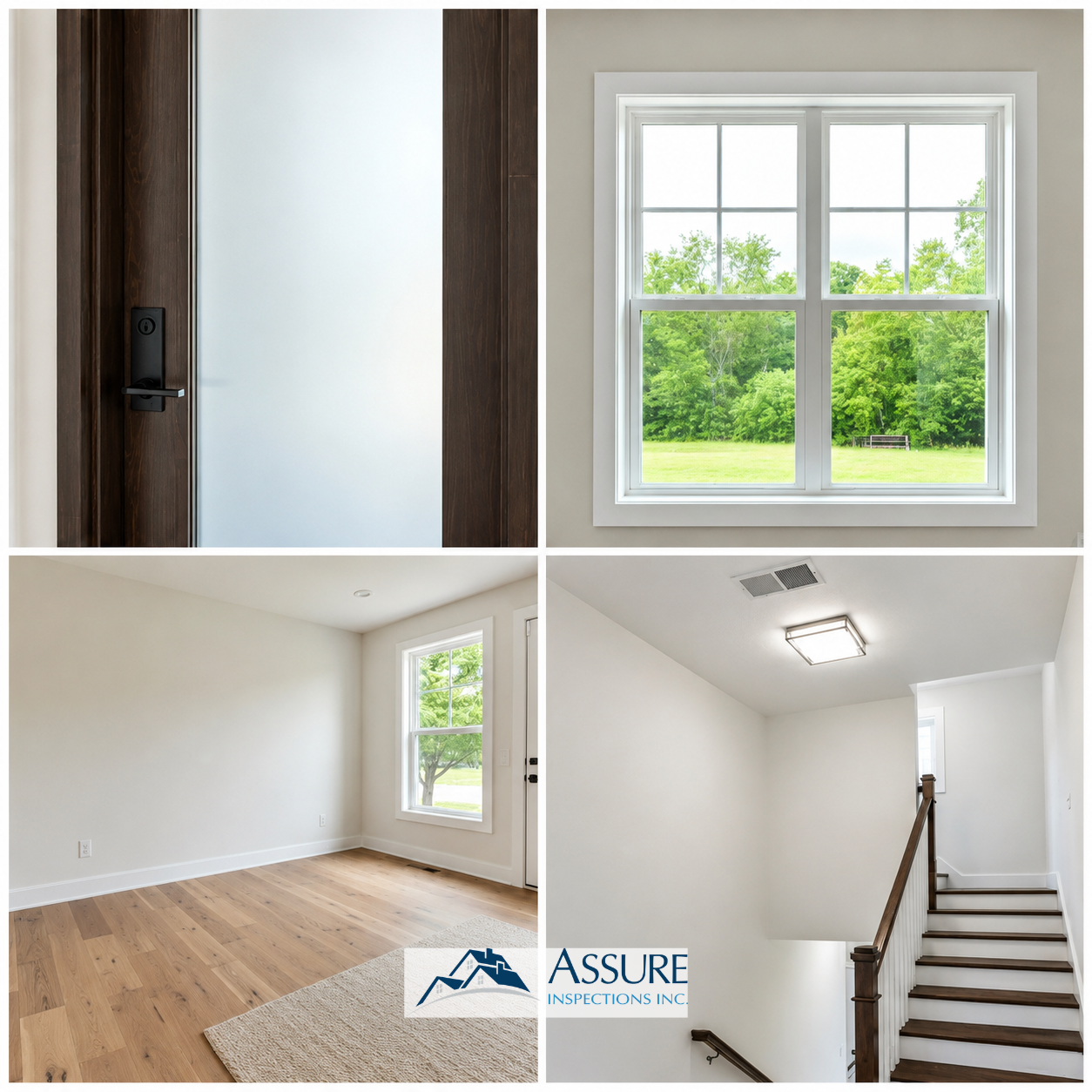
A standard inspection evaluates the home’s major systems and accessible parts. This usually includes the roof, attic, insulation, ventilation, foundation, basement, plumbing, electrical, heating, interior finishes, exterior surfaces, doors, windows, and attached garage. The goal is to spot defects, signs of wear, and conditions that could lead to bigger problems later.
For instance, a well-done electrical system inspection might find outdated wiring, overloaded panels, or unsafe outlets. A plumbing system inspection might reveal slow drains, hidden leaks, or pipes nearing the end of their life. These findings can save you money not only by preventing damage but also by helping you prioritize improvements after moving in.
Areas Where Hidden Damage Often Develops
Some of the costliest home problems start in places buyers rarely see. Crawl spaces, basements, attic framing, and roof penetrations are common trouble spots because they're vulnerable to water, pests, and extreme temperatures. In climates like northern Illinois, freeze-thaw cycles can make these issues even worse over time.
That's why targeted evaluations like attic, insulation, & ventilation inspection and basement inspections are so important. They help uncover moisture-related deterioration, insulation gaps, and airflow issues before they lead to mold growth, rot, or energy loss.
How Inspections Cut Long-Term Ownership Costs
Negotiation Power Before Closing
One of the most direct ways an inspection saves money is through negotiation. If the inspector finds damaged shingles, a failing furnace component, or signs of water intrusion, the buyer can often request repairs or credits. Even partial concessions can reduce your upfront costs and protect your savings for future needs.
Buyers who enter negotiations with a clear inspection report are usually in a stronger position than those who rely on guesswork. This is especially true when the report includes photos, repair recommendations, and specific references to the systems involved. To better understand common issues that affect negotiations, check out our related article on key red flags in home inspections every buyer should know.
Stopping Small Issues from Becoming Big Repairs
Small issues may seem harmless at first, but they often grow into major expenses when ignored. A minor grading problem can channel water toward the foundation. A loose flashing detail can lead to attic moisture and drywall stains. A clogged gutter can eventually cause fascia damage or basement seepage.
The purpose of a home inspection is to catch these patterns early. If you fix a drainage concern or flashing defect in time, you might avoid repairs that are ten times more expensive later. A focused review of grading and drainage inspections and structural components inspection is particularly useful for avoiding long-term structural costs.
Cutting Down Energy Waste and Utility Bills
Home inspections can also save money by identifying inefficiencies that affect monthly utility costs. Missing insulation, poor attic ventilation, drafty windows, and thermal leaks all boost heating and cooling expenses. Thermal imaging, now a standard part of many inspections, helps expose these hidden problem areas.
According to industry coverage from HousingWire, thermal imaging is increasingly used to spot hidden moisture, air leaks, missing insulation, and electrical hotspots. That matters because even a small efficiency problem can add up over years of ownership. When combined with heating system inspections, this info helps buyers make smarter decisions about future operating costs.
Why 2026 Home Inspection Trends Matter to Buyers
Thermal Imaging is Changing the Game
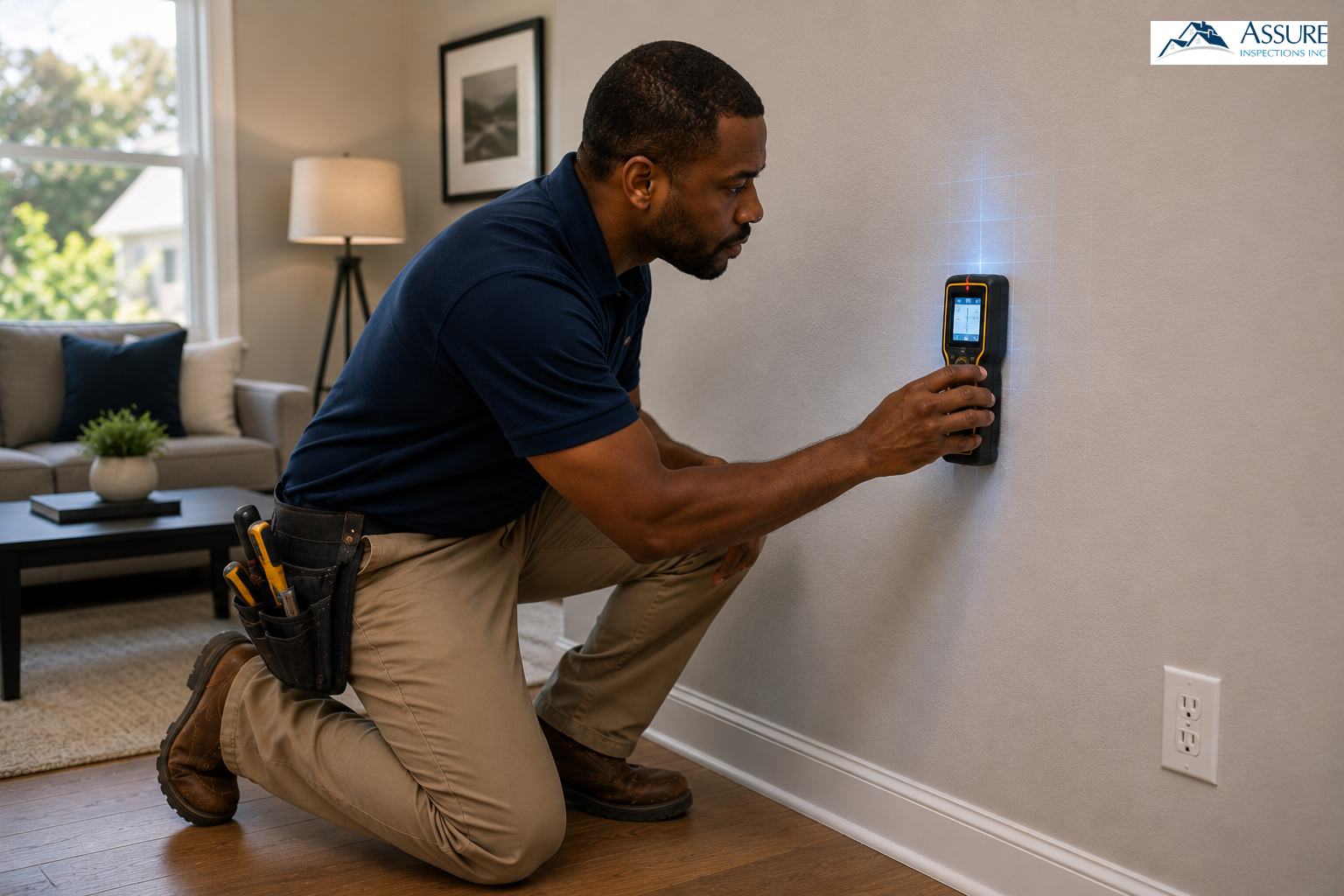
Technology is reshaping what buyers expect from a modern inspection. Thermal imaging was once considered an upgrade, but it's now widely used because it reveals details a basic visual inspection can't. This includes moisture behind walls, missing insulation in attics, overheated electrical areas, and temperature inconsistencies that point to hidden problems.
For buyers, this means better data and fewer unknowns. For sellers, it means issues are more likely to be found before closing rather than after moving in. In practice, that can save both sides time and money by eliminating surprises and helping everyone address problems early rather than through expensive post-sale disputes.
Fewer Buyers are Skipping Inspections
The market has shifted away from the extreme pressure of recent years. Reports in 2026 show that only 14% of buyers are skipping inspections, down sharply from the 2022 peak. This signals that buyers are again prioritizing due diligence and financial protection instead of rushing through one of the most important steps in the purchase process.
This change makes sense. When the market is more balanced, buyers have more leverage to request an inspection and act on what they learn. It's a reminder that skipping this step may save a little time upfront, but it can cost far more later if the home has hidden defects.
New Construction Isn't Automatically Problem-Free
Many buyers assume a newly built home won't have meaningful defects, but that assumption can be costly. Industry research from 2026 indicates that 65% of new builds had issues during inspection, and 24% failed the first inspection entirely. These numbers show why even brand-new homes deserve careful evaluation.
Construction defects may include incomplete flashing, grading problems, plumbing leaks, improperly installed insulation, or safety issues with electrical components. A modern home still benefits from a thorough exterior inspection and a detailed check of visible interior systems. For more details, our related article on why even a modern house needs a professional inspection covers this in depth.
Real-Life Examples of Money Saved by Inspections
Water Intrusion Found Before Closing
Consider a recent case in Texas highlighted in industry reports. During a thorough inspection, the inspector found significant moisture intrusion and electrical issues that weren't obvious during the showing. Because these issues were documented before closing, the buyer negotiated repairs and avoided thousands of dollars in future damage.
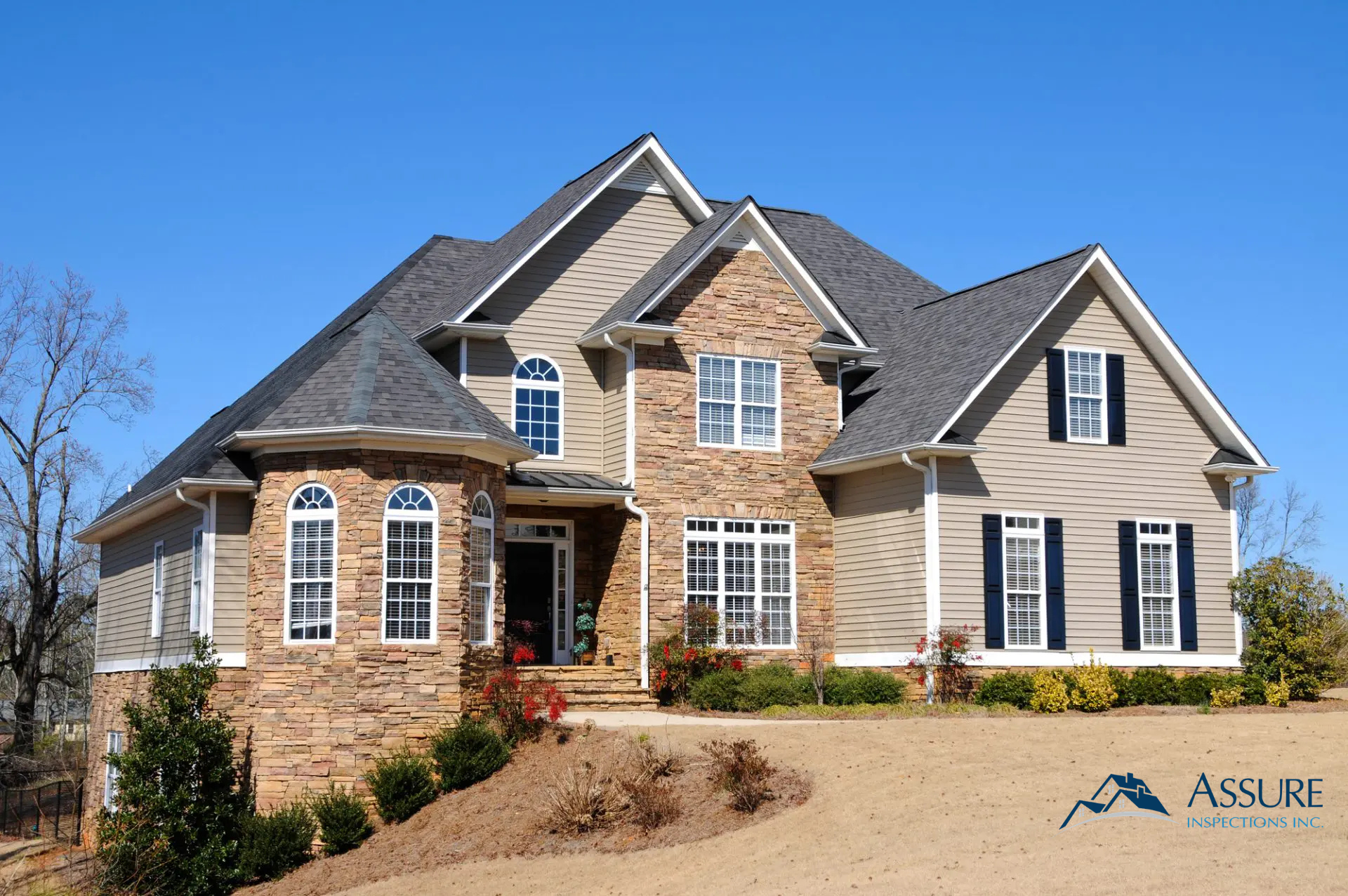
This kind of result is common when inspectors use multiple tools and take the time to evaluate the home’s full envelope. A careful exterior inspection can reveal drainage, siding, and window concerns often connected to hidden water problems inside the home. That early warning can keep a buyer from facing repairs that would otherwise show up later as mold, rot, or foundation movement.
Hidden Attic Issues Uncovered by Advanced Tools
Attic problems are a classic example of why inspections pay for themselves. Poor ventilation, compressed insulation, and old roof penetrations can all increase energy bills and shorten the life of roofing materials. If thermal imaging or attic access reveals these concerns before closing, the buyer can request corrective work or factor those costs into the offer.
That’s especially valuable in regions with changing seasons and harsh winter conditions, where ventilation and insulation play a larger role in long-term comfort. For buyers comparing multiple homes, a cleaner attic and better ventilation may mean lower future maintenance costs, fewer temperature swings, and improved efficiency from day one.
How Buyers Should Use the Inspection Report
Focus on Safety, Structure, and Water Issues First
Not every item in an inspection report is equally important. The smartest buyers focus first on issues that impact safety, structural integrity, and moisture control. These are the problems most likely to generate costly follow-up damage if ignored.
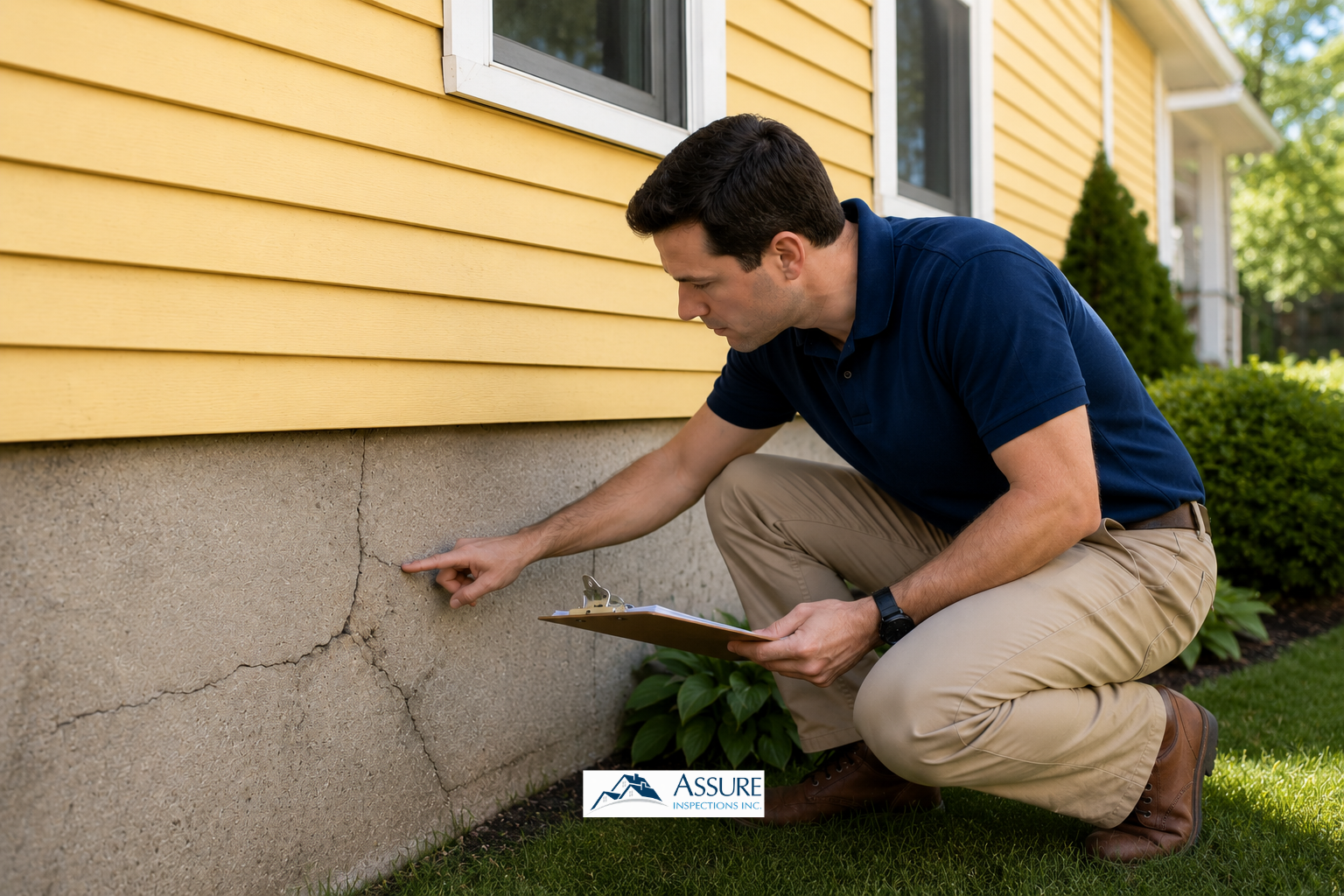
Examples include electrical hazards, active leaks, settlement cracks, failed drainage, and ventilation problems. A detailed review of fireplace inspection, attached garage inspection, and basement inspections can also uncover safety or moisture concerns that should be addressed before closing or shortly after moving in.
Distinguish Urgent Repairs from Maintenance Items
Many reports include both defects and routine maintenance notes. A loose handrail or worn sealant may need attention, but these aren't the same as a failing furnace motor or a compromised foundation wall. Buyers save the most money when they distinguish between cosmetic items and high-cost risks.
This is why a clear, photo-rich report matters. It helps you make a repair plan instead of reacting emotionally. It also prevents overspending on minor issues while allowing you to reserve money for the problems that truly affect the home’s value and safety.
Use the Findings to Build a Post-Closing Plan
Even when sellers agree to some repairs, you may still need a plan for future maintenance after moving in. An inspection can help you map out which items to monitor, which to service annually, and which to budget for over time. That approach turns a home inspection from a one-time event into a long-term financial strategy.
For instance, a buyer might learn that the roof has several years left, but the water heater is nearing replacement. That information allows better cash-flow planning and reduces the chance of emergency spending later. A smart post-closing plan may also include follow-up service on plumbing system inspections or electrical system inspections if the original report identified watch items.
Why Local Conditions Matter in New Lenox and Nearby Communities
Climate and Moisture Concerns Affect Long-Term Costs
Homes in northern Illinois face weather that can challenge even well-built properties. Seasonal temperature swings, heavy rain, and freeze-thaw cycles may stress roofs, foundations, driveways, and drainage systems. Over time, these conditions can lead to settlement, seepage, cracking, and exterior wear.
That's why local buyers benefit from inspections that pay close attention to environment-specific risks. A home in New Lenox may need extra scrutiny in the attic, around the foundation, and in exterior grading areas to ensure the home sheds water properly. The right inspection can prevent avoidable repair costs tied to regional conditions.
Neighborhoods and Property Styles Present Different Risks
Different property types require different priorities. Older homes may need closer attention to structural framing, updates to systems, and signs of settlement. Newer homes may have fewer age-related issues but can still show construction defects, grading concerns, or incomplete finishes.
That's why a professional inspector adjusts the evaluation to the home in front of them rather than relying on a generic checklist. Whether the property is a townhome, single-family house, or newer subdivision build, the goal is the same: uncover problems early and help the buyer avoid expensive surprises after closing.
What Buyers Can Expect From a Professional Inspector
Clear Reporting and Actionable Recommendations
A strong inspection experience should leave you with more than a list of defects. You should receive a clear explanation of what was found, why it matters, and what to do next. Photos, summaries, and practical recommendations help buyers turn technical findings into financial decisions.
At Assure Inspections Inc., the process is designed to be informative and easy to understand. Our inspectors examine the home carefully, note visible concerns, and deliver a report that helps you make confident choices. If you want a deeper look at how reports are structured, our article on what a home inspection really includes is a helpful companion resource.
Service Areas and Specialized Checks
Because every home has different vulnerabilities, specialized inspections matter. Some buyers need more attention on the roof, while others need extra focus on the basement, drainage, or heating equipment. Professional evaluations such as structural components inspection, grading and drainage inspections, and heating system inspections can provide the depth needed to make informed decisions.
If you're comparing properties in the area, a local inspection partner can also help you understand how the home’s condition aligns with regional building trends and climate pressures. That local knowledge often translates into more accurate budgeting and fewer surprises after the sale.
Frequently Asked Questions About Saving Money With Home Inspections
Is a Home Inspection Worth the Cost?
In most cases, yes. When a $400 inspection helps you avoid a $4,000 or $40,000 repair, the return on investment is obvious. Even when major defects aren't found, the inspection still gives you a better understanding of the home’s condition and future maintenance needs.
Can a Home Inspection Help With Insurance or Financing?
Indirectly, yes. While inspections aren't the same as appraisals or underwriting, they can identify issues that might complicate financing, require immediate repairs, or affect your willingness to proceed. A cleaner report can also give buyers more confidence in the purchase and reduce the chance of last-minute stress.
Should I Inspect a Home That Looks Well-Maintained?
Absolutely. Homes can look pristine and still have hidden defects behind walls, under floors, or in attics and crawl spaces. In fact, well-maintained homes often benefit from inspection because the findings confirm what has been done well and identify any issues before they become costly.
What if the Inspection Finds a Lot of Problems?
That’s not necessarily bad news. A long list of findings may include many minor maintenance items. What matters most is the severity of the issues and how they affect safety, structure, and cost. An experienced inspector helps you understand which concerns are urgent and which are simply part of normal ownership.
Conclusion: A Small Upfront Cost Can Prevent Major Long-Term Losses
A home inspection is one of the most practical financial protections available to buyers. It can uncover hidden defects, support smarter negotiations, reduce future repair bills, and help you plan for maintenance with realistic expectations. In a market where advanced tools like thermal imaging are becoming standard, and fewer buyers are willing to skip inspections, the value of due diligence is clearer than ever.
If you're purchasing a home, selling one, or simply want to protect your investment, a professional inspection gives you the information you need to move forward with confidence. From roofing and structure to plumbing, electrical, attic, basement, and drainage concerns, the right inspection can save money in ways that continue long after closing. To schedule an inspection or speak with a knowledgeable professional, contact Assure Inspections Inc. at assurehomeinspector.com or call (708) 692-7877 today.