Common Issues During a Home Inspection
Home inspections are a crucial part of buying and selling a home because they tell you the real condition of a property before you're too committed. They can uncover issues that affect safety, long-term maintenance, and your bargaining power. If you're getting ready for an inspection, knowing the common findings can help you plan and decide when to call in experts for things like roofing system inspections or electrical system inspections.
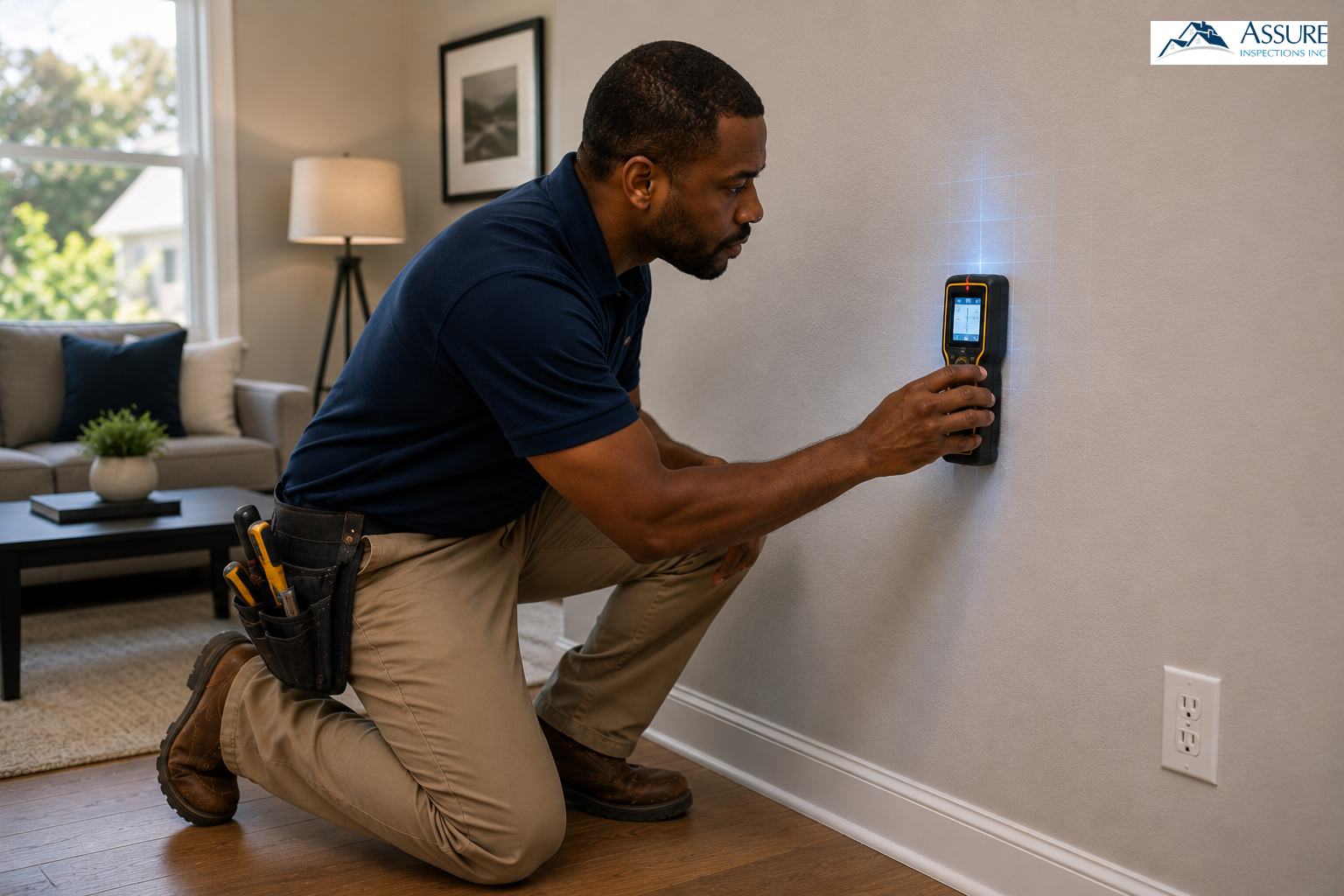
These days, inspections are more advanced than ever. Many certified inspectors use drones, infrared cameras, and moisture meters to check out hard-to-reach areas or spots where issues might be hiding. According to Home Inspector Pro, these tools are making assessments more accurate and efficient, especially when looking for hidden leaks, insulation gaps, or roof damage. For a broader overview, you might want to check out our guide on what a home inspection really includes.
Why Home Inspection Findings Matter
Spotting Hidden Risks Before Closing
Most homes have some wear and tear, but an inspection helps you distinguish between routine maintenance and bigger problems. A cracked tile or loose handrail might be easy fixes, while hidden foundation movement or outdated wiring can lead to big expenses. That's why you should treat the report as a decision-making tool, not just a checklist.
Boosting Negotiation Power
When a report clearly documents defects, buyers can ask for repairs, credits, or price adjustments. Sellers benefit too because they can address issues early and avoid surprises later. For tips on preparing, check out our home inspection tips for buyers and sellers in New Lenox, IL.
Supporting Safer Homeownership
The most common inspection issues aren't just cosmetic; they're often safety concerns. Problems like faulty wiring, poor drainage, and damaged roofs can affect your home right away or cause slow, costly damage over time. Understanding these early helps you make smart repair decisions and maintain your home's value.
Improper Grading and Drainage Problems
Why Drainage Issues Are So Common
Improper grading and drainage are the top issues in inspections. Water can be incredibly destructive, and when soil slopes toward the foundation or downspouts discharge too close to the house, moisture can seep into basements and other areas. The U.S. Environmental Protection Agency explains that moisture control is key to preventing mold and indoor air quality issues, making drainage management essential.
Signs Inspectors Look For
Inspectors typically check for standing water near the foundation, soil sloping inward, clogged gutters, short downspout extensions, and staining near basement walls. They also evaluate if retaining walls or landscaping features are trapping water instead of moving it away from the house.
How Homeowners Can Reduce Risk
Simple fixes can make a big difference. Extending downspouts, cleaning gutters, regrading soil, and maintaining drainage paths can help prevent water issues. For a deeper look, our grading and drainage inspections and exterior inspections can identify hidden issues.
Roof Damage and Maintenance Concerns
Roofing Issues Are Common and Costly
Roof damage is another frequent finding, and even small roof defects can cause big problems if not addressed. Missing shingles, damaged flashing, moss buildup, and loose vents can all point to future leaks. A roof might look fine from the ground, but an inspection often shows issues only visible up close or from above. For a thorough evaluation, our roofing system inspection is a great option.
What Causes Roof Problems
Age is a big factor, but weather exposure, poor installation, and neglect also play roles. Heavy storms can loosen materials, while inadequate attic ventilation can trap heat and shorten shingle life. A case study in Portland showed how moss buildup led to curling shingles and ventilation issues, requiring a full replacement. This shows how small maintenance issues can escalate if ignored.
What to Watch For Before Buying
Buyers should look for visible staining on ceilings, uneven rooflines, sagging areas, and the age of the roofing material. During inspections, professionals might use drones or binoculars to check slopes that are unsafe to walk. If there's a fireplace or chimney, the roofline is even more important because flashing and penetration points often create extra leak risks. That's why many buyers also schedule a fireplace inspection when a home has a chimney or wood-burning system.
Electrical Wiring and Safety Defects
Why Electrical Problems Matter
Improper electrical wiring is a serious finding because it can create fire hazards and shock risks. According to the U.S. Consumer Product Safety Commission, electrical issues are often among the top problems in homes. This category deserves immediate attention when defects are found.
Common Electrical Red Flags
Inspectors often find outdated panels, double-tapped breakers, open junction boxes, and missing GFCI outlets. Older homes might have aluminum wiring or ungrounded outlets. Sometimes, it's not one dangerous defect but a pattern of incomplete upgrades that suggests the system has been modified over time without proper oversight.
How Buyers Should Respond
If the report highlights electrical concerns, take them seriously and consult a licensed electrician. Some issues might be simple fixes, while others could require panel replacement or partial rewiring. For properties with broader concerns, our electrical system inspections can identify safety issues before they become emergencies.
Plumbing Leaks and Water-Related Damage
Small Leaks Can Lead to Major Repairs
Plumbing defects are common because water lines, drains, and fixtures age over time. Even a slow leak under a sink can lead to cabinet damage and mold growth if left unresolved. Home inspectors check for active leaks, stains, low water pressure, corrosion, and slow drains. For a closer look, review our plumbing system inspections.
Where Inspectors Usually Find Plumbing Issues
Bathrooms, kitchens, basements, and utility rooms are common problem areas. Inspectors may examine water heaters, supply lines, and drain piping. In homes with older fixtures, corrosion might be visible at connections and fittings. Where moisture is near the foundation, plumbing issues can overlap with structural concerns.
How to Prepare for Plumbing Findings
Homeowners can reduce risk by checking under sinks, testing faucets, and maintaining caulking. If there's recurring moisture or an odor in lower levels, a more detailed assessment might be necessary. Our basement inspections and foundation and crawl space inspections are useful when the source of water intrusion isn't obvious.
Foundation Cracks and Structural Concerns
When Cracks Are Cosmetic and When They Aren't
Foundation cracks don't always mean a home is unsafe, but they're closely watched during inspections. Hairline cracks might be common in poured concrete, but wider cracks, stair-step fractures, and uneven floors can point to movement or settlement. When needed, a structural components inspection can provide more insight.
Why New Lenox Homes May Face Foundation Challenges
In areas like New Lenox, freeze-thaw cycles can contribute to soil movement and moisture intrusion around foundations. Seasonal expansion and contraction may place pressure on concrete and masonry. That's why inspectors pay attention to grading, drainage, and foundation conditions together.
What Inspectors May Recommend
Depending on what they see, inspectors might recommend monitoring, sealing, or further evaluation by a structural professional. In crawl spaces, moisture and structural concerns often overlap, so consistent maintenance and good ventilation matter. For more on moisture management, check out our article on why a vapor barrier matters in a crawl space.
Attic, Insulation, and Ventilation Problems
Hidden Issues That Affect Comfort and Efficiency
Attic problems are often overlooked because they're out of sight, but inspectors pay close attention to this area. Poor insulation, blocked ventilation, moisture, and pests can appear in the attic before showing up elsewhere. Our attic, insulation, and ventilation inspection spots these issues early.
How Ventilation Problems Show Up
A poorly ventilated attic can trap heat and humidity, causing condensation, wood deterioration, and premature roof wear. In winter, it can contribute to ice dam formation, while in summer, it raises cooling costs. Inspectors often check for blocked vents and inconsistent insulation coverage.
Why Thermal Tools Matter
Infrared cameras help detect cold spots, missing insulation, or moisture signatures not seen during a standard check. These tools improve report quality and help homeowners prioritize repairs. This tech shift is one reason modern inspections offer more value than just a surface review.
Interior Defects and Everyday Safety Hazards
Floors, Walls, Ceilings, and Stairs
Interior findings might seem less dramatic than foundation or roof defects, but they're still important. Inspectors check floors for sloping, walls and ceilings for staining, and stairs for loose handrails. These issues can indicate hidden structural movement or leaks that need attention before move-in.
Doors and Windows
Sticky doors, broken locks, fogged window panes, or damaged seals are common findings. While some issues are minor, they can hint at settlement, poor installation, or failing materials. For a complete interior review, our interior inspections focus on everyday elements that make a home functional and safe.
Garage and Appliance Safety
Attached garages and appliances can hide concerns, too. Inspectors check for fire separation, damaged doors, and ventilation issues. The garage is key because it connects to the living space and may expose occupants to carbon monoxide or fire risks. For older ranges or built-in ovens, appliance operation should be reviewed with an attached garage inspection and a built-in appliances inspection.
How to Read a Home Inspection Report
Focus on Safety First
An inspection report should help you understand which items are urgent, which are routine, and which need monitoring. Start with safety issues like electrical hazards, structural movement, or roof leaks. These should get priority because they can affect the home immediately.
Look for Patterns, Not Just Isolated Findings
One issue might be manageable, but multiple findings in the same area could indicate a broader problem. For example, if the report mentions roof wear, attic moisture, and ceiling staining, they might be connected. Recognizing the pattern helps you decide if the concern is local or larger.
Ask for Clarification When Needed
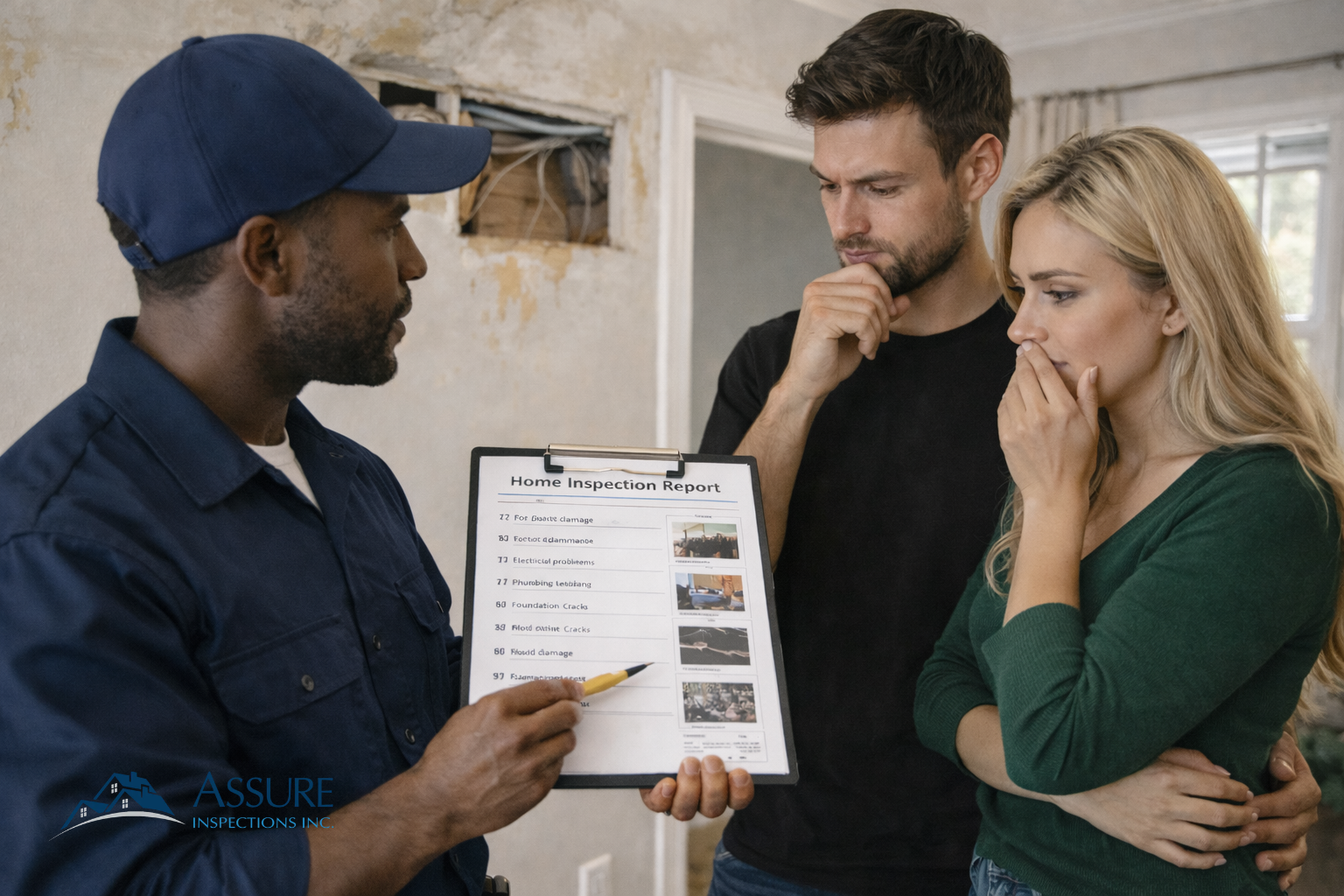
Inspection reports can include technical language that might be unfamiliar. If a recommendation is unclear, ask the inspector what it means in practical terms. Good inspectors provide photos, explanations, and next-step recommendations so you can make informed choices.
Practical Ways Buyers and Sellers Can Prepare
Before the Inspection
Buyers should understand the scope of the inspection and what specialty services might be useful. Sellers can help by ensuring access to attics, basements, and mechanical rooms. Clearing clutter and making sure utilities are on can help the inspection go smoothly. To prepare, our guide to exterior home checks can help you spot issues early.
During the Inspection
Being present can be helpful as it lets buyers see concerns firsthand and ask questions. But remember, the inspector is there to evaluate the home, not estimate remodeling ideas or make emotional judgments. Staying focused on the facts will help you get the most value from the visit.
After the Inspection
Once you have the report, create a simple action plan. Group findings into categories like safety, urgent repair, routine maintenance, and items to monitor. Then, request quotes from qualified contractors. This approach can prevent hasty decisions and help you budget responsibly.
Frequently Asked Questions About Common Home Inspection Issues
What Are the Most Common Issues Found During a Home Inspection?
The most common issues include improper grading and drainage, electrical defects, roof damage, plumbing leaks, and foundation concerns. Inspectors also frequently find attic ventilation issues and interior safety hazards. The exact results depend on the home's age and upkeep.
How Can I Prepare for a Home Inspection?
Make sure all areas are accessible, including attics, basements, and crawl spaces. Replace burned-out bulbs, unlock doors, clear clutter around utility equipment, and be honest about known issues. Preparation allows for an accurate and complete inspection.
Should I Worry About Every Issue in the Report?
Not every item is a dealbreaker. Many reports include maintenance notes or cosmetic concerns. The key is to distinguish between urgent safety risks and ordinary upkeep. A qualified inspector can help you prioritize appropriately.
Do Newer Homes Still Need Inspections?
Yes. Even new homes can have defects from rushed construction or installation errors. A modern home may also hide issues not obvious during a final walkthrough. Never assume new construction means perfect construction.
Conclusion: Making Smart Decisions Based on Inspection Findings
Common issues found during a home inspection often revolve around water, structure, electrical safety, roofing, plumbing, and ventilation. While these findings can seem overwhelming, they're valuable because they provide the information needed to make wise decisions. A proper inspection helps you understand what needs attention now, what can wait, and where a property might need specialized follow-up.
At Assure Inspections Inc., we believe a clear report is more than a list of problems—it's a roadmap for confident ownership. Whether you're buying, selling, or maintaining a home, our certified team provides thorough evaluations with photos, explanations, and practical recommendations. If you're ready to schedule an inspection or need guidance on a specific concern, explore our services or contact us today at (708) 692-7877, email office@assurehomeinspector.com, or visit us at 2 Ford Dr, Suite H, New Lenox, IL 60451, USA. A careful inspection today can save you from expensive surprises tomorrow.