What Problems Can a Home Inspection Reveal Before You Buy?
Buying a home is exciting, but it can feel risky if you don't know what's hiding behind the walls, under the floors, or above the ceiling. A thorough home inspection helps you spot issues early so you can make a smarter offer, negotiate repairs, or walk away from a deal that doesn’t make financial sense. If you're considering a detailed interior inspection or a more focused check like a roofing system inspection, the goal is the same: uncover problems before they become your headache.
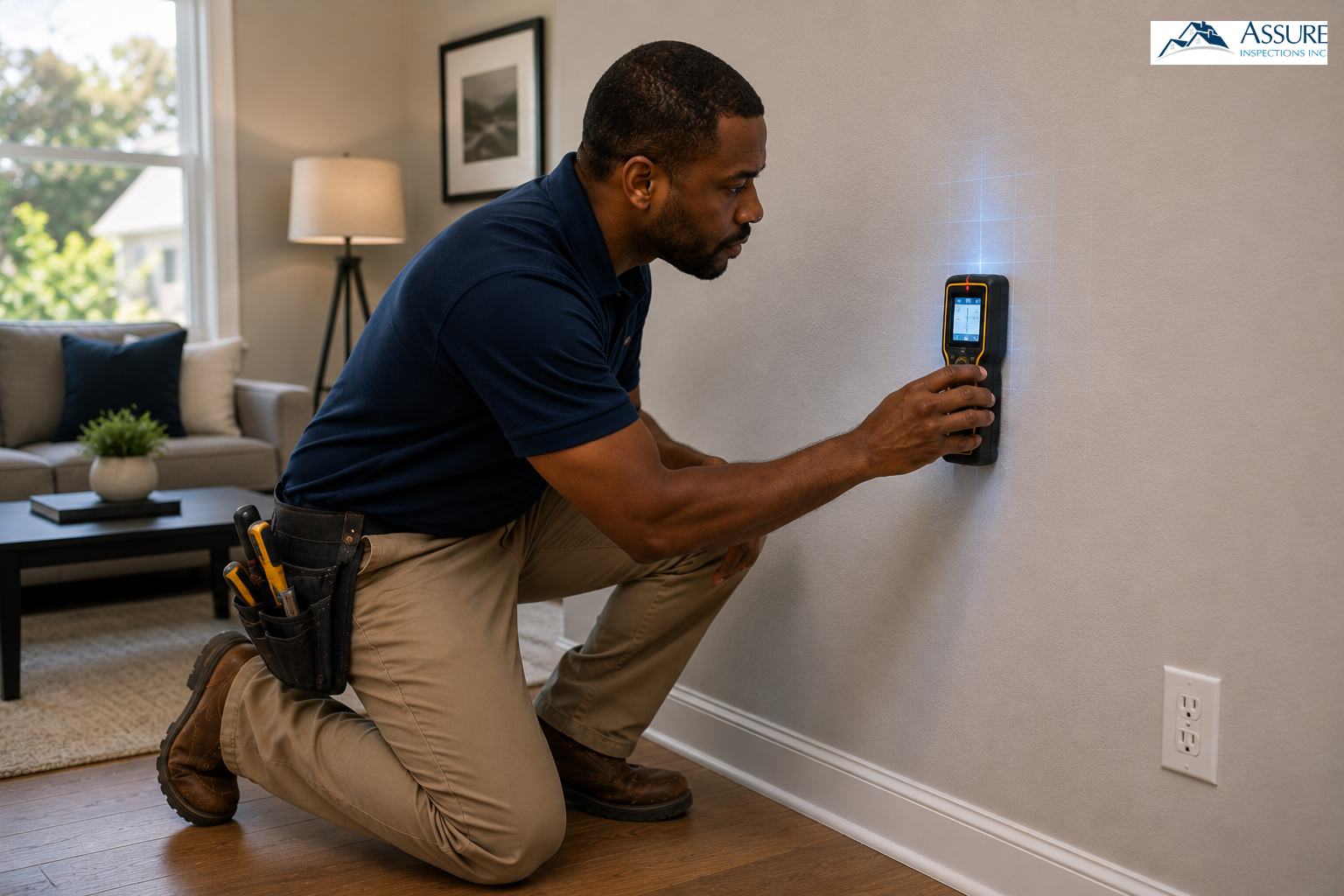
Home inspections today are more advanced than ever. Many inspectors now use thermal imaging to detect missing insulation, hidden moisture, air leaks, and electrical hot spots that might not be visible during a regular walkthrough. This extra layer of insight can make a huge difference, especially when a house looks move-in ready but may still have costly defects. For background on home-buying standards, the U.S. Department of Housing and Urban Development offers helpful consumer guidance at HUD.gov.
Why Home Inspections Matter Before You Buy
They reveal issues you can't see during a showing.
Open houses and private tours are great for checking out the layout and style, but they rarely expose the conditions that matter most to your budget. A house can look clean and updated while still hiding roof leaks, old wiring, drainage problems, or structural movement. A trained inspector knows where to look and what signs point to minor maintenance issues versus major repairs.
They help you negotiate with confidence.
Inspection findings give you leverage. If the report shows damaged shingles, corroded plumbing, or foundation cracks, you might be able to ask for repairs, request a credit, or renegotiate the purchase price. This is one reason buyers often choose a pre-purchase inspection before signing final paperwork. When you know the condition of the property, your decisions are based on facts instead of guesswork.
They protect your long-term investment.
Owning a home is more than just paying the mortgage. It also includes maintenance, repairs, and upgrades that can add up quickly if problems are missed before closing. A detailed report from a professional inspection can help you plan for future expenses and prioritize what needs attention first. For more on this, check out our guide on how inspections save money long-term.
Common Problems a Home Inspection Can Reveal
Roofing problems
The roof is one of the most important parts of the home, and it's also one of the most common sources of surprise expenses. Inspectors often find missing or damaged shingles, deteriorated flashing, poor ventilation, and signs of past or active leaks. A roof may still look good from the ground, but small defects can lead to water intrusion and expensive interior damage if ignored. That's why a dedicated roof inspection is so valuable for buyers.
Structural concerns and foundation movement
Structural issues are among the most serious findings in any inspection. Cracks in foundation walls, sloping floors, separated trim, and stuck doors may indicate settling or movement that needs further evaluation. According to the American Society of Home Inspectors, structural defects are big red flags because they can affect both safety and resale value. When needed, a focused structural components inspection can help identify whether the issue is cosmetic or more serious.
Water damage, drainage, and mold risks
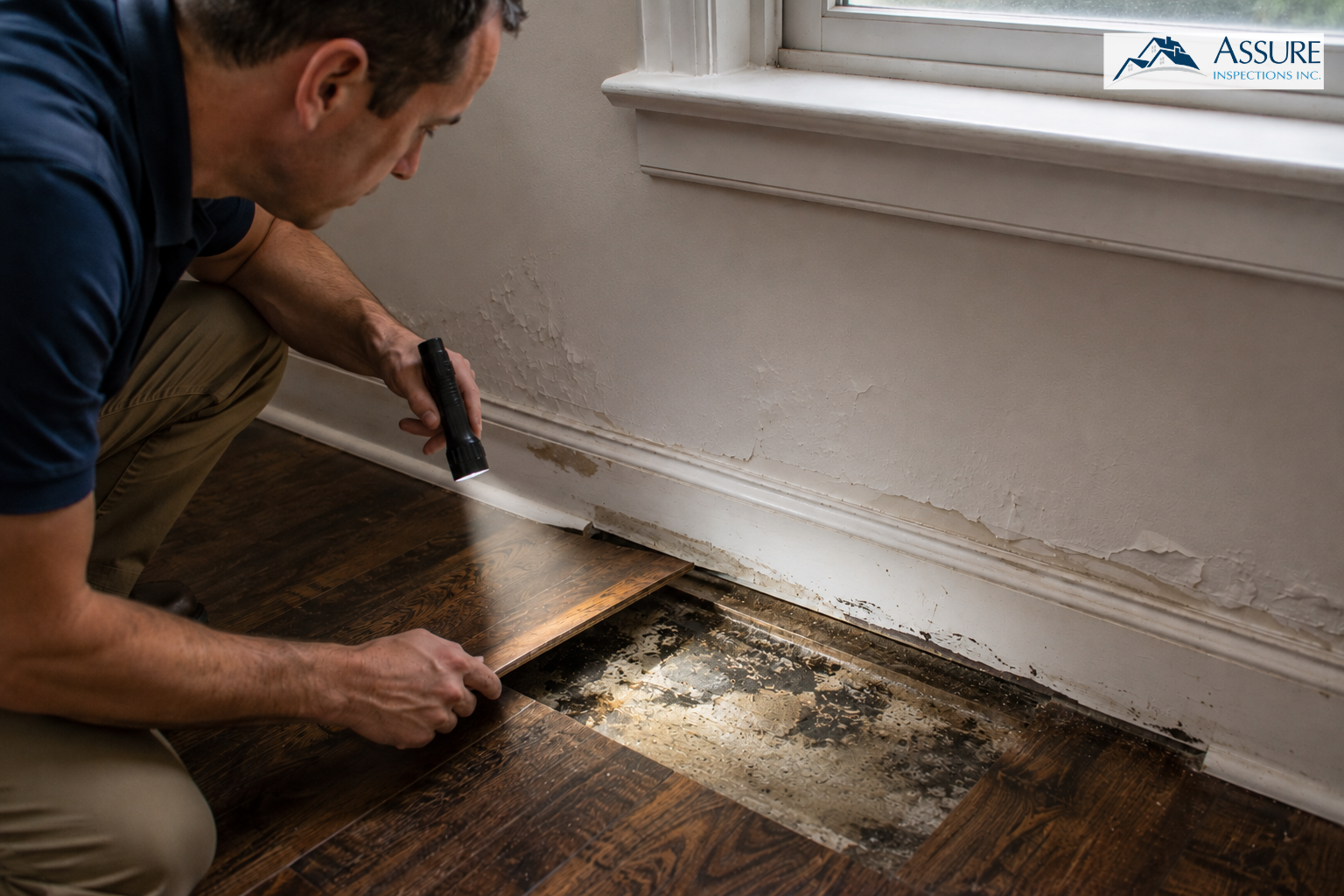
Water is one of the most destructive forces in a home. Inspectors frequently uncover moisture intrusion in basements, crawl spaces, attics, and around windows or roof penetrations. The Environmental Protection Agency notes that moisture control is essential because persistent dampness can lead to mold growth and indoor air quality issues; you can learn more at EPA mold guidance. In many cases, problems start outside the home, which is why a grading and drainage inspection can be just as important as checking the interior.
Electrical hazards
Outdated panels, improper wiring, ungrounded outlets, and missing GFCIs are common inspection findings. These issues matter because they can create shock hazards, fire risks, and future repair costs. Buyers often assume a home is safe if the lights work and the outlets function, but a visual inspection can reveal deeper concerns that need an electrician’s attention. For a closer look, see our expert guide to electrical system inspections and our service page for electrical system inspections.
Plumbing defects
Leaking supply lines, slow drains, corroded pipes, poor water pressure, and aging water heaters are frequent findings. Some of these issues are minor, but others can point to larger concerns, such as hidden leaks or failing components. A home inspection will typically identify visible plumbing problems, while also suggesting when a licensed plumber should evaluate a system more closely. If you're worried about future repair bills, a plumbing system inspection can provide peace of mind.
HVAC system problems
Heating and cooling systems can be expensive to repair or replace, so buyers should pay close attention to their condition. Inspectors often find dirty filters, weak airflow, poor maintenance, aging units, or systems that no longer heat and cool efficiently. In older homes, the system may still run but be near the end of its service life, which means replacement could be coming sooner than expected. A targeted heating system inspection helps buyers understand how the equipment is performing and what future costs may be ahead.
How Modern Inspection Technology Improves Results
Thermal imaging finds hidden issues.
One of the big trends in the home inspection industry is the use of thermal imaging. What was once considered an upgrade is now becoming more common because it helps inspectors spot issues that aren't visible to the naked eye. Thermal cameras can help detect temperature differences that suggest missing insulation, hidden leaks, electrical overheating, or moisture intrusion. Industry discussions in publications such as Briefs.co show that buyers increasingly expect these tools as part of a modern, thorough evaluation.
Clear reporting makes findings easier to act on
Technology is only useful when it's explained clearly. That's why strong inspection reports include photos, detailed observations, and practical recommendations. Buyers should be able to understand what was found, how serious it is, and what to do next. At Assure Inspections Inc., we focus on transparent reporting so clients can move from uncertainty to action with confidence. If you want to learn more about how that process works, our complete guide to what a home inspection includes is a helpful starting point.
Specialized areas can reveal hidden risk.
Some of the most overlooked problems are found in spaces buyers rarely visit. Attics may show inadequate insulation, poor airflow, or signs of condensation. Crawl spaces may reveal moisture, pest intrusion, or support issues. Basements can show efflorescence, cracks, or evidence of past flooding. That's why services like attic, insulation, and ventilation inspection, and foundation and crawl space inspections are so useful when buyers want a deeper picture of the property.
What Inspectors Look For in Key Areas of the Home
The exterior and drainage system
The outside of a house often tells you a lot about how well it has been maintained. Inspectors review siding, trim, windows, doors, soffits, grading, driveways, and visible moisture concerns. Poor drainage can send water toward the foundation and create long-term damage. If you're preparing to buy a home, a complete exterior inspection can help identify problems before they spread indoors. This is especially useful in areas where freeze-thaw cycles and heavy rains can quickly worsen small defects.
The attic, garage, and interior living spaces
Inside the home, inspectors look for signs of water staining, cracking, settlement, damaged finishes, and safety concerns around stairs or access points. Attached garages receive special attention because they can affect fire separation, ventilation, and entry safety. An attached garage inspection is helpful when the garage shares walls or systems with the home. In addition, an interior inspection can reveal issues with walls, ceilings, floors, windows, and doors that may point to hidden problems elsewhere.
Basements, fireplaces, and built-in appliances
Basements can reveal previous water intrusion, cracks, or structural movement, while fireplaces may expose venting or masonry concerns. Built-in appliances also matter because buyers should know whether the equipment is working as expected or nearing replacement. When needed, specialized evaluations such as basement inspections and fireplace inspections give you a more complete understanding of these areas. Even a built-in appliances inspection can save headaches after closing by identifying obvious performance or safety issues.
Real-World Examples of Issues Found Before Closing
Case study: foundation cracks changed the deal
In one recent example from the New Lenox area, a buyer was ready to move forward on a home that looked well cared for. During the inspection, significant foundation cracks were discovered, along with evidence of movement that raised concerns about future repairs. Instead of proceeding blindly, the buyer used the report to renegotiate the purchase price and set aside funds for structural evaluation. That kind of outcome demonstrates how a foundation and crawl space inspection can directly affect financial decisions.
Case study: outdated wiring had to be addressed before closing
In another case, an inspection of a Chicago home uncovered outdated electrical wiring that posed a safety concern. The seller agreed to update the system before closing so the property would meet modern safety expectations. This prevented the buyer from inheriting an immediate repair burden and reduced the risk of electrical hazards after move-in. Situations like this are common reminders that an inspection is not just about finding defects; it is about identifying what must be corrected before a sale is finalized.
Water damage often leads to bigger discoveries.
Many buyers are surprised by how often visible water stains lead to larger concerns. A small ceiling spot can point to a roof leak, poor flashing, or plumbing failure inside a wall. In some cases, the moisture has already created mold or weakened building materials. The HGTV overview of common inspection problems highlights water damage as a frequent and important issue, and you can read more at HGTV. The lesson is simple: if water is present, the problem may be bigger than it looks.
How to Prepare for a Home Inspection as a Buyer or Seller
Make all areas accessible
Whether you are buying or selling, access matters. Inspectors need to reach attics, basements, crawl spaces, utility rooms, electrical panels, and mechanical systems. If furniture, storage, or personal items block key areas, the inspector may not be able to perform a complete evaluation. Sellers who prepare the home well often help the process go more smoothly and reduce follow-up delays.
Attend the inspection if you can
Being present during the inspection is one of the best ways to understand the property. You can ask questions, see concerns in person, and learn what is urgent versus what is routine maintenance. This is especially helpful for first-time buyers who may not know how to interpret terms in the report. If you want to be more prepared before the appointment, our home inspection tips guide offers practical advice.
Address minor repairs before listing.
Sellers can improve the inspection experience by taking care of easy fixes ahead of time. Replacing burned-out bulbs, repairing leaky faucets, tightening loose handrails, and clearing access points all help the inspector do a better job. A clean, well-maintained home does not hide major problems, but it can reduce the number of minor issues that show up in the report. For sellers planning, a guide to inspection red flags can help you spot trouble before a buyer does.
Which Problems Are Most Likely Deal-Breakers?
Major structural damage
Serious structural problems are often the most concerning because they can affect safety, insurance, lending, and long-term livability. Large foundation shifts, significant framing failures, or compromised load-bearing elements may require extensive repair. In many cases, buyers will request a specialist evaluation before deciding whether to continue. This is one reason structural concerns are treated as a top priority in nearly every inspection.
Significant water intrusion or mold
Repeated flooding, active leaks, or widespread mold can signal ongoing moisture control problems. Even if the visible damage seems limited, the hidden impact can be far greater. Mold issues may also create health concerns for sensitive occupants, and moisture can reduce the structural integrity of building materials over time. A home with unresolved water problems may still be purchased, but only after the buyer understands the true scope and cost of remediation.
Unsafe or outdated electrical systems
Electrical problems can be expensive and urgent, especially when panels, wiring, or outlets do not meet current safety expectations. If the inspection reveals clear hazards, the buyer may need the seller to complete repairs before closing or provide compensation to handle the work later. For a deeper look at the most common warning signs, the Redfin article on inspection problems is a useful reference at Redfin. In serious cases, the issue may be a deal-breaker until a licensed professional corrects the concern.
Why Local Expertise Matters in New Lenox and Nearby Areas
Older and newer homes have different risks.
In communities like New Lenox, homes can vary widely in age, style, and maintenance history. Older homes may have original plumbing, legacy wiring, or less efficient insulation, while newer homes can still have construction defects or drainage concerns. That mix means buyers need inspectors who understand how different systems age and fail. Local experience helps identify patterns that matter in real homes, not just textbook examples.
Regional weather can affect inspection findings.
Illinois weather can place extra stress on roofs, foundations, basements, and exterior drainage systems. Freeze-thaw cycles can expand cracks, heavy rain can expose grading issues, and temperature swings can reveal weaknesses in insulation or ventilation. This is why many buyers request services such as grading and drainage inspections, attic ventilation inspections, when buying in the area. A local inspector understands which concerns are common and which deserve close follow-up.
Trusted inspections support smarter buying decisions.
At Assure Inspections Inc., we help buyers, sellers, and homeowners understand the true condition of a property before decisions are made. Our process is designed to provide clear findings, useful recommendations, and fast turnaround so you can keep the transaction moving. If you're searching for reliable home inspection services in New Lenox, IL, our team is ready to help with precision and care.
Final Thoughts: Use the Inspection to Your Advantage
Think of the report as a decision-making tool.
A home inspection is not meant to scare you away from every property. Instead, it gives you the information you need to make a confident, informed choice. Some findings will be simple maintenance items, while others may reveal serious repair needs that affect price, timing, or whether the home is right for you at all. The more you understand the report, the stronger your position becomes as a buyer.
Ask questions and plan your next step.
If your inspection reveals a concern, don’t panic. Review the photos, ask the inspector to explain the severity, and decide whether the issue requires a contractor, specialist, or simple monitoring. Many buyers use the report to negotiate repairs, while others use it to budget for future improvements after closing. Either way, the inspection is doing exactly what it should: protecting your interests.
Take action before you close.
If you’re preparing to buy a home, schedule a professional inspection early enough to leave time for follow-up discussions. The sooner problems are identified, the easier it is to respond strategically. To learn more or book a service, visit Assure Inspections Inc. or call (708) 692-7877. You can also reach our office at 2 Ford Dr, Suite H, New Lenox, IL 60451, USA for trusted support before you buy.
Ready to make a smarter purchase? Contact Assure Inspections Inc. today and get the clear, professional home inspection report you need before closing.