What issues can cause a Home Inspection to fail?
Curious about what might cause a home inspection to fail? You're not alone. Buyers and sellers often want to know what issues could be serious enough to impact safety, value, or even the whole home-buying process. A home inspection is meant to uncover hidden problems, like roof leaks, electrical hazards, or drainage issues, that aren't obvious during a quick walk-through. Knowing these red flags helps sellers get their homes ready and allows buyers to make informed decisions.
Today, home inspections have become more thorough than ever. Here at Assure Inspections Inc., our mission is to give you a clear and honest understanding of a property's condition, whether you need a standard check-up or a more focused roof inspection, electrical system inspection, or plumbing system inspection. This guide covers the most common issues that could cause a home inspection to fail, how inspectors identify them, and what you can do before closing day.
For buyers, the main perk is minimizing risk. For sellers, it's all about preparation. And if you're a homeowner looking ahead, keeping up with maintenance protects both the value and safety of your property. If you want to dive deeper, check out our guide on what a home inspection really includes.
Common Issues That Can Cause a Home Inspection to Fail
Roofing Problems and Leaks
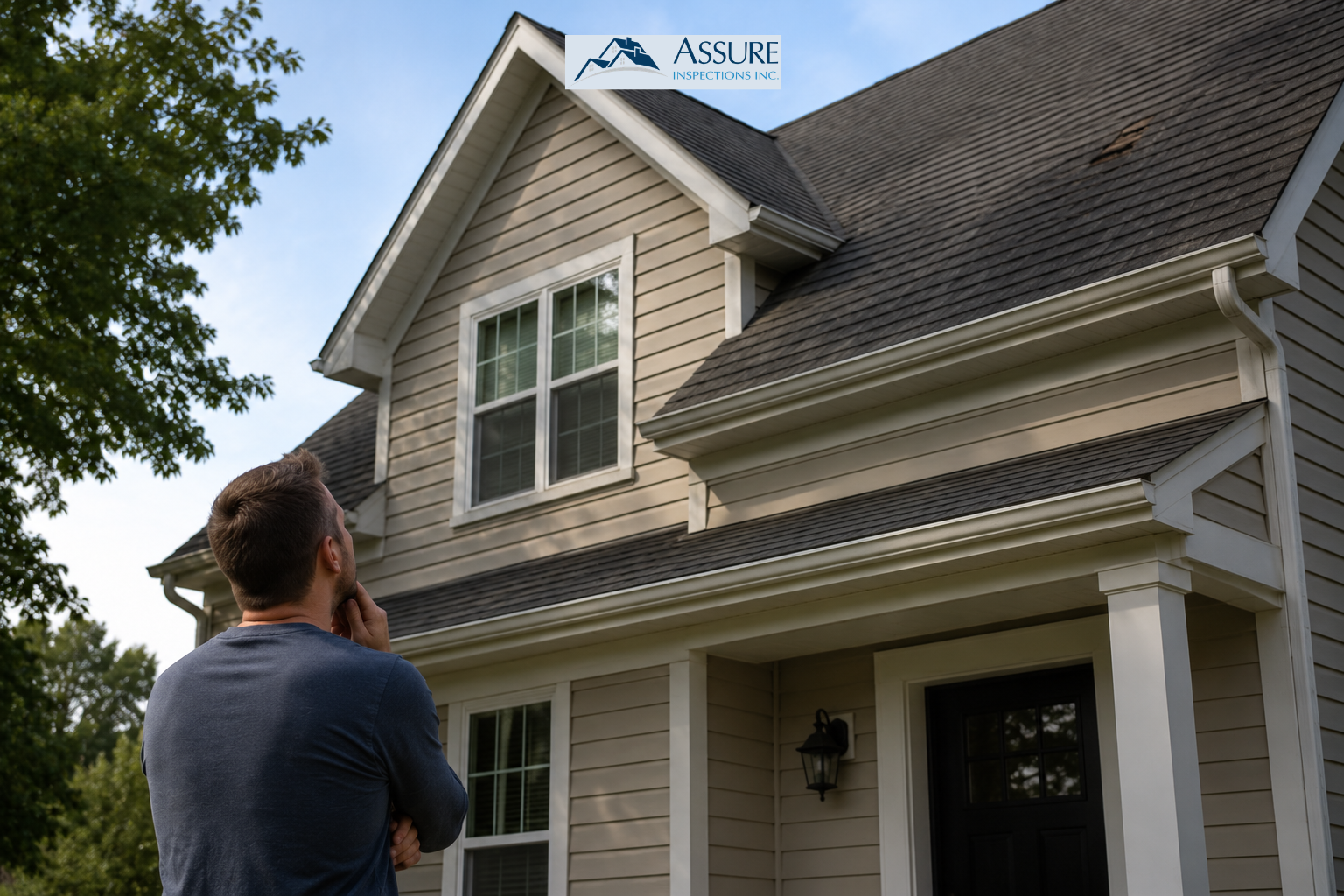
Roofing issues often top the list of concerns during a home inspection. Missing shingles, damaged flashing, soft spots, visible leaks, and signs of wear and tear could all indicate that the roof needs repairs or even a full replacement. Even if the roof isn't completely falling apart, minor issues can let moisture seep into the attic, insulation, and walls over time.
Experts always recommend keeping up with roof maintenance. The U.S. Department of Energy points out that moisture and poor insulation can impact a building's performance and lifespan, making roof issues something you shouldn't ignore. For buyers, a roof problem can quickly change the economics of a purchase. Sellers can benefit from a pre-listing roofing system inspection to catch issues before they become deal-breakers.
Electrical Hazards and Outdated Systems
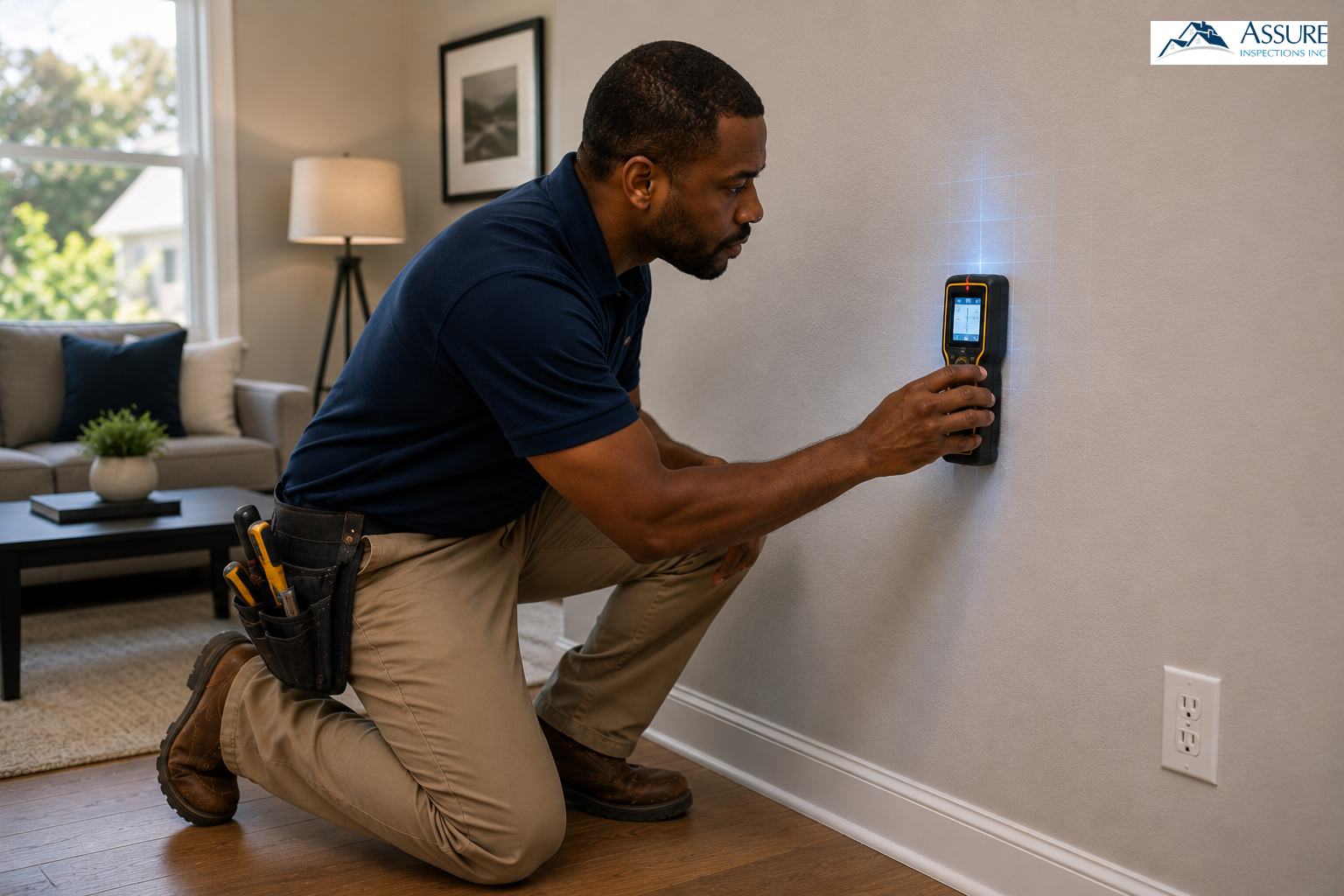
Electrical issues are another big reason for failing a home inspection. Inspectors check for outdated wiring, overloaded circuits, damaged outlets, and signs of overheating or unsafe modifications. Electrical problems are a serious concern because they can lead to fires, shocks, or system failures.
According to the U.S. Consumer Product Safety Commission, electrical issues cause thousands of residential fires each year, making them one of the most critical safety concerns in a home. If you notice any issues, scheduling an electrical system inspection is a good start. For more on this, you might find our article on electrical system inspections in New Lenox, IL, useful.
Plumbing Leaks, Corrosion, and Drainage Problems
Plumbing issues can also spell trouble during an inspection if leaks, low water pressure, corroded pipes, or drainage problems are found. Even a small leak under a sink or around a water heater can signal bigger issues with aging fixtures or supply lines. Ignoring plumbing problems often leads to water damage, mold growth, and increased repair costs.
Home inspectors focus on visible pipes, fixture functionality, water pressure, and drainage speed. A thorough plumbing system inspection is especially crucial for homes with older pipes or signs of previous repairs. While plumbing concerns aren't always deal-breakers, widespread or severe leaks might significantly impact a transaction.
Structural and Foundation Concerns
Foundation Cracks and Settling
Foundation issues are often the most daunting findings in a home inspection because they can affect the entire structure. While small shrinkage cracks aren't always alarming, wider cracks, sloped floors, and sticking doors may indicate movement that needs immediate attention. Inspectors may not diagnose every structural issue, but they do point out warning signs that require further evaluation.
Scheduling a foundation and crawl space inspection is a great way to reduce risk if there are signs of moisture or movement. Sometimes foundation problems are linked to poor drainage or soil conditions, highlighting the importance of proper grading and water management. If you're curious about exterior warning signs, check out our article on exterior home inspection checkpoints.
Structural Damage in Framing or Load-Bearing Components
Damage to beams, joists, posts, or framing can also lead to a failed inspection. These problems may result from water intrusion, termites, improper modifications, or long-term wear. Compromised structural components aren't just cosmetic issues—they can affect the house's stability and safety.
Since these problems aren't always visible during a regular walk-through, a detailed structural components inspection is often recommended if inspectors notice any sagging, cracking, or movement. Buyers should take these findings seriously, especially when combined with symptoms like uneven floors or misaligned doors. Sellers who address structural concerns early are generally in a much better position to keep a deal moving smoothly.
Basement Moisture and Crawl Space Problems
Basements and crawl spaces often reveal issues that lead to inspection problems, such as drainage, humidity, and foundation clues. Water stains, musty odors, standing water, and mold growth are all signs of chronic moisture issues. These discoveries often require follow-up inspections or repair recommendations.
To get a full picture, buyers and sellers should consider a basement inspection or crawl space evaluation if any moisture-related signs appear. Water intrusion is often tied to the slope of the yard, clogged gutters, or poor downspout discharge. That's why grading and drainage inspections are so valuable to prevent repeated moisture issues.
Water Damage, Mold, and Exterior Defects
Water Intrusion and Hidden Moisture
Water damage might cause a home inspection to fail if it's active, recurring, or linked to broader neglect. Inspectors look for ceiling stains, warped materials, bubbling paint, and damaged trim. Since water can travel through a home before becoming visible, even a small stain can indicate a big issue.
The Environmental Protection Agency advises that moisture control is crucial to reducing mold growth and indoor air quality issues. This makes water intrusion a health concern as well as a property issue. If there's evidence of ongoing moisture entry, buyers might request repairs, a price adjustment, or additional testing before moving forward.
Mold Growth and Poor Ventilation
Mold often appears in poorly ventilated areas with chronic leaks or damp materials. While not every mold sighting is disastrous, significant growth can trigger concern and further investigation. Mold is especially common in attics, basements, bathrooms, and crawl spaces.
A complete attic, insulation, and ventilation inspection helps identify problems contributing to excess humidity and condensation. Proper airflow is crucial to prevent mold, wood rot, and insulation failure. For a broader look at moisture issues, our article on hidden moisture in the home explains why this problem is often underestimated.
Exterior Maintenance and Drainage Issues
Exterior defects can set the stage for failed interior inspection results. Damaged siding, missing caulk, worn windows, deteriorated trim, and cracked walkways can all allow water to enter or collect around the home. Even a downspout directing water too close to the foundation can create bigger issues over time.
That's why inspectors pay close attention to outside surfaces during a full exterior inspection. In many cases, sellers can avoid major issues by completing routine maintenance before listing the property. Taking care of the outside is one of the most cost-effective ways to protect both curb appeal and inspection results.
Heating, Fireplaces, and Safety Systems
Heating System Failures or Unsafe Operation
Heating problems might cause a home inspection to fail if the equipment is unsafe, nonfunctional, or nearing the end of its useful life. Inspectors check whether the system operates correctly and look for visible leaks or corrosion. In colder seasons, a heating failure can become a serious concern quickly.
For homes with older furnaces or inconsistent heating, a heating system inspection can help determine if repairs or replacement are needed. A home that can't maintain safe and reliable heat might make buyers hesitate, especially if the issue is discovered late in the transaction. Sellers are advised to test HVAC equipment well before listing.
Fireplace and Chimney Safety Concerns
Fireplaces can be attractive features, but they can also cause inspection concerns if the flue is damaged, masonry is deteriorated, or clearances are unsafe. Creosote buildup, cracked fireboxes, and missing damper parts all point to problems needing professional attention.
A fireplace inspection is useful for homes with a wood-burning or gas fireplace that hasn't been serviced recently. Fire safety matters not just for inspection results, but for daily use. Buyers often feel more at ease when fireplace issues are checked early, rather than discovered after closing.
Garage, Driveway, and Exterior Safety Risks
Sometimes a home doesn't "fail" an inspection because of dramatic issues, but because of safety concerns for occupants. An attached garage with damaged fire separation or unsafe storage might be flagged. Similarly, cracked driveways or trip hazards can be noted when they affect safe access.
When these issues are present, targeted inspections, such as an attached garage inspection or driveway inspection, can help identify what must be repaired. Safety issues can affect negotiation and the buyer’s confidence.
How Sellers Can Prevent Inspection Failures
Use Pre-Listing Inspections Wisely
One of the best ways for sellers to avoid surprises is to get a pre-listing inspection before putting the home on the market. This gives them time to find issues, explore repair options, and make informed decisions without the pressure of an impending contract. Often, the cost of early repairs is much lower than losing a buyer or renegotiating late in the process.
Take a page from the homeowner who found roof problems during a pre-listing review. After repairs, the property sold quickly and with fewer objections. Planning to list soon? Our home inspection tips for buyers and sellers can help you prepare practically.
Focus on Maintenance Before Problems Grow
Regular maintenance is an easy way to prevent failed inspection items. Check for plumbing leaks, clean gutters, service heating equipment, and update worn electrical parts. These tasks might seem small, but together they lower the chance of a negative inspection report.
Quick roof checks, drainage fixes, and fast responses to visible damage are key. As noted by FastExpert, preventative maintenance often makes the difference between a manageable repair and a deal-breaking defect. Inspectors echo this advice because maintenance is usually less costly than emergency repairs.
Know When to Call in Experts
Some inspection findings need more than a general assessment. Active roof leaks, electrical hazards, or repeated moisture intrusion often require a specialist like a roofer, electrician, or plumber. The initial home inspection identifies the problem; the specialist figures out the repair path.
This is where the inspection report becomes a planning tool rather than just a checklist. Buyers can use it to prioritize concerns, and sellers can repair high-risk items first. When handled well, the process can improve the transaction rather than delay it.
What Buyers Should Do If an Inspection Finds Major Issues
Review the Report Carefully
If a home inspection reveals serious concerns, don't panic. First, read the report carefully to tell the difference between cosmetic items and serious problems. Not every defect means the house isn't worth buying, but some findings need immediate discussion with your agent and inspector.
Buyers should also ask about the cost, urgency, and scope of the issue. A cracked tile or loose handrail is very different from a failing foundation wall or unsafe electrical panel. Knowing the difference helps buyers decide based on risk, not emotion.
Negotiate Repairs, Credits, or Price Adjustments
When a report includes serious issues, buyers have several options. They can ask the seller to complete repairs, request a credit at closing, or negotiate a lower price to reflect the work needed. The best approach depends on the severity of the issue, local market conditions, and the contract terms.
Buyers should also remember that some problems are more urgent than others. A nonfunctioning GFCI outlet is far less significant than a compromised roof or foundation issue. Prioritize safety, moisture, and structural stability first, then consider the rest during negotiations.
Attend the Inspection and Ask Questions
One of the most valuable steps a buyer can take is to attend the inspection in person when possible. Seeing concerns firsthand makes the report easier to understand and often gives context that photos alone can't provide. It also gives the buyer a chance to ask about maintenance, life expectancy, and repair priorities.
For a more consumer perspective, the U.S. Department of Housing and Urban Development offers helpful guidance on homeownership and property condition considerations. Public sources like this can help buyers understand why inspection findings matter beyond the immediate transaction.
Technology, Trends, and the Future of Home Inspections
AI-Assisted Inspection Tools
The home inspection industry is changing fast with technology like drones, thermal tools, and AI-assisted analysis. Recent research has even introduced benchmarks like HomeSafeBench to see how well AI models identify home safety hazards. This development suggests a future where human expertise pairs with advanced software to spot defects faster and more consistently.
Even with these advances, technology doesn't replace a trained inspector. It enhances the process by helping inspectors document patterns, compare images, and identify hazards more efficiently. A solid inspection still relies on experience, judgment, and a clear understanding of how building systems work together.
Why Modern Homes Still Need Inspections
It's a common misconception that newer homes automatically pass inspection with ease. Even modern properties can have issues with grading, insulation, drainage, flashing, HVAC installation, or builder workmanship. Our article on why modern homes still need a professional inspection explains why age alone doesn't guarantee quality.
As building materials, codes, and systems keep changing, inspections remain essential for checking whether the home was built and maintained properly. Don't assume newer construction means fewer problems. The inspection process still serves as a crucial safeguard against hidden defects and future expenses.
Local Relevance for New Lenox Homeowners
In places like New Lenox, IL, weather patterns, seasonal moisture, and maintenance habits all affect inspection results. Roof wear, basement dampness, and grading problems are especially important in areas where winter freeze-thaw cycles and storm runoff strain home systems. Local homeowners who stay ahead of these concerns can avoid costly surprises later.
For neighborhood-specific help, Assure Inspections Inc. serves nearby areas, including residential and suburban communities where exterior drainage, roofing, and mechanical systems are common inspection focal points. Whether you're prepping to list a home or buying in a competitive market, a clear inspection strategy gives you leverage and peace of mind.
Frequently Asked Questions About Failed Home Inspections
What Are the Most Common Issues That Cause a Home Inspection to Fail?
The most common issues are roof damage, electrical hazards, plumbing leaks, foundation cracks, and water damage. These concerns matter because they affect safety, structure, or major systems that are costly to repair. In some cases, the inspection doesn't "fail" officially, but the findings are serious enough to change the buyer's decision or contract terms.
Can a Seller Fix Problems Before Listing to Pass Inspection?
Yes, it's often the smartest approach. Sellers who repair known issues before listing have a better chance of avoiding renegotiation, repair credits, or lost buyers. A grading and drainage inspection or targeted system inspection can help identify the most important items to address early.
How Can Buyers Protect Themselves During the Inspection Process?
Buyers should hire a qualified inspector, attend the inspection if possible, read the report carefully, and follow up on major findings with specialists when needed. They should also remember that the inspection is a snapshot of visible conditions, not a guarantee that every hidden problem will be found. This is why many buyers also review related information, such as our guide on whether a home can pass inspection and still have problems.
What Happens If Major Defects Are Found?
When major defects are found, the buyer and seller usually negotiate the next steps. Depending on the contract and the issue, that could mean repairs, a credit, a price reduction, or, in some cases, walking away from the deal. The important thing is to separate manageable maintenance items from serious safety or structural problems.
Conclusion: Prepare Early, Inspect Thoroughly, and Decide Confidently
So, what issues can fail a home inspection? The biggest ones are roof defects, electrical hazards, plumbing failures, foundation concerns, water damage, mold, and safety-related system problems. While not every finding will end a transaction, serious defects can significantly affect a home’s value, livability, and negotiation strength. The best way to handle them is to identify risks early, address maintenance proactively, and understand the difference between minor repairs and major red flags.
For sellers, that means preparing before listing and fixing known issues whenever possible. For buyers, it means asking informed questions and reviewing the inspection report with care. And for homeowners, it means treating inspection findings as a maintenance roadmap rather than a surprise. If you are ready to get a clearer picture of your property, contact Assure Inspections Inc. for professional guidance and a thorough evaluation. You can reach us at (708) 692-7877, email office@assurehomeinspector.com, or visit us at 2 Ford Dr, Suite H, New Lenox, IL 60451. A careful inspection today can save you time, money, and stress tomorrow.